Pooja Room Interior Design in Gurgaon: Practical Ideas for Apartments and Builder Floors
A pooja room does not need to be large to feel special. In a Gurgaon apartment, builder floor or independent home, the real challenge is giving the space a calm identity while keeping it practical for everyday use. A beautiful mandir that has no storage for पूजा essentials, poor ventilation or doors that are difficult to open soon becomes frustrating.
Good pooja room interior design starts with the way your family actually uses the space. Do you light a diya every morning? Do several family members pray together? Do you need drawers for incense, lamps and religious books? Is the mandir part of the living room, a passage, a bedroom-adjacent niche or a separate room? These details should shape the design instead of choosing a decorative unit first and trying to make it work later.
How to Plan a Pooja Room in a Gurgaon Home
Start by identifying the available footprint and the amount of privacy you want. A compact apartment may need a wall-mounted temple with a small drawer unit, while a larger builder floor can accommodate a dedicated prayer room with a door, storage and seating.
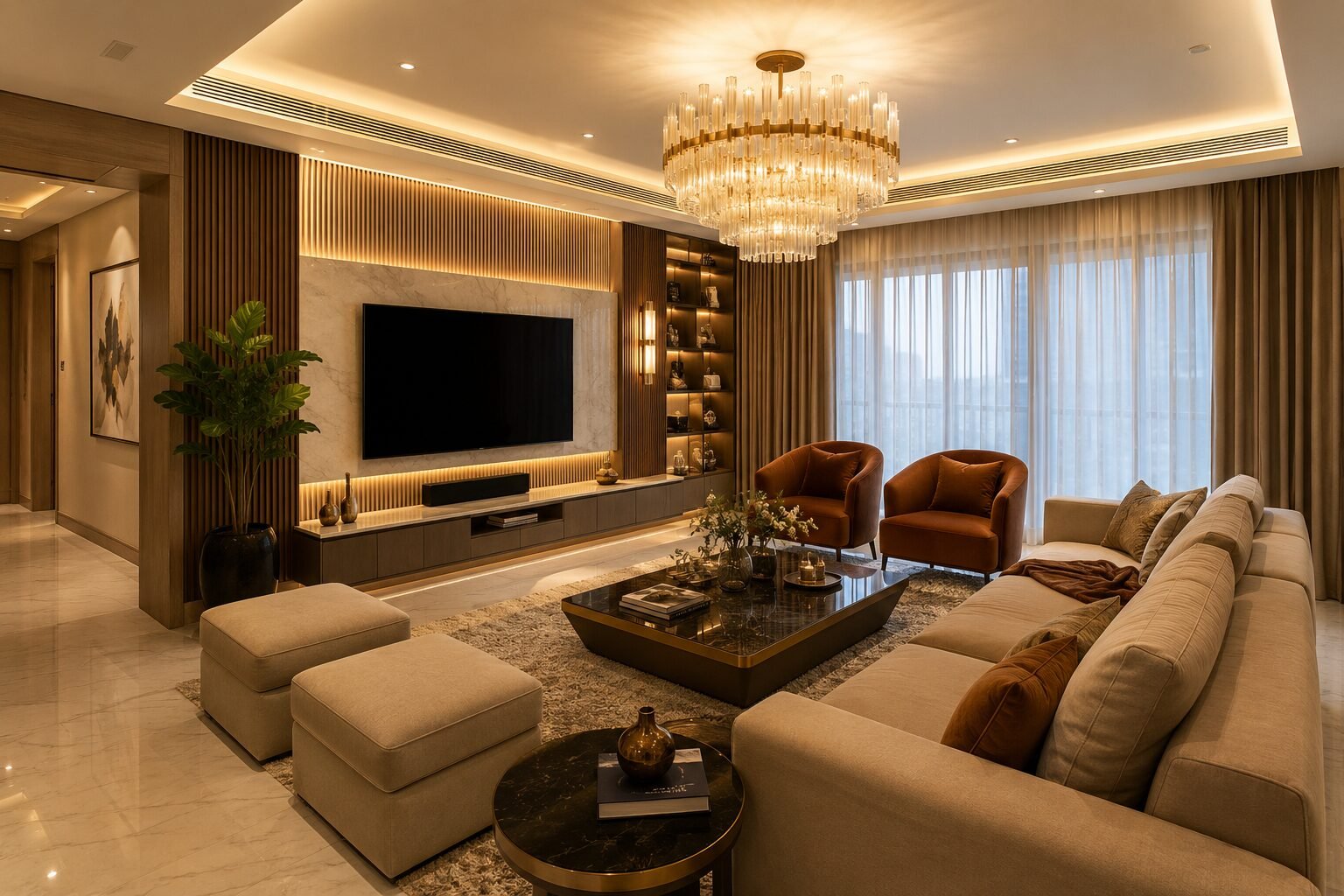
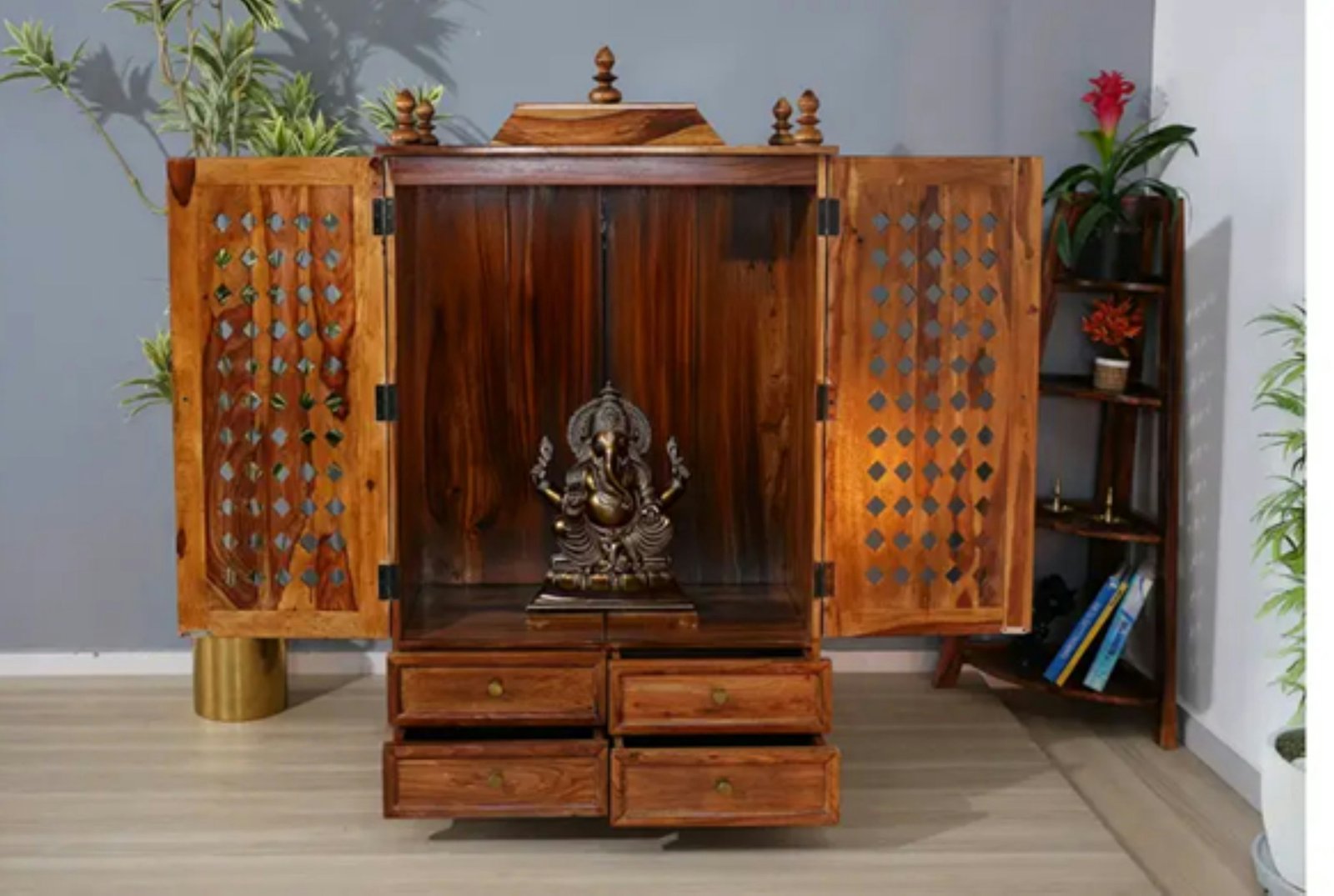
Also look at the surrounding furniture. If the mandir sits inside the living room, its finish should complement the rest of the interior rather than looking like an unrelated piece. For a warm contemporary home, natural wood, fluted panels, soft lighting and a restrained backdrop can work beautifully. Traditional homes may suit carved wood, jaali details, brass accents or a more ornamental ceiling.
- Measure the wall, niche or room before selecting the temple unit.
- Plan electrical points for concealed lighting and any required appliance.
- Keep enough counter space for daily पूजा items without overcrowding the shrine.
- Include closed storage for incense, cotton wicks, books and cleaning supplies.
- Choose finishes that are easy to wipe and maintain.
- Consider ventilation, especially if incense or lamps are used regularly.
1. Compact Wall-Mounted Mandir for Apartments
Wall-mounted mandirs are one of the easiest solutions for Gurgaon apartments where floor space is limited. Instead of taking up a full console or cabinet footprint, the temple can sit within a carefully designed wall panel.
A simple wooden frame with a back panel, small shelf and warm concealed light can create a strong focal point without making the room feel heavy. Add one or two drawers below if you need storage. The important part is proportion. A tiny wall should not carry an oversized temple, and a large wall should not be filled with a small floating shelf that looks lost.
2. Dedicated Pooja Room with a Door
If your home has enough space, a dedicated pooja room gives you greater control over privacy, lighting and storage. A glass, wooden or jaali door can visually separate the space without making it feel completely closed.
For a Gurgaon home, avoid treating the pooja room like a miniature showroom. It should still be comfortable to clean and use. Keep the central area clear, provide a suitable platform height and make sure the door swing does not interfere with the seating or temple unit.
3. Jaali Partitions for Open Living Areas
When there is no separate room, a jaali partition can create a sense of separation while allowing light to pass through. This works particularly well when the mandir is positioned near a living or dining area.
Wooden jaali, fluted panels and slim vertical screens can make the transition feel architectural rather than temporary. Keep the pattern restrained. A very dense pattern can collect dust and make a compact room look visually busy.
4. Choosing the Right Material
Material selection should balance appearance, heat resistance, cleaning and long-term durability. Natural or veneer-finished wood can create a warm traditional feel, while engineered boards with suitable finishes can be useful for contemporary units.
Stone or tile can work well as a backdrop or base because it is comparatively easy to clean. Brass can be introduced through small decorative elements rather than covering the entire unit. For a modern home, a combination of wood, light stone and muted wall colours often looks more timeless than several contrasting finishes.
- Wood or veneer: useful for warm, traditional and contemporary designs.
- Engineered boards: practical for custom cabinetry and concealed storage when properly finished.
- Stone: suitable for durable platforms and easy-clean surfaces.
- Glass: useful for doors and visual separation, especially in compact spaces.
- Brass: best used as an accent for a refined traditional look.
5. Lighting Makes a Bigger Difference Than Decoration
Lighting should make the shrine peaceful and functional, not theatrical. A warm concealed LED strip around the back panel or under a shelf can highlight the idol without creating harsh glare.
If the temple has a ceiling or niche, a small focused light can add depth. Avoid placing a strong spotlight directly at eye level. You also need practical illumination around the storage and floor area so cleaning and daily पूजा are comfortable.
Plan the wiring before the carpentry begins. Concealed electrical points are much easier to achieve during the design stage than after the finished panel has been installed.
6. Storage That Keeps the Mandir Clutter-Free
This is where many decorative mandirs fail. The visible shrine may look beautiful, but everyday items quickly accumulate around it. Incense boxes, matchboxes, cotton, oil, prayer books, spare diyas and cleaning cloths all need a home.
Use shallow drawers below the temple, a concealed cabinet on one side or a combination of open and closed shelving. Keep frequently used items within easy reach and less-used items behind closed shutters. If you have children at home, think carefully about where lamps, oil and fragile objects are stored.
7. Pooja Room Colours for a Calm Interior
You do not have to use bright colours to make a pooja space feel traditional. Off-white, ivory, warm beige, light wood, muted terracotta and soft stone shades can create a calm backdrop.
If the rest of your home already has a strong colour palette, let the pooja area connect with it. For example, a walnut-toned wood finish can work with darker furniture, while light oak or natural wood can suit a softer contemporary apartment.
8. Traditional Details Without Making the Space Heavy
Indian interiors offer plenty of beautiful details for a mandir, but restraint matters. A carved frame, brass bell, jaali panel, small arch or stone ledge can provide enough traditional character.
Instead of combining all of these elements, select one main feature and support it with simpler materials. This approach keeps the room elegant and makes maintenance easier.
9. Modern Pooja Room Design for Contemporary Homes
A contemporary mandir can be very simple. Think of a clean rectangular niche, a floating platform, vertical wood battens, soft backlighting and a few carefully selected decorative elements. The design should feel like part of the architecture rather than an extra cabinet attached to the wall.
For a premium Gurgaon apartment, you can also use a stone-look panel, textured laminate or fluted wood to create depth. Keep the number of materials limited so the shrine remains visually peaceful.
10. Pooja Room Ideas for Builder Floors
Builder floors usually give you more flexibility than compact apartments, but the planning needs to account for the home’s larger circulation paths. A dedicated niche near the living room, dining area or entrance can work if it does not obstruct movement.
If the floor has a double-height area or a large common room, resist the temptation to make the temple oversized. A proportionate design with a strong backdrop often looks more sophisticated than a very large structure.
11. Flooring, Platform Height and Cleaning
The area around the temple should be easy to clean. Smooth flooring and a well-finished platform reduce the number of places where dust and oil residue can collect.
Think about the daily routine. If family members sit on the floor, leave enough clear space in front of the shrine. If the design uses a raised platform, make sure it is comfortable to access and does not create an unnecessary trip hazard.
12. Ventilation and Safety Should Be Part of the Design
A pooja room is a working part of the home, not just a decorative corner. If your family uses oil lamps or incense, adequate ventilation matters. Do not place candles, diyas or other heat sources directly below flammable decorative materials.
Electrical wiring should be properly concealed and installed by a qualified electrician. Keep lighting fixtures and cables away from areas exposed to heat or oil. A well-designed mandir should look beautiful while remaining easy and safe to use every day.
13. How Much Does a Pooja Room Interior Cost in Gurgaon?
There is no single price because the scope can range from a simple wall-mounted unit to a fully finished prayer room. The biggest cost variables are size, material, storage, doors, lighting, stone work, decorative detailing and installation.
- A simple wall-mounted setup usually requires less carpentry and fewer materials.
- A custom unit with drawers, shutters and lighting increases the scope.
- A dedicated room can add costs for partitions, doors, ceiling treatment, electrical work and flooring.
- Premium veneer, natural stone, brass detailing and custom carving can raise the budget further.
Instead of choosing a design based only on an online price, ask for a detailed quotation that identifies the material, finish, hardware, lighting, installation and any civil or electrical work. This makes comparisons much more useful.
14. Common Pooja Room Design Mistakes to Avoid
- Making the shrine too large for the room.
- Ignoring storage and allowing everyday items to remain visible.
- Using too many decorative materials in one small area.
- Forgetting electrical planning until after carpentry is complete.
- Choosing difficult-to-clean textures around the prayer area.
- Blocking natural ventilation in a room where incense is used.
- Using harsh lighting that creates glare on the idol or surrounding surfaces.
- Ignoring circulation around the temple and making the space difficult to access.
A Practical Way to Design Your Pooja Space
The best starting point is not a catalogue of temple designs. Start with your home. Measure the available space, note how the family uses the shrine, decide how much storage is required and identify the electrical and lighting needs.
Then choose the visual direction. You might want a traditional wooden mandir, a contemporary floating unit, a jaali partition or a quiet stone-and-wood niche. Once the style is clear, materials and details become much easier to select.
If you are planning other areas at the same time, the pooja room should also connect with the overall interior scheme. For example, your living room design in Gurgaon and dining area can share wood tones, lighting temperatures and finishes so the mandir feels integrated into the home.
Frequently Asked Questions
Can a pooja room be created in a small Gurgaon apartment?
Yes. A wall-mounted mandir, shallow niche or compact partition can create a dedicated prayer area without taking up much floor space. The key is to control the depth and provide enough storage.
Which material is best for a pooja room?
There is no single best material. Wood and veneer work well for warmth, stone is useful for durable surfaces, and glass or jaali can provide separation. The right combination depends on the home’s style, maintenance needs and budget.
How can I keep a small mandir from looking cluttered?
Use closed drawers for everyday supplies, keep the visible shelf selective and avoid filling every available surface with decoration. Good lighting and a simple backdrop also make a compact shrine feel more spacious.
Is a separate pooja room better than a mandir in the living room?
Both can work. A separate room offers more privacy and allows dedicated storage, while a living-room mandir is often more practical in an apartment. The decision should come down to available space and how your family uses the area.
What should I discuss with an interior designer before starting?
Discuss the exact location, dimensions, storage requirements, materials, lighting, electrical points, ventilation, maintenance and the overall budget. Ask for material specifications and a clear scope before execution begins.
Final Thoughts
A thoughtfully designed pooja room should feel peaceful at first glance and practical after years of daily use. In Gurgaon homes, where every square foot matters, the strongest designs are not necessarily the biggest ones. They are the ones that fit the architecture, support the family’s routine and use materials and lighting with restraint.
Whether you are designing a compact apartment niche, a builder-floor mandir or a separate prayer room, plan the storage, lighting, ventilation and circulation alongside the aesthetics. That is what turns a decorative corner into a meaningful part of the home.


Related Posts
Kitchen Pantry Design in Gurgaon: Tall Units, Pull-Out Storage and Smart Space Planning
Home Library Design in Gurgaon: Built-In Shelves, Reading Corners and Smart Storage
Plywood vs MDF vs HDHMR for Home Interiors in Gurgaon: Which Material Should You Choose?
TV Unit Design Ideas in Gurgaon: Modern, Space-Saving and Practical Solutions
Staircase Design Ideas for Gurgaon Homes: Materials, Railings, Lighting and Storage
Foyer and Entrance Design Ideas in Gurgaon: Storage, Lighting and Space-Saving Tips
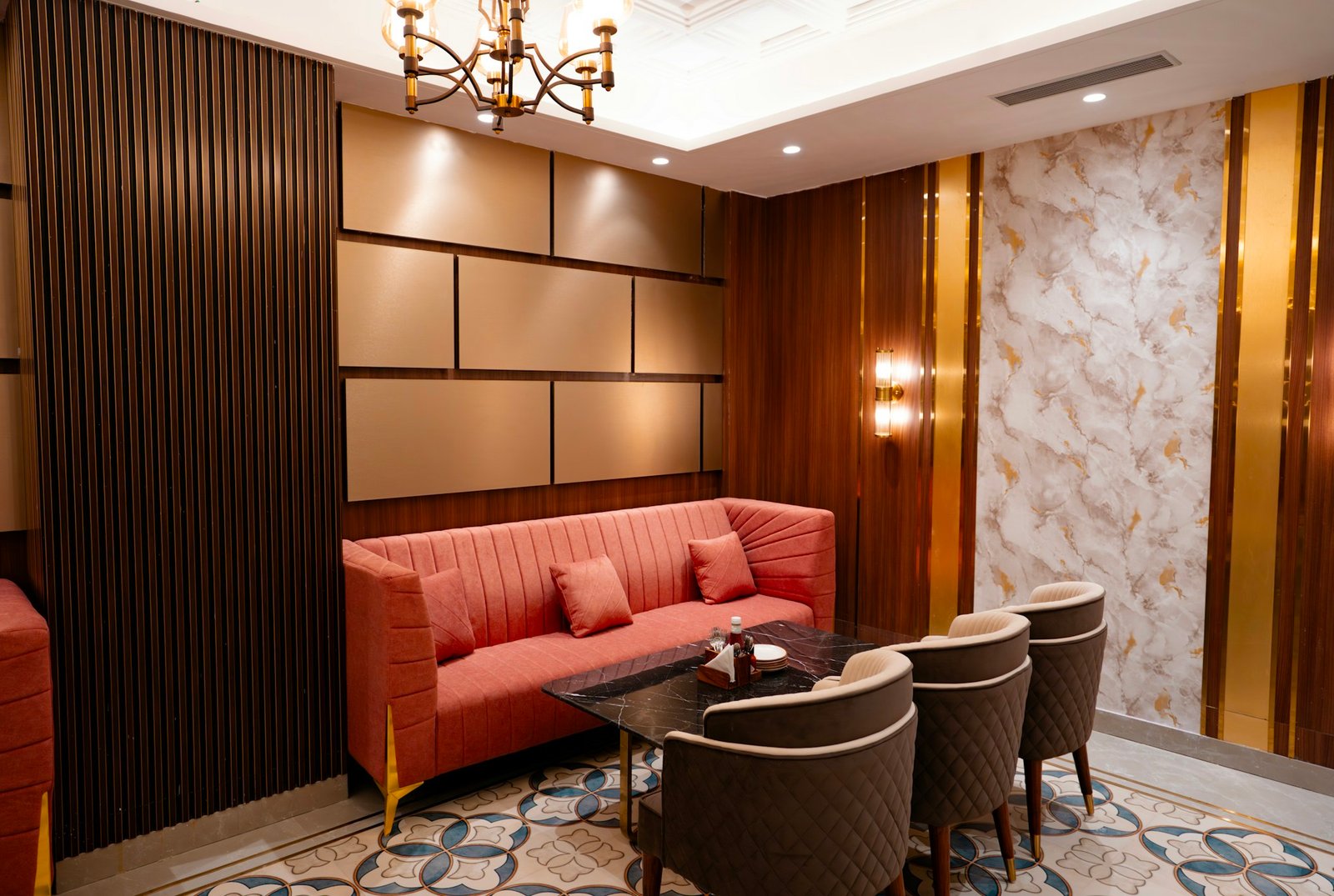
Dining Room Design Ideas in Gurgaon: Layout, Furniture, Lighting and Storage
Apartment Balcony Design Ideas in Gurgaon: Flooring, Plants, Privacy and Budget
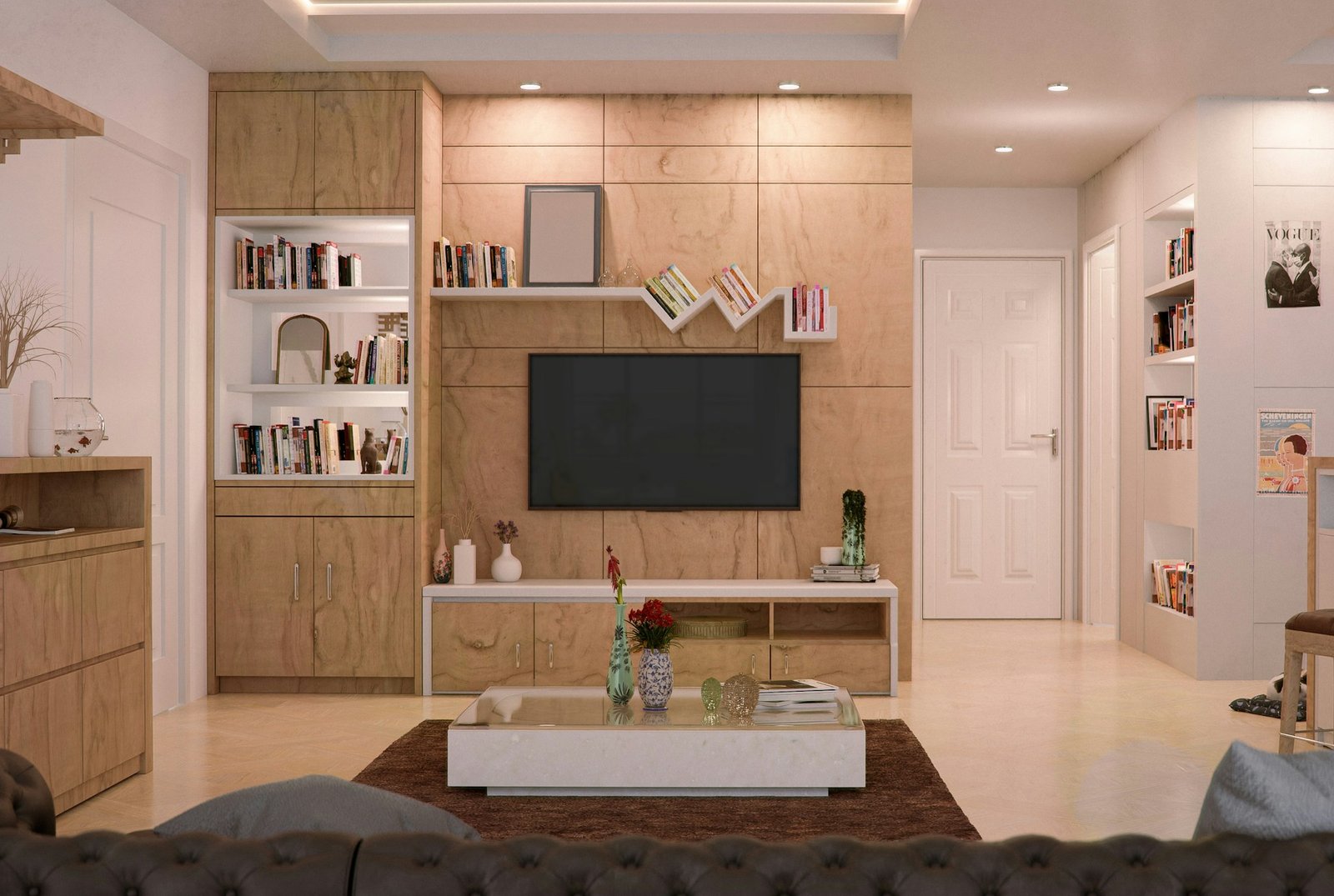
Senior-Friendly Home Interior Design in Gurgaon: A Practical Room-by-Room Guide
Home Renovation Checklist for Gurgaon: Before Work Starts to Handover
Kids’ Bedroom Interior Design in Gurgaon: Safe, Smart and Space-Saving Ideas
Bathroom Interior Design in Gurgaon: Tiles, Waterproofing, Storage and Cost
False Ceiling Design in Gurgaon: Types, Lighting, Costs and Practical Tips
Living Room Interior Design in Gurgaon: Layout, Lighting and Budget Tips
Builder Floor Interior Design Cost Gurgaon: Complete 2026 Budget Guide
Builder Floor Interior Design Ideas Gurgaon: Layout, Storage, Furniture & Cost Guide

Best Interior Designer in Gurgaon: 10 Companies to Compare in 2026
Bedroom Interior Design Ideas for Gurgaon Homes: Modern, Comfortable & Functional Spaces | 2026 Guide
Interior Designer in Sector 56 Gurgaon: A Practical Guide to Designing a Better Home
Interior Designer Near Golf Course Road Gurgaon: How to Choose the Right Studio
Home Renovation Company in South City Gurgaon: How to Plan a Smooth Remodel
Interior Design Services in Sushant Lok: Hire a Local Studio
Interior Designer in DLF Phase 1 Gurgaon: Local Projects & Process
Office Interior Design in Gurgaon for Startups & Small Teams: Cost Guide
Penthouse Interior Designer in Gurgaon: What to Expect from Consultation to Handover
Interior Design for Villas in Golf Course Extension: Process & Pricing
Modular Kitchen Designer in Gurgaon: Cost & Design Process
3 BHK Interior Design Package in Gurgaon: What’s Included, What’s Extra
Hire an Interior Designer in Gurgaon: A Practical Guide to Designing a Home You’ll Love
Beyond the Hype: What You Really Need to Know About Hiring Famous Interior Designers in Delhi
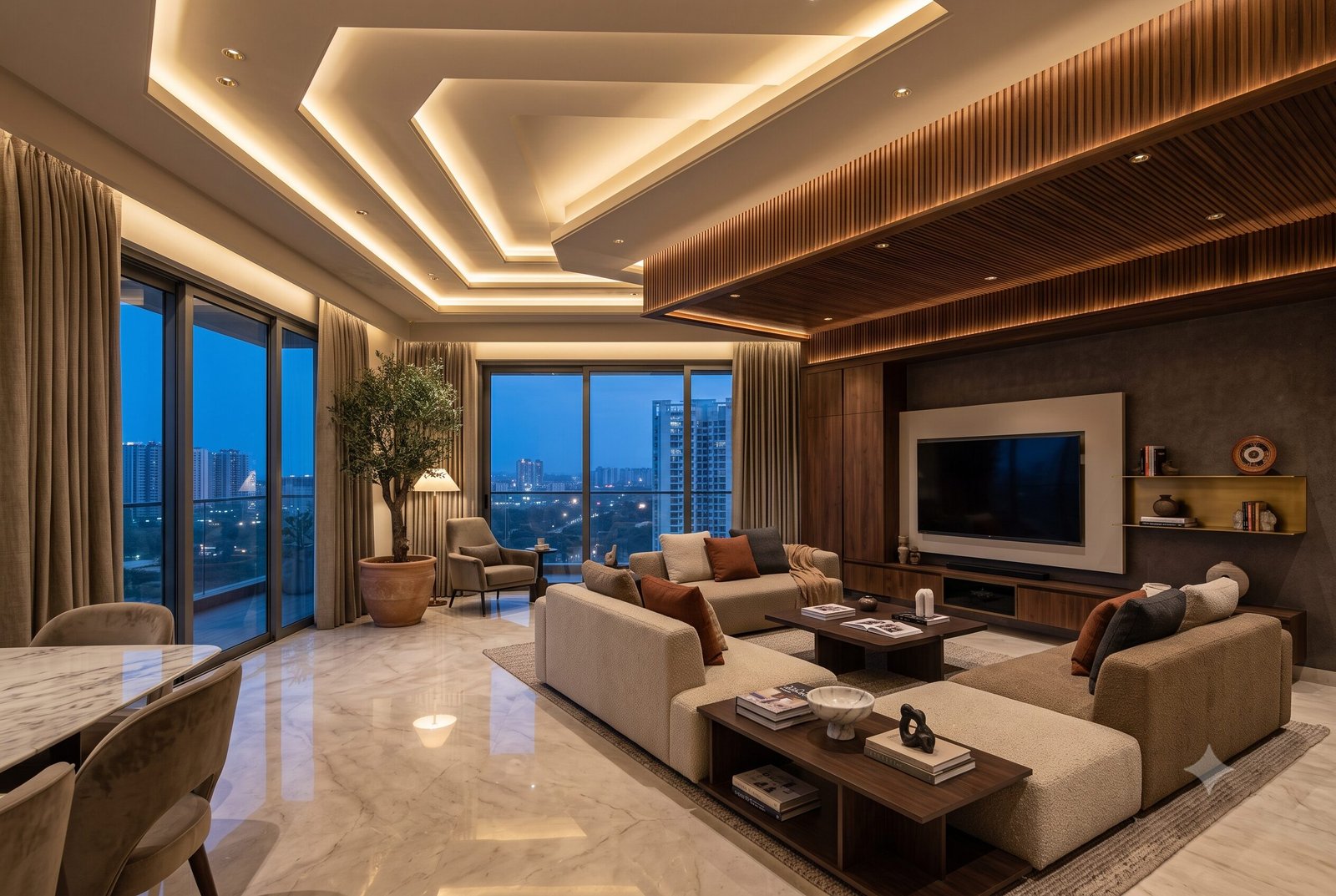
False Ceiling Design for Living Room: Luxury Ideas & Trends
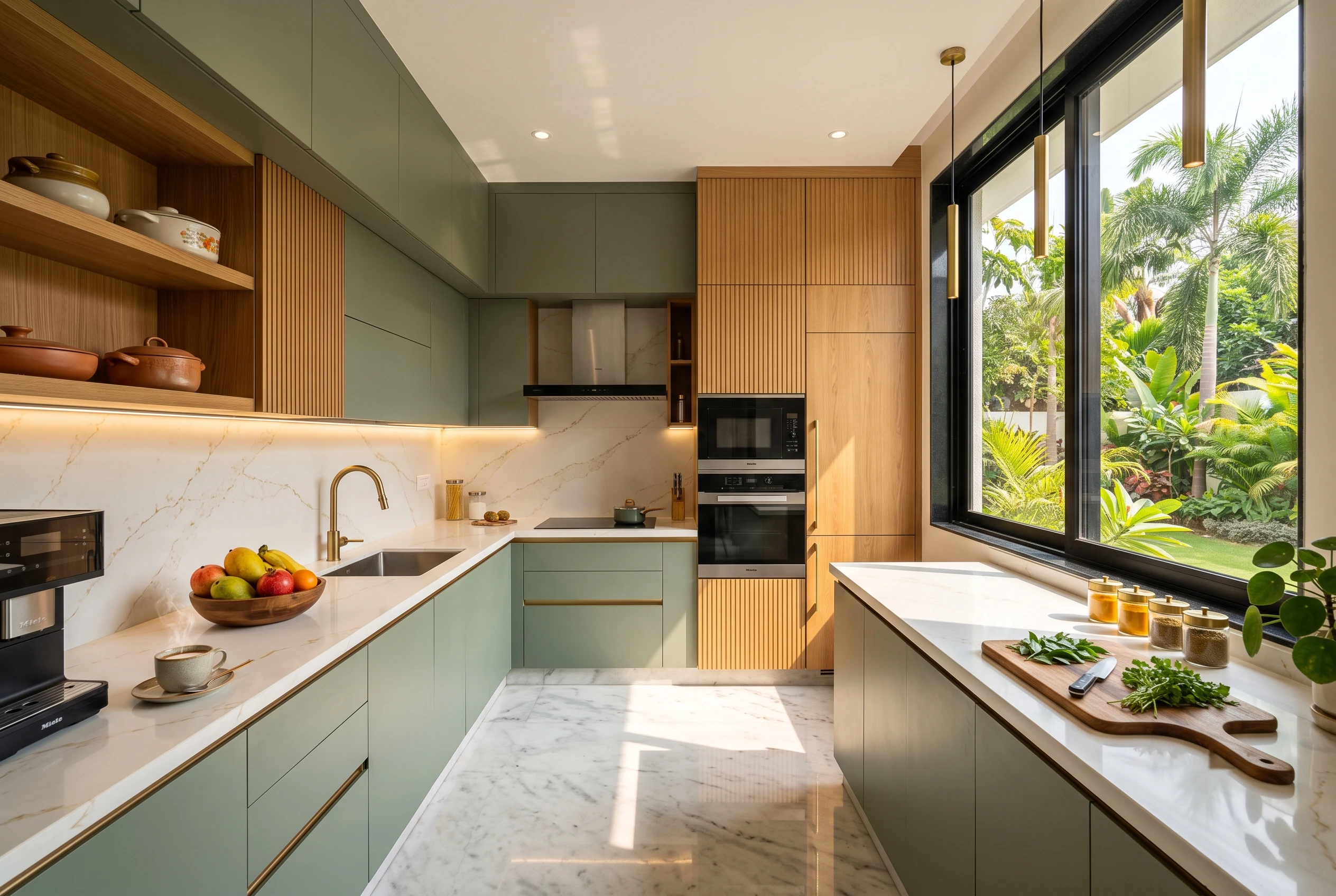
L-Shaped Modular Kitchen Design: Luxury & Efficiency
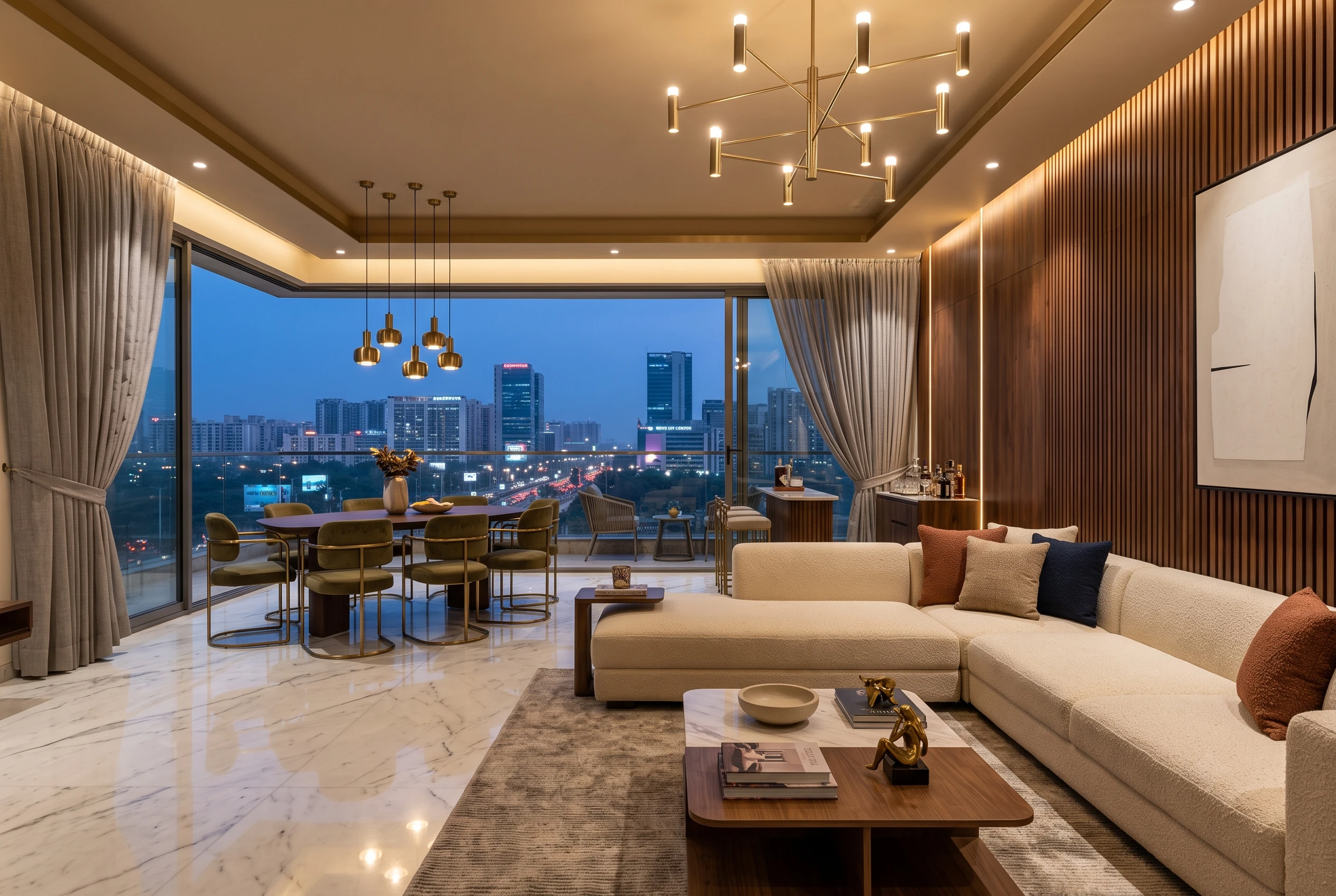
Top Luxury Interior Design Company in Noida
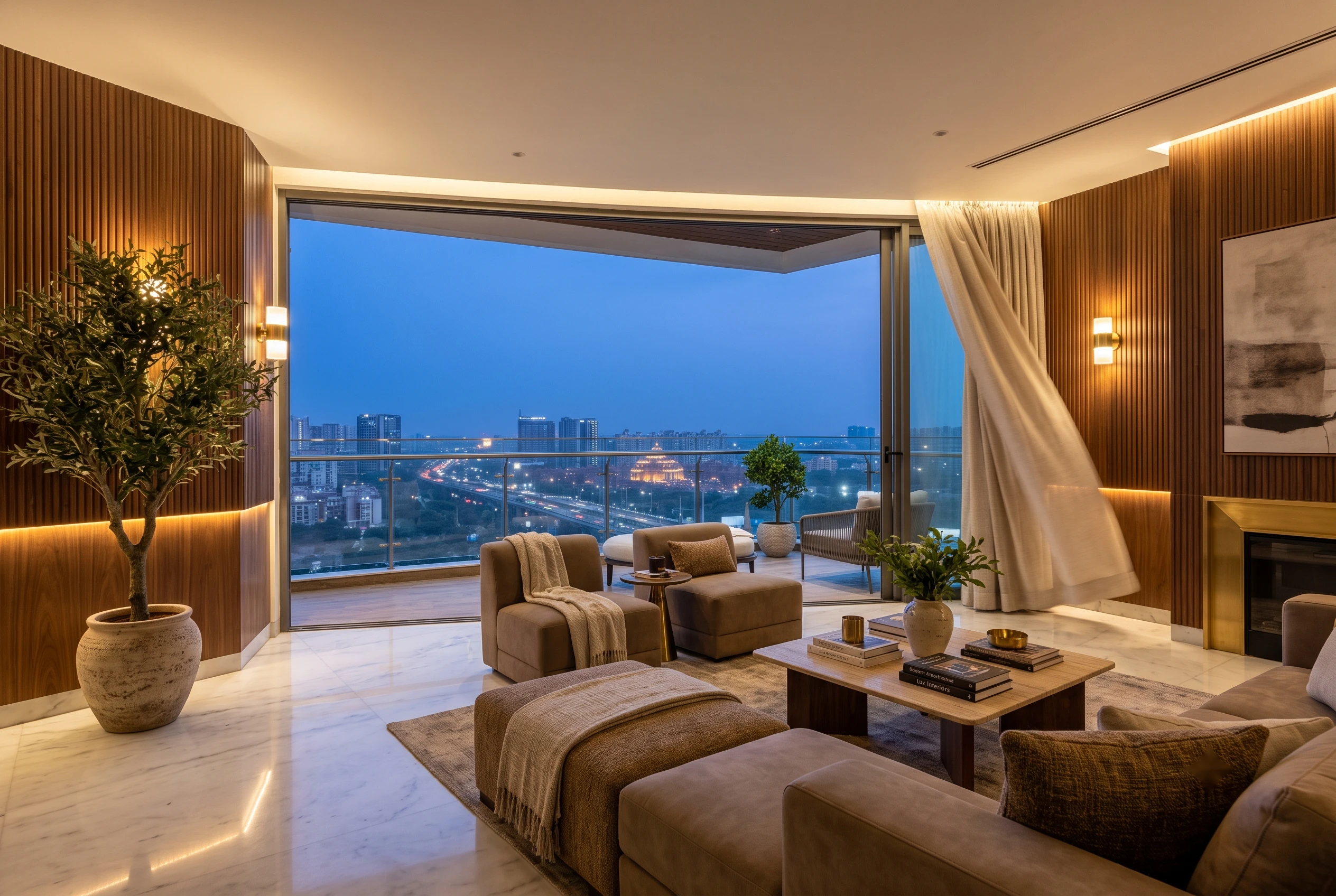
Top Interior Designer in Noida | Turn Your Home into a Luxury Sanctuary with Homeworkdesigns
Duplex Interior Design in South Delhi: GK & Panchsheel Case Notes
Interior Design Cost for GK1 & GK2 Builder Floors: A 2026 Pricing Guide
Renovating a Resale Flat in Gurgaon: What to Check Before You Move In
DLF Phase 3 vs DLF Phase 5: How Builder Floor Interiors Differ
Interior Design Cost for 4BHK Independent Floors in Gurgaon
Interior Designer vs Contractor: Who Should You Actually Hire?
Kitchen Renovation Cost in Gurgaon 2026: Modular vs.Custom, What’s Worth It?
Luxury Interior Designers in Gurgaon | Home & Office | Homework Designs
How to Design a Small 1BHK Apartment in Gurgaon: 11 Space-Saving Ideas
Top Interior Designer in DLF Phase 1 Gurgaon | 2026 Cost & Services
Renovating a Home in Palam Vihar Gurgaon Is About More Than Just Upgrading Interiors
Home Interior Designer Sohna Road Gurgaon: Designing Homes That Feel Luxurious, Functional, and Truly Personal
Interior Designer Golf Course Extension Road: Creating Luxury Homes That Feel Effortless
Home Renovation Sector 56 Gurgaon: Transforming Everyday Homes Into Elegant Living Spaces