Home Library Design in Gurgaon: Built-In Shelves, Reading Corners and Smart Storage
A home library does not need an entire room filled from floor to ceiling with books. In Gurgaon apartments, builder floors and larger independent homes, a well-designed library can be a compact reading corner, a full-height storage wall, a study-library combination or a built-in feature that makes an otherwise unused wall useful.
The key is to design the library around how you actually read, store and use books. Shelf depth, lighting, seating, ventilation, dust control and access matter just as much as the appearance of the bookcase. A beautiful library that is difficult to reach or poorly lit will quickly become decorative storage instead of a space you enjoy using.
What Makes a Good Home Library Design?
A successful home library balances three things: book storage, comfortable reading and easy maintenance. The shelves should fit the books you actually own, the reading area should have useful light and comfortable seating, and the furniture should not make the room feel crowded.
For Gurgaon homes, this also means considering dust, sunlight, air-conditioning, room proportions and the amount of storage already available elsewhere in the house. A library should add function without taking over the room.
1. Full-Height Built-In Bookshelves
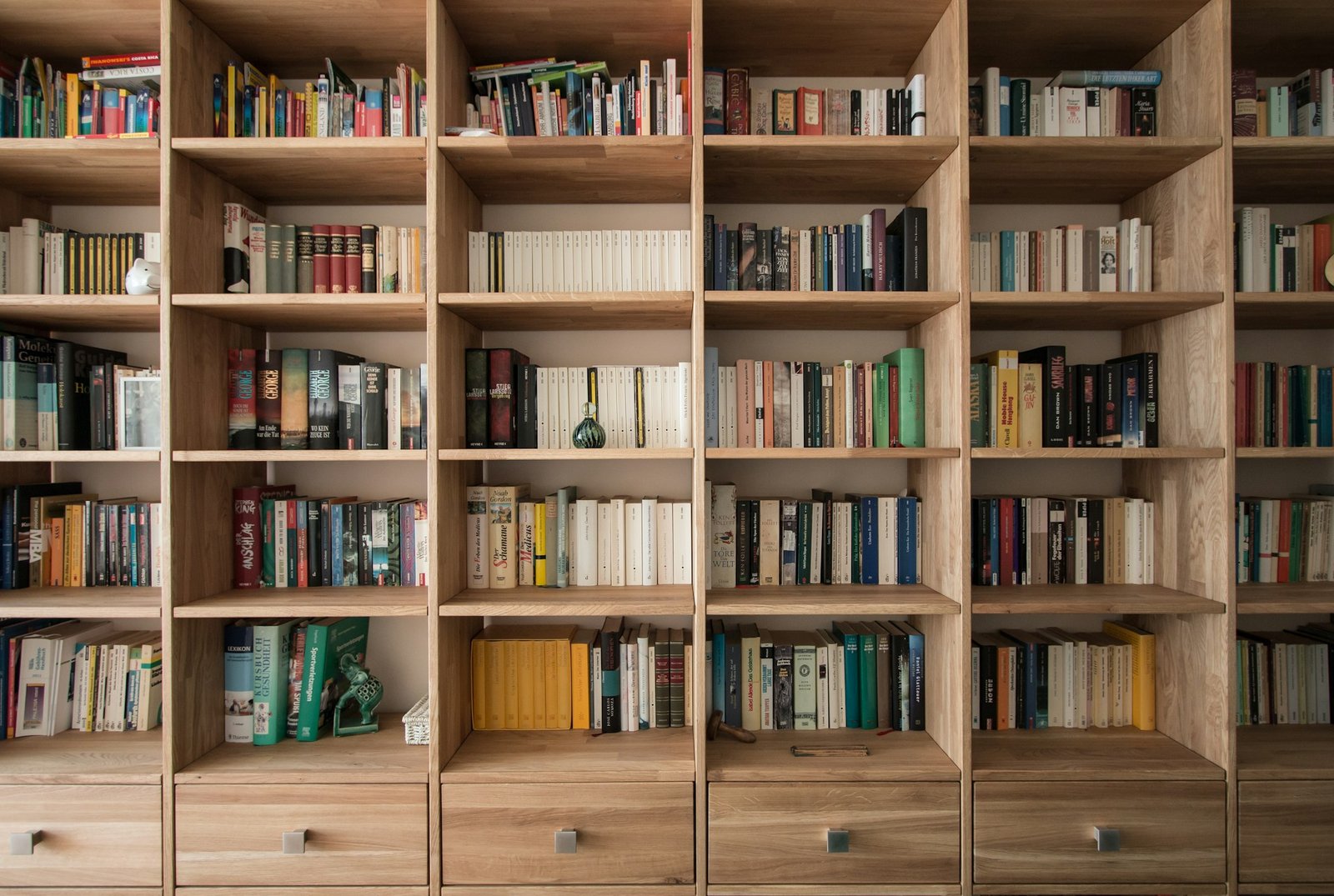
A floor-to-ceiling bookcase is one of the most efficient ways to create a dedicated library wall. It uses vertical space instead of increasing the furniture footprint and can visually make a room feel more intentional.
Full-height storage works particularly well in living rooms, studies, passages and bedrooms with a long blank wall. Closed cabinets at the bottom can store documents, electronics and less attractive items, while open shelves above can hold books and display pieces.
- Use adjustable shelves where possible.
- Combine open shelves with lower closed storage.
- Keep heavier books on appropriately supported shelves.
- Plan access to upper shelves before making the unit too tall.
- Coordinate the bookcase finish with the rest of the room.
2. Compact Reading Corner
If you do not have a spare room, a reading corner can deliver most of the experience without a major renovation. A comfortable chair, a small side table, a floor lamp and a vertical bookshelf can turn an unused corner into a useful personal space.
In an apartment, look for areas beside a window, next to a bedroom wardrobe, at the end of a living room or along a wider passage. The goal is not to fill every available wall. It is to create one comfortable place where the furniture and lighting support reading.
3. Home Library and Study Combination
Combining a study desk with book storage is often the most practical solution for modern homes. A continuous built-in unit can include a work surface, overhead shelves, drawers and closed cabinets without requiring a separate study room.
This layout works especially well for people who work from home and want books within reach. Keep the desk area visually lighter than the storage wall so the room does not feel like a commercial office.
4. Library Wall in the Living Room
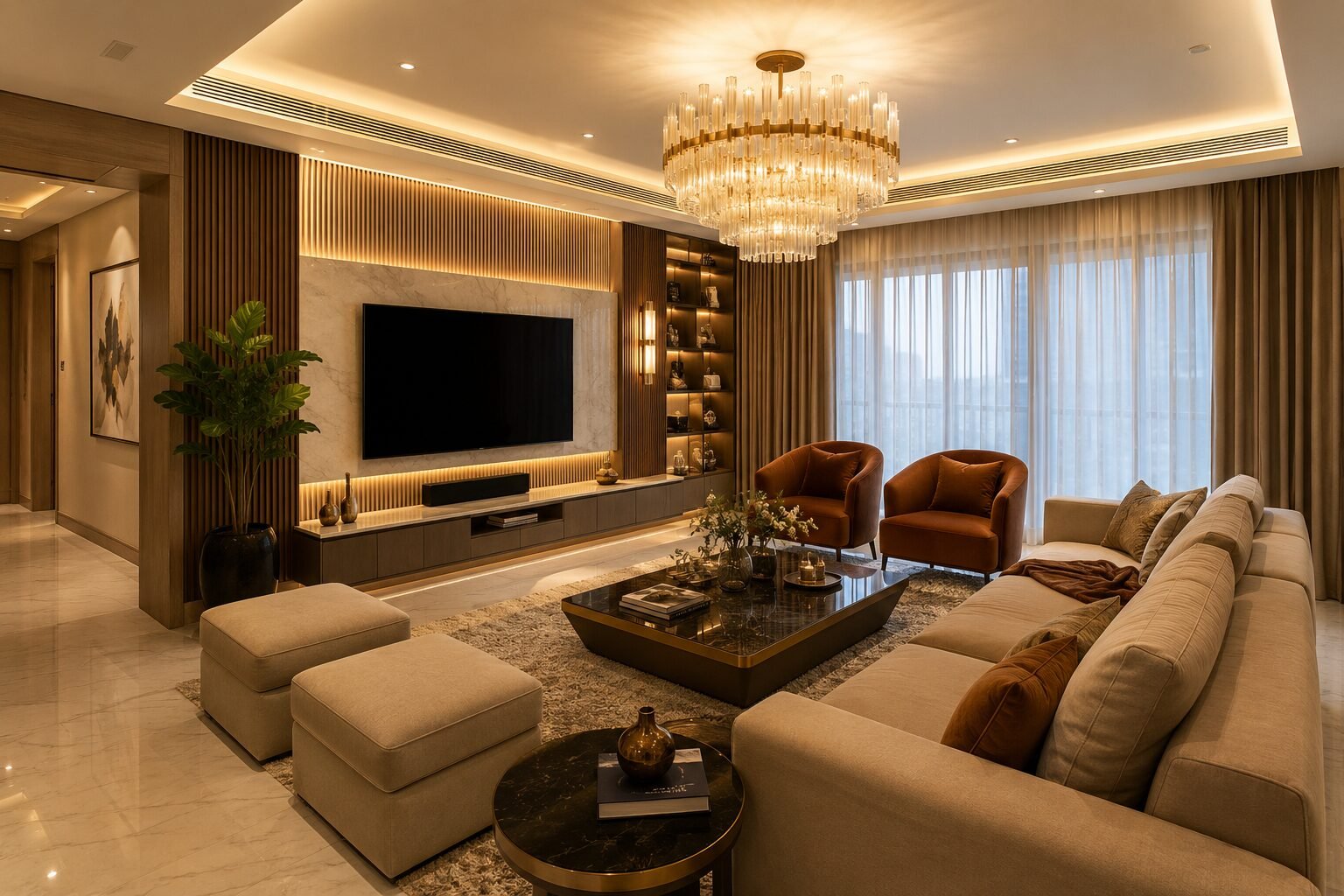
A living room library can become a strong architectural feature. Instead of treating bookshelves as an afterthought, integrate them with the room’s overall furniture plan. The shelves can frame a sofa, sit beside the TV unit or occupy a complete feature wall.
Because the living room is a shared space, include a mixture of books, objects and closed storage. Leaving a little breathing room between groups of books helps the unit feel designed rather than overloaded.
5. Window-Side Reading Nook
A window-side reading nook can make use of natural light while giving an otherwise underused area a clear purpose. A built-in bench with drawers underneath can provide seating and additional storage at the same time.
Direct sunlight needs attention, though. Books and finishes can be affected by prolonged exposure, so blinds, curtains or appropriate solar control may be useful depending on the orientation and glazing.
6. Small Library Under the Staircase
The space under a staircase can be a natural location for a compact library. Custom shelves can follow the staircase profile, creating storage without taking over a full wall.
This approach is especially useful in duplex homes and builder floors where every square metre needs to work harder. Keep the design accessible and avoid creating deep shelves that become difficult to clean or reach.
Choosing the Right Shelf Depth
Deeper shelves are not automatically better. Excess depth can make books harder to reach and can create unnecessary visual bulk. Standard books can often be accommodated with relatively shallow shelving, while larger art books and oversized volumes need more room.
Before finalising the furniture, measure the largest books you own. If the library is being built for a serious collection, group books by size and plan different shelf heights instead of forcing every compartment to be identical.
Open Shelves vs Closed Cabinets
Open shelving makes books visible and keeps them easy to access, but it also collects more dust. Closed cabinets provide cleaner visual lines and protect items, although they are less convenient for a collection you use every day.
A combination is usually the most practical approach. Use open shelves for frequently used books and display pieces, then add lower cabinets or selected closed sections for documents, electronics and items that do not need to remain visible.
Lighting for a Home Library
Good lighting is essential. A library should not rely only on a decorative ceiling light because the reader may end up sitting in their own shadow.
- Use ambient lighting to illuminate the room.
- Add focused reading light near the chair or desk.
- Consider integrated shelf lighting for display and visibility.
- Avoid harsh glare directly on glossy book covers or screens.
- Plan switches and controls so the reading area is easy to operate.
Warm or neutral lighting can make a reading space feel comfortable, while the exact colour temperature should also work with the room’s finishes and other lighting sources.
Storage Beyond Books
A home library often becomes more useful when it stores more than books. Drawers can hold stationery, chargers and personal items. Closed cabinets can hide files and electronics. A desk can support work or study, while a bench can provide both seating and storage.
The important thing is to separate visible display from everyday clutter. When every compartment is expected to store something, the library can quickly become visually heavy.
Materials and Finishes for Gurgaon Homes
Bookcases can be built using different board materials and finished with laminates, veneer, paint or other surface treatments. The best choice depends on the design, load requirements, finish and budget.
For a large library, pay particular attention to shelf thickness, support spacing and fixing details. Books are heavier than many decorative objects, and long unsupported shelves can sag over time if the construction is not properly designed.
Colour Ideas for a Home Library
A library does not have to be dark and traditional. Light wood, warm neutrals, muted painted finishes and contrasting shelf interiors can create a contemporary look. Darker finishes can make a library feel richer, but they need adequate lighting and should be balanced with lighter surfaces where the room is small.
If the shelves are large, consider treating the entire unit as part of the room’s architecture rather than choosing a completely separate furniture colour. This creates a more cohesive interior.
How to Design a Library in a Small Gurgaon Apartment
- Use one tall wall instead of multiple small bookcases.
- Combine the library with a study desk or TV storage where appropriate.
- Use lower closed cabinets to hide clutter.
- Choose a compact chair rather than oversized lounge furniture.
- Use wall-mounted or integrated lighting to save floor space.
- Keep shelf depth controlled so circulation paths remain clear.
- Use vertical storage to take advantage of ceiling height.
Home Library Ideas for Builder Floors and Larger Homes
Builder floors and larger independent homes provide more flexibility. A dedicated study-library room can include full-height shelving, a central desk, comfortable seating and concealed storage. Duplex homes can also use stair landings and upper-level corridors for smaller reading zones.
When the collection is large, divide the storage into zones. Frequently used books should be easy to reach, archival material can go into closed cabinets, and decorative objects can occupy selected open compartments.
Common Home Library Design Mistakes
- Making shelves too deep for the books they need to hold.
- Ignoring the weight of books when designing long shelves.
- Using only decorative lighting and forgetting reading light.
- Filling every shelf without leaving visual breathing space.
- Creating a large bookcase without enough closed storage for clutter.
- Ignoring direct sunlight and heat around windows.
- Making upper shelves difficult to access or clean.
- Designing the furniture before measuring the actual book collection.
A Practical Planning Checklist
- Measure the wall and available floor area.
- Count and measure the current book collection.
- Decide whether the library will be open, closed or mixed storage.
- Plan seating and desk requirements.
- Check natural light and direct sunlight.
- Plan reading, ambient and shelf lighting.
- Specify board material, thickness and finish.
- Allow for shelf support based on expected book weight.
- Include ventilation and easy-clean surfaces.
- Leave some capacity for future books.
Final Takeaway
The best home library design in Gurgaon is not necessarily the largest one. It is the one that makes your books easy to access, gives you a comfortable place to read and fits naturally into the way your home is used.
For an apartment, that might mean a single built-in wall with a reading chair. For a builder floor, it could be a dedicated study-library. For a duplex, the staircase or landing may become the perfect location. With thoughtful storage, lighting, materials and proportions, even an unused corner can become one of the most useful spaces in the home.
Homework Design Studio can plan home libraries as part of a wider residential interior, coordinating storage, lighting, furniture and finishes with the rest of the home rather than treating the bookcase as an isolated piece.
Related Posts
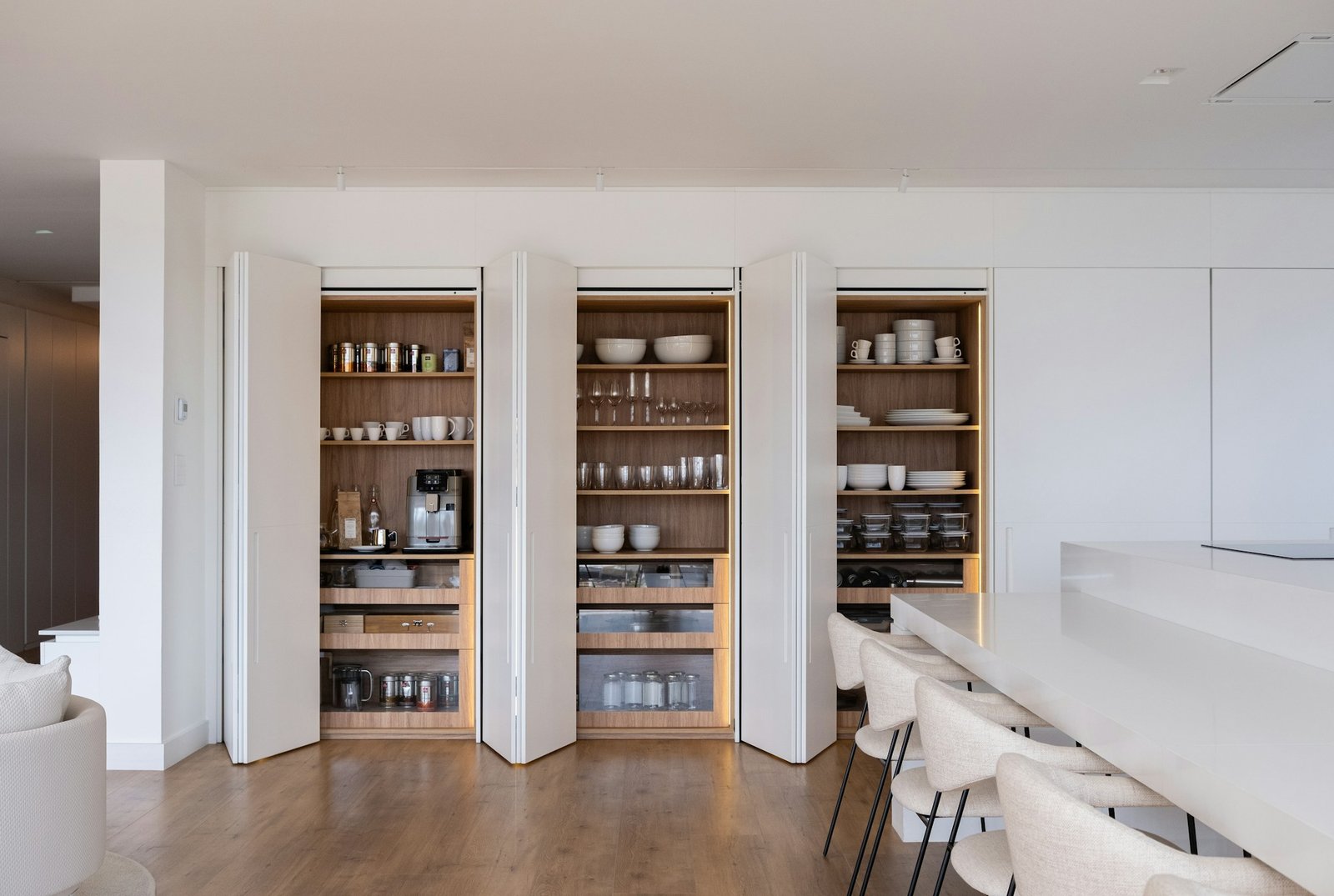
Kitchen Pantry Design in Gurgaon: Tall Units, Pull-Out Storage and Smart Space Planning
Plywood vs MDF vs HDHMR for Home Interiors in Gurgaon: Which Material Should You Choose?
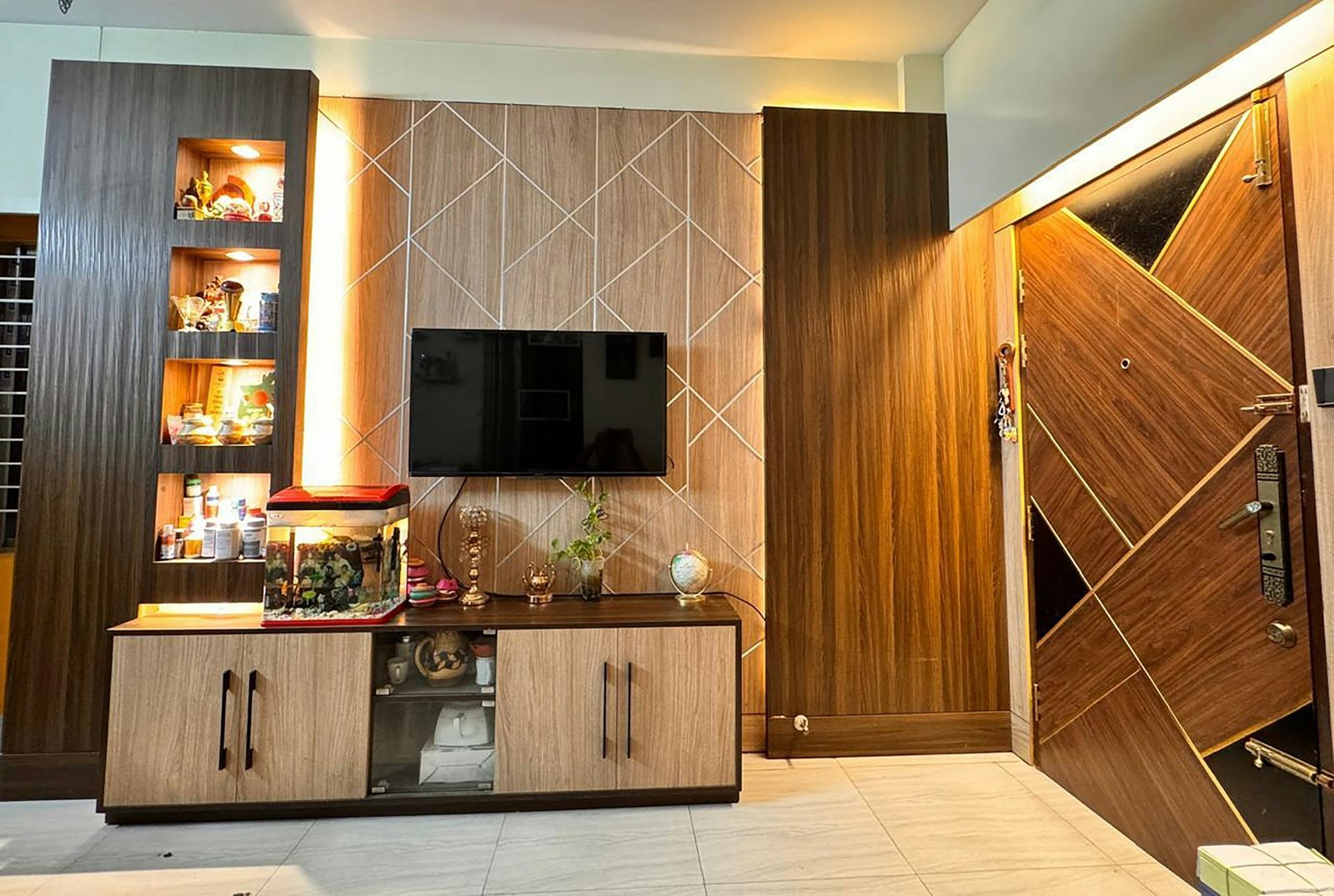
TV Unit Design Ideas in Gurgaon: Modern, Space-Saving and Practical Solutions
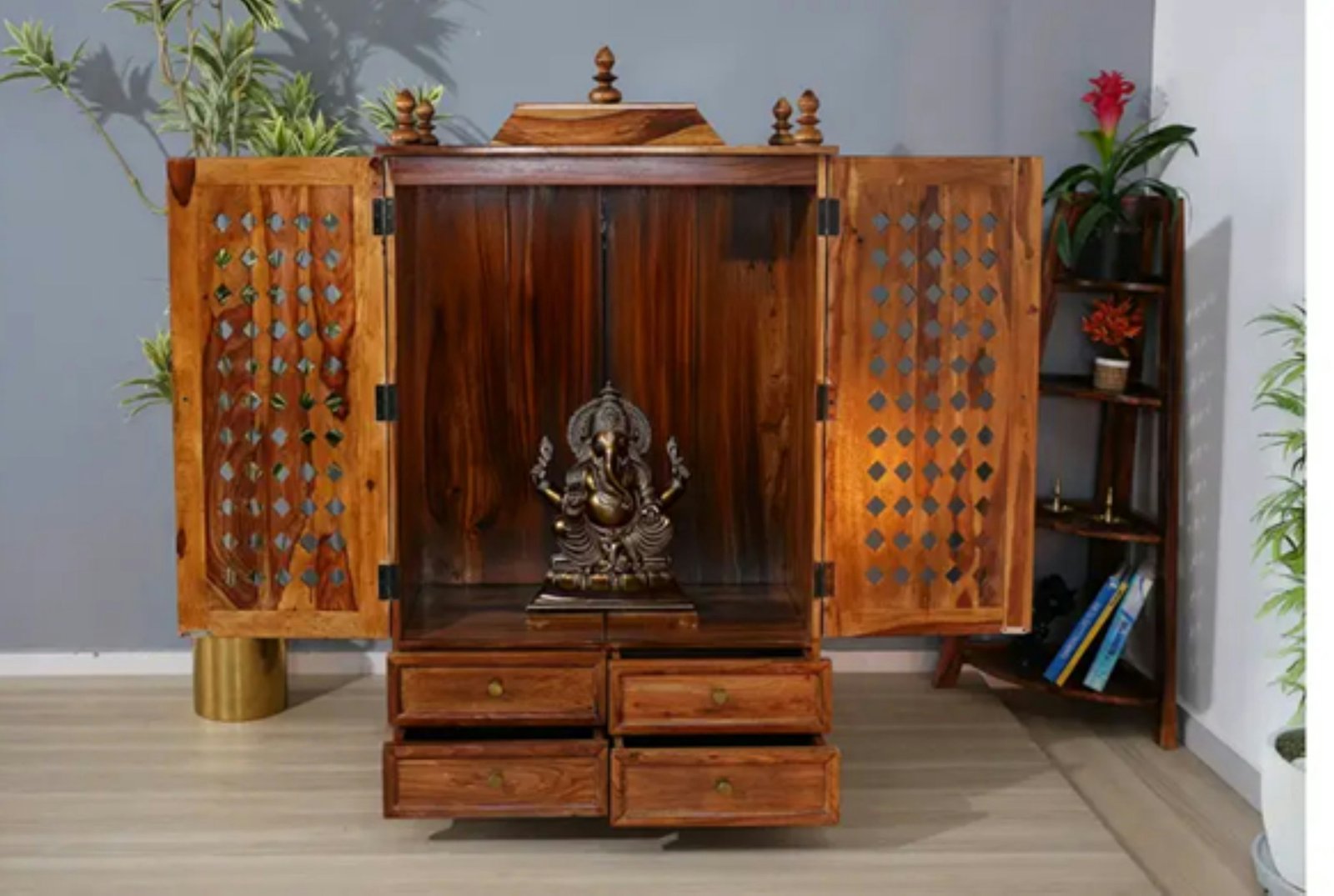
Pooja Room Interior Design in Gurgaon: Practical Ideas for Apartments and Builder Floors
Staircase Design Ideas for Gurgaon Homes: Materials, Railings, Lighting and Storage
Foyer and Entrance Design Ideas in Gurgaon: Storage, Lighting and Space-Saving Tips
Dining Room Design Ideas in Gurgaon: Layout, Furniture, Lighting and Storage

Apartment Balcony Design Ideas in Gurgaon: Flooring, Plants, Privacy and Budget
Senior-Friendly Home Interior Design in Gurgaon: A Practical Room-by-Room Guide
Home Renovation Checklist for Gurgaon: Before Work Starts to Handover
Kids’ Bedroom Interior Design in Gurgaon: Safe, Smart and Space-Saving Ideas
Bathroom Interior Design in Gurgaon: Tiles, Waterproofing, Storage and Cost
False Ceiling Design in Gurgaon: Types, Lighting, Costs and Practical Tips
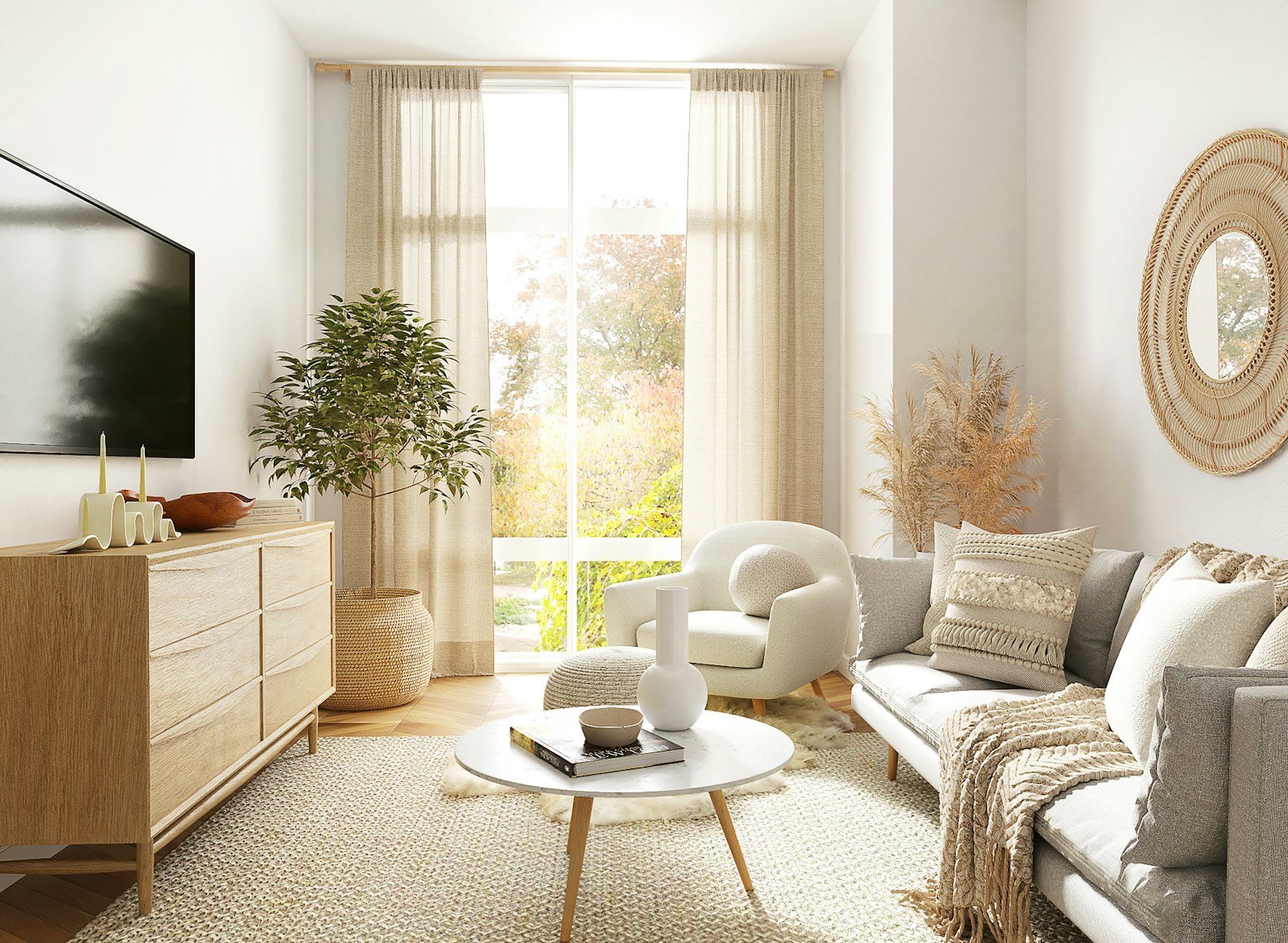
Living Room Interior Design in Gurgaon: Layout, Lighting and Budget Tips
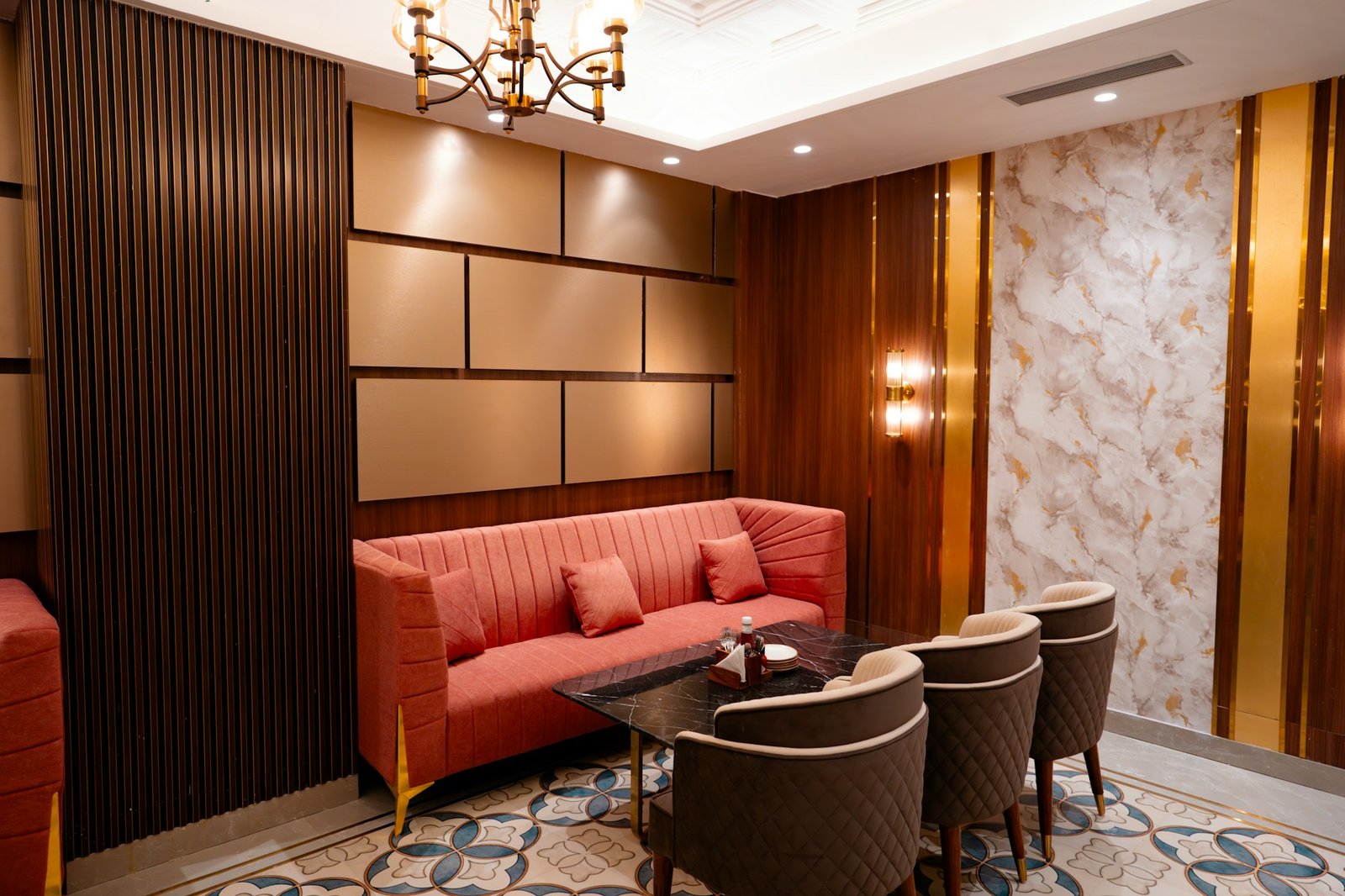
Builder Floor Interior Design Cost Gurgaon: Complete 2026 Budget Guide
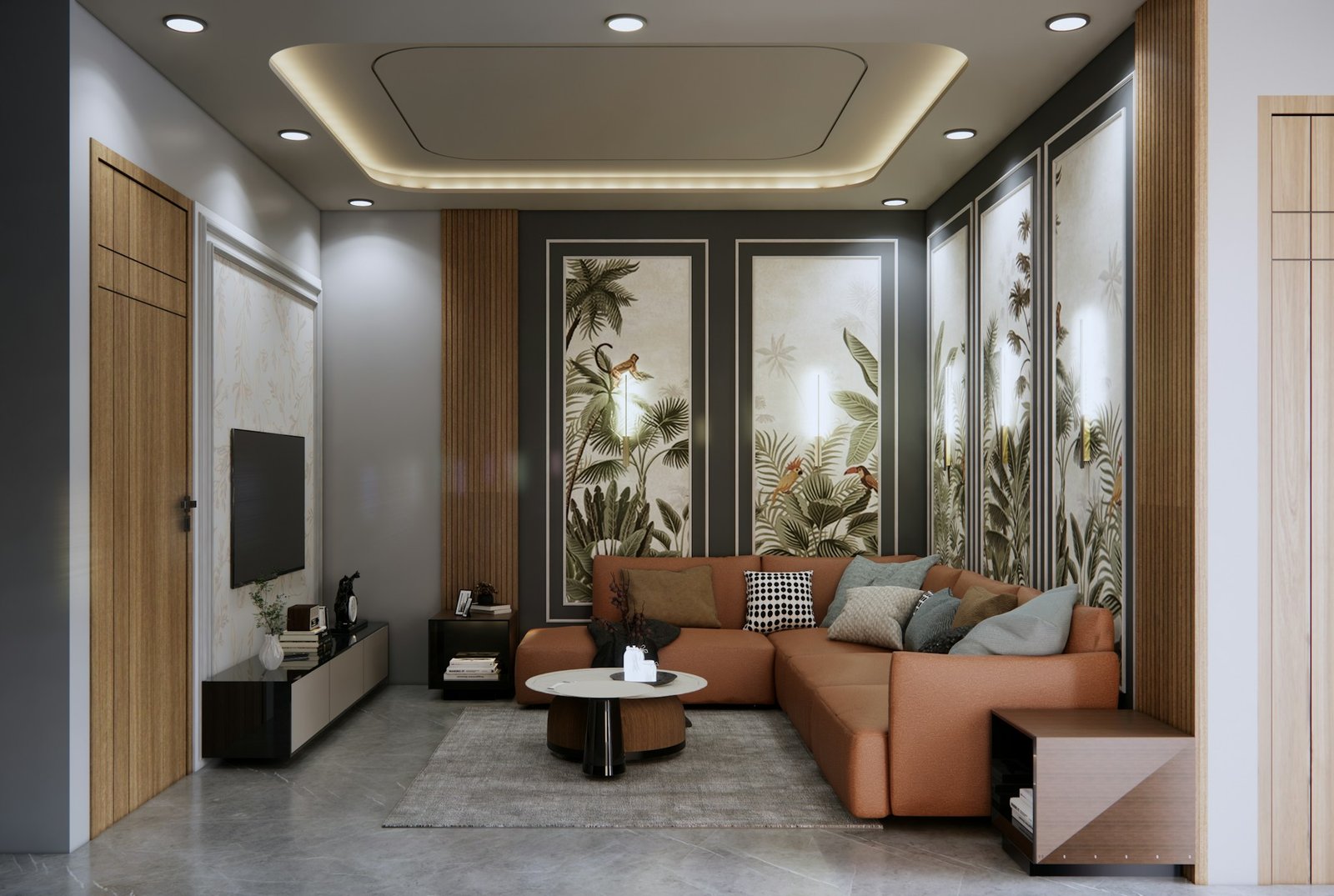
Builder Floor Interior Design Ideas Gurgaon: Layout, Storage, Furniture & Cost Guide
Best Interior Designer in Gurgaon: 10 Companies to Compare in 2026
Bedroom Interior Design Ideas for Gurgaon Homes: Modern, Comfortable & Functional Spaces | 2026 Guide
Interior Designer in Sector 56 Gurgaon: A Practical Guide to Designing a Better Home
Interior Designer Near Golf Course Road Gurgaon: How to Choose the Right Studio
Home Renovation Company in South City Gurgaon: How to Plan a Smooth Remodel
Interior Design Services in Sushant Lok: Hire a Local Studio
Interior Designer in DLF Phase 1 Gurgaon: Local Projects & Process
Office Interior Design in Gurgaon for Startups & Small Teams: Cost Guide
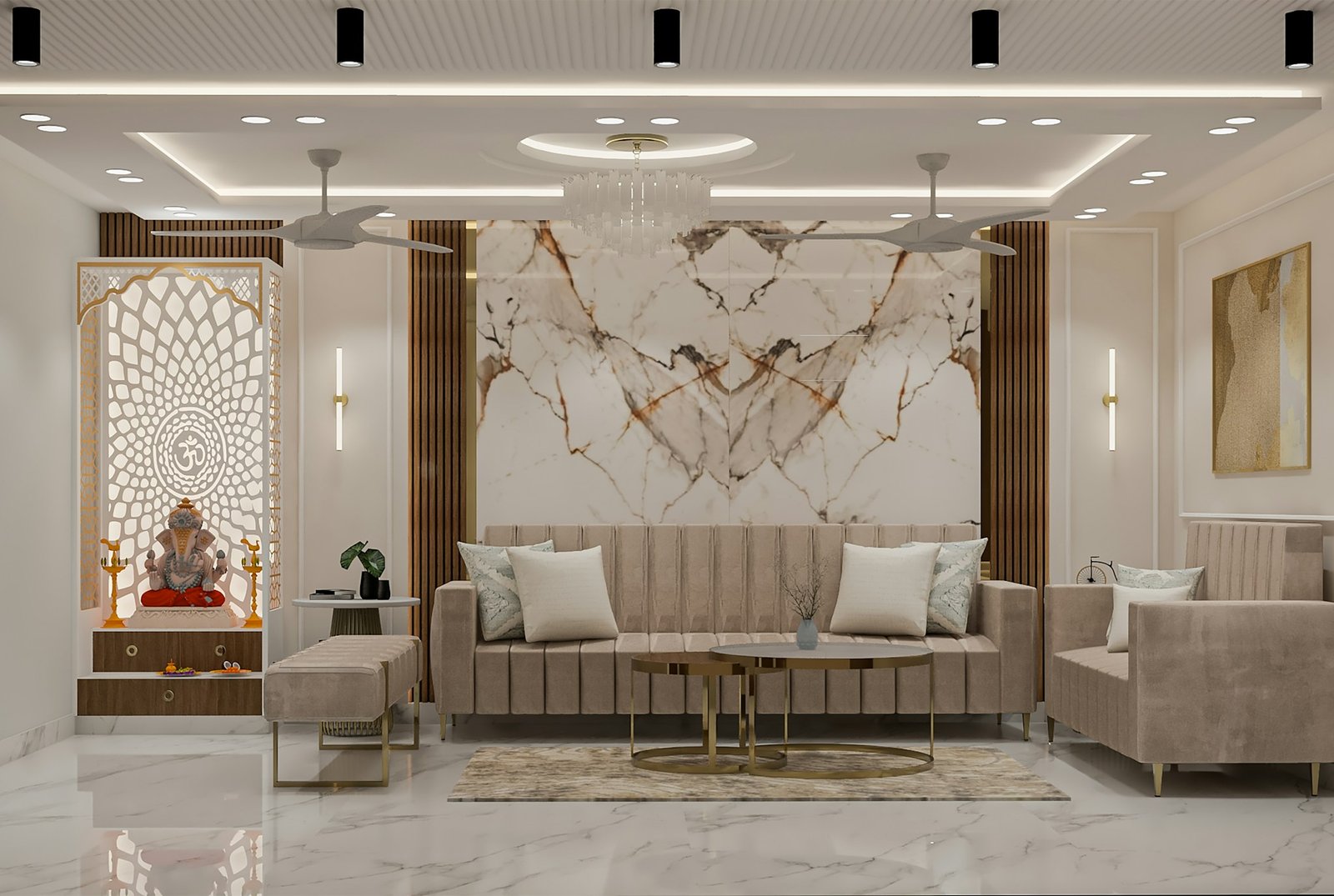
Penthouse Interior Designer in Gurgaon: What to Expect from Consultation to Handover
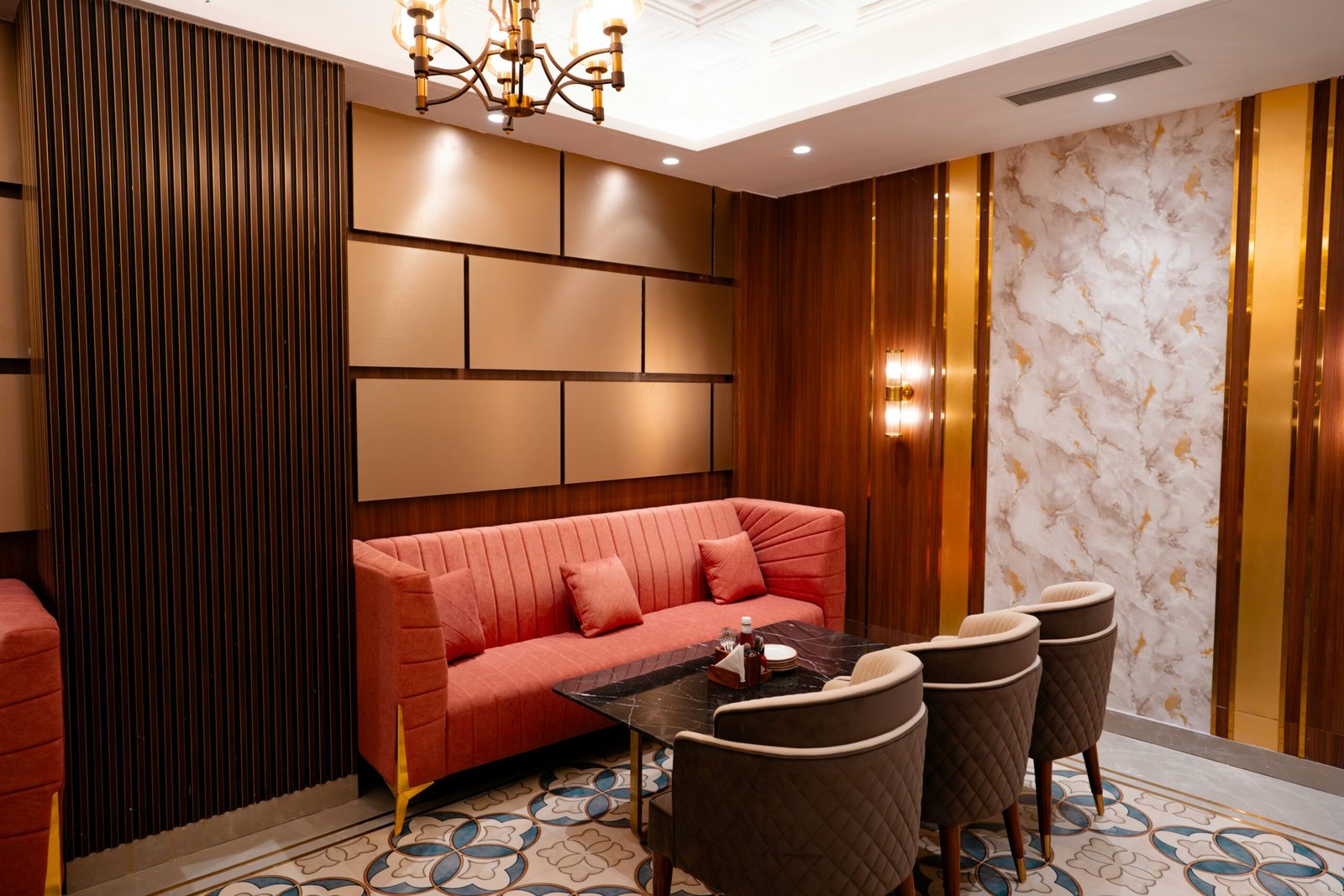
Interior Design for Villas in Golf Course Extension: Process & Pricing
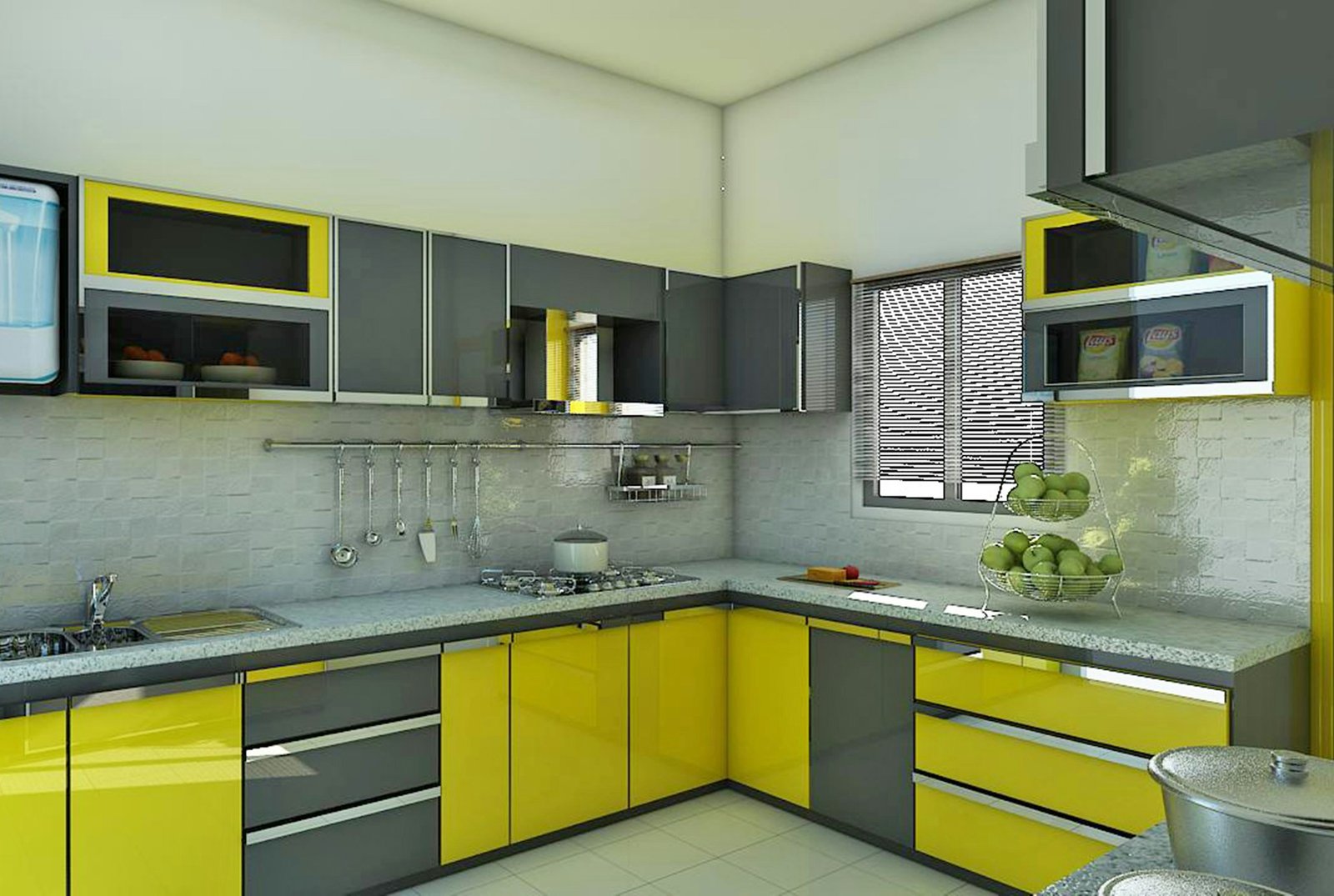
Modular Kitchen Designer in Gurgaon: Cost & Design Process
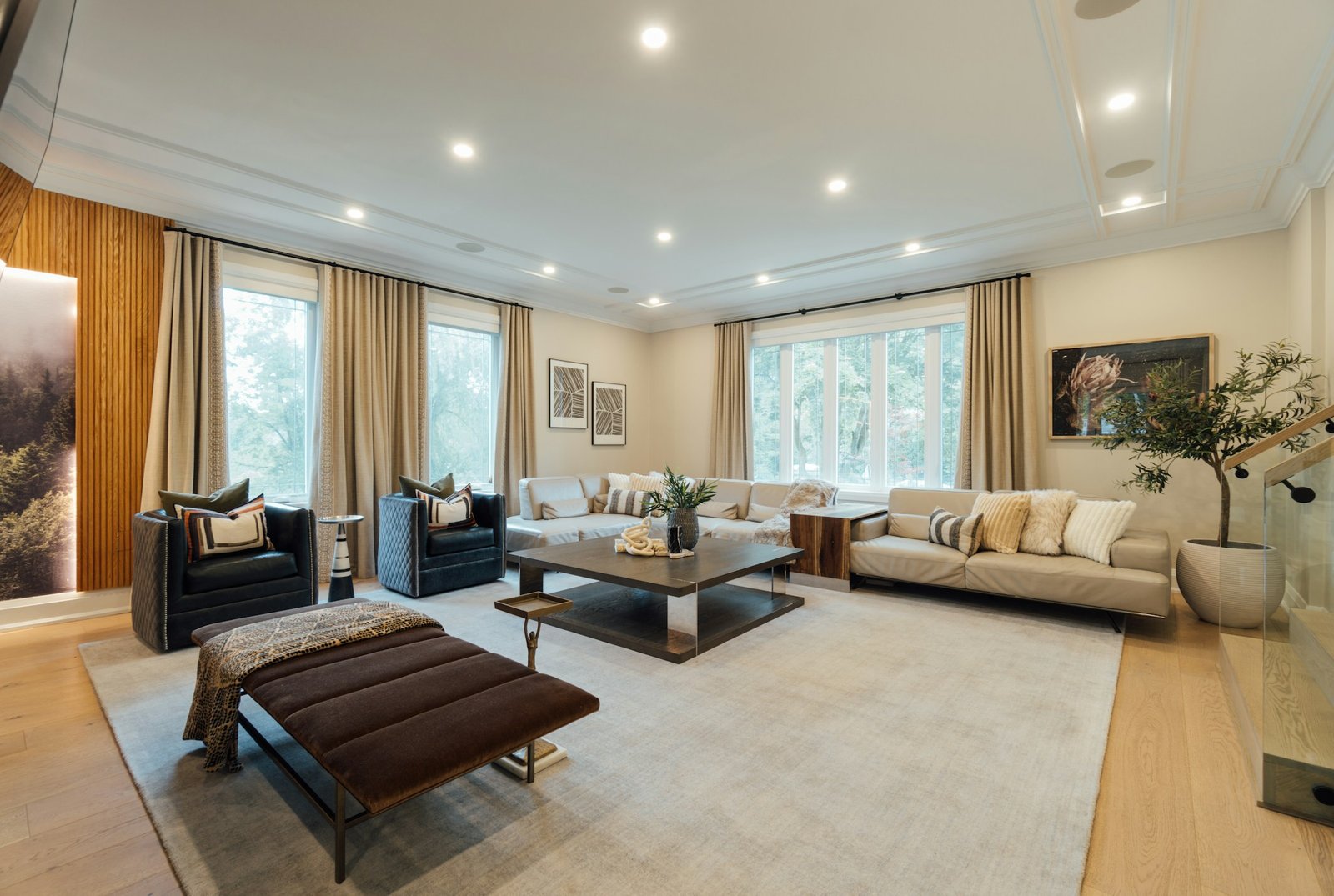
3 BHK Interior Design Package in Gurgaon: What’s Included, What’s Extra
Hire an Interior Designer in Gurgaon: A Practical Guide to Designing a Home You’ll Love
Beyond the Hype: What You Really Need to Know About Hiring Famous Interior Designers in Delhi
False Ceiling Design for Living Room: Luxury Ideas & Trends
L-Shaped Modular Kitchen Design: Luxury & Efficiency
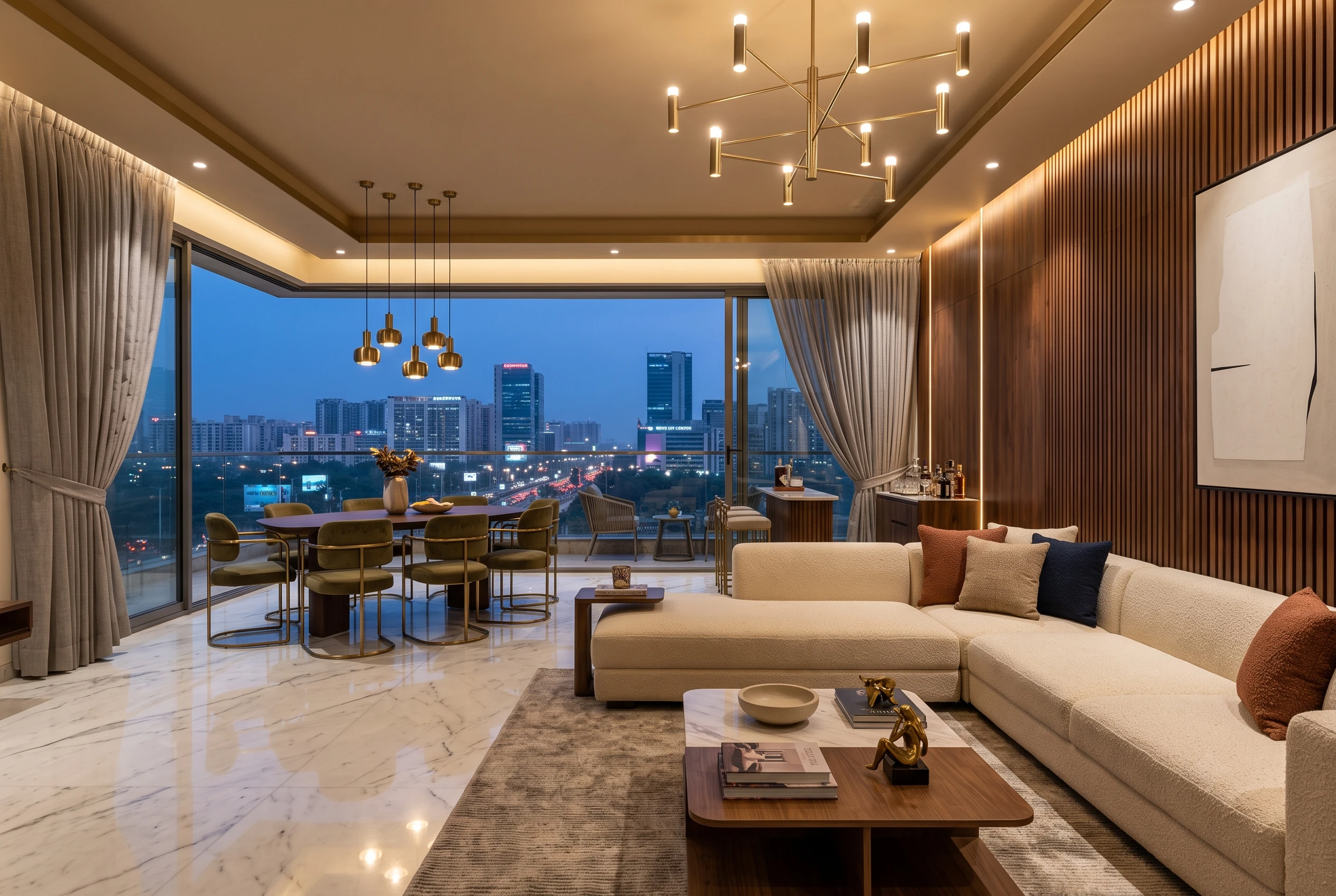
Top Luxury Interior Design Company in Noida
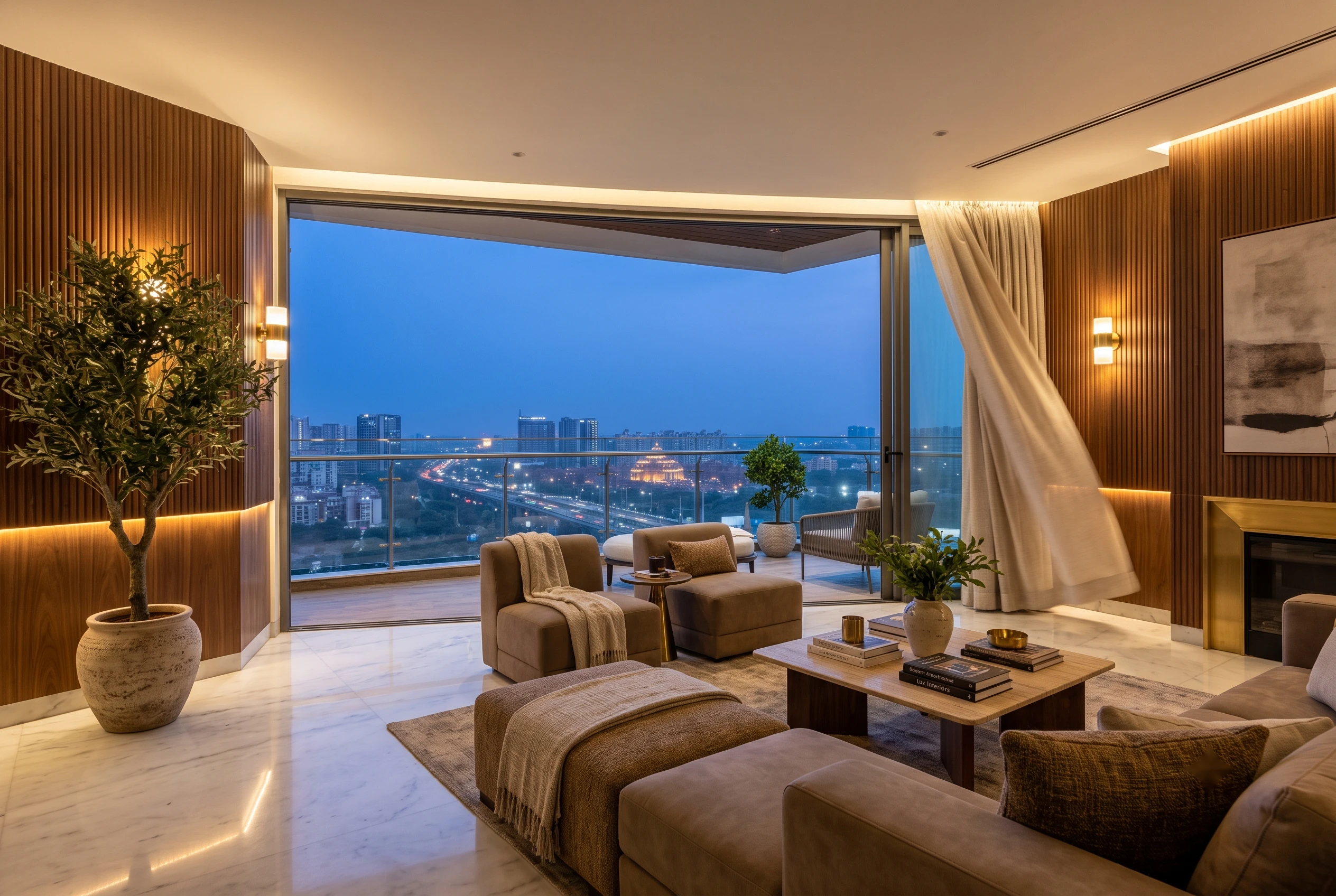
Top Interior Designer in Noida | Turn Your Home into a Luxury Sanctuary with Homeworkdesigns
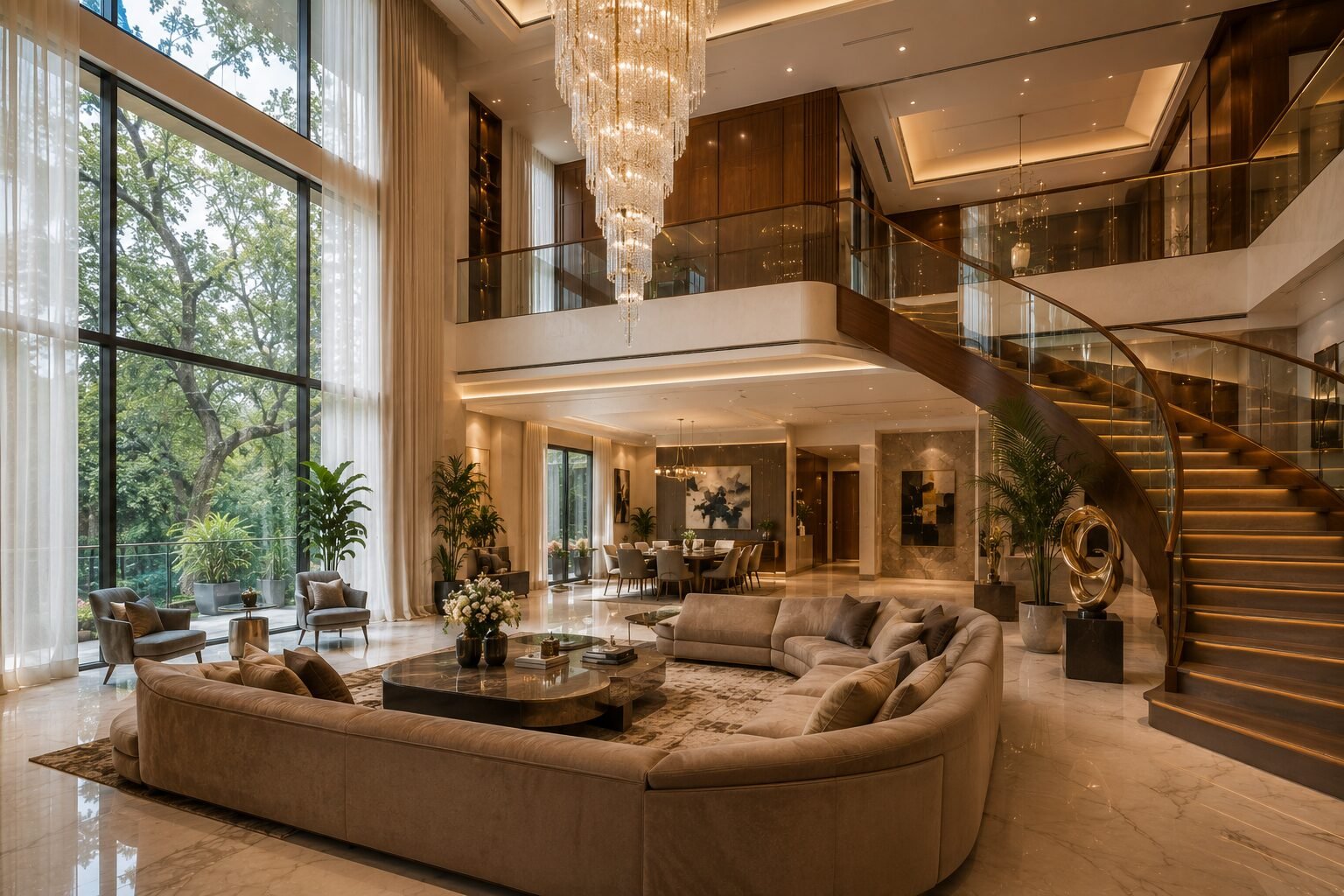
Duplex Interior Design in South Delhi: GK & Panchsheel Case Notes
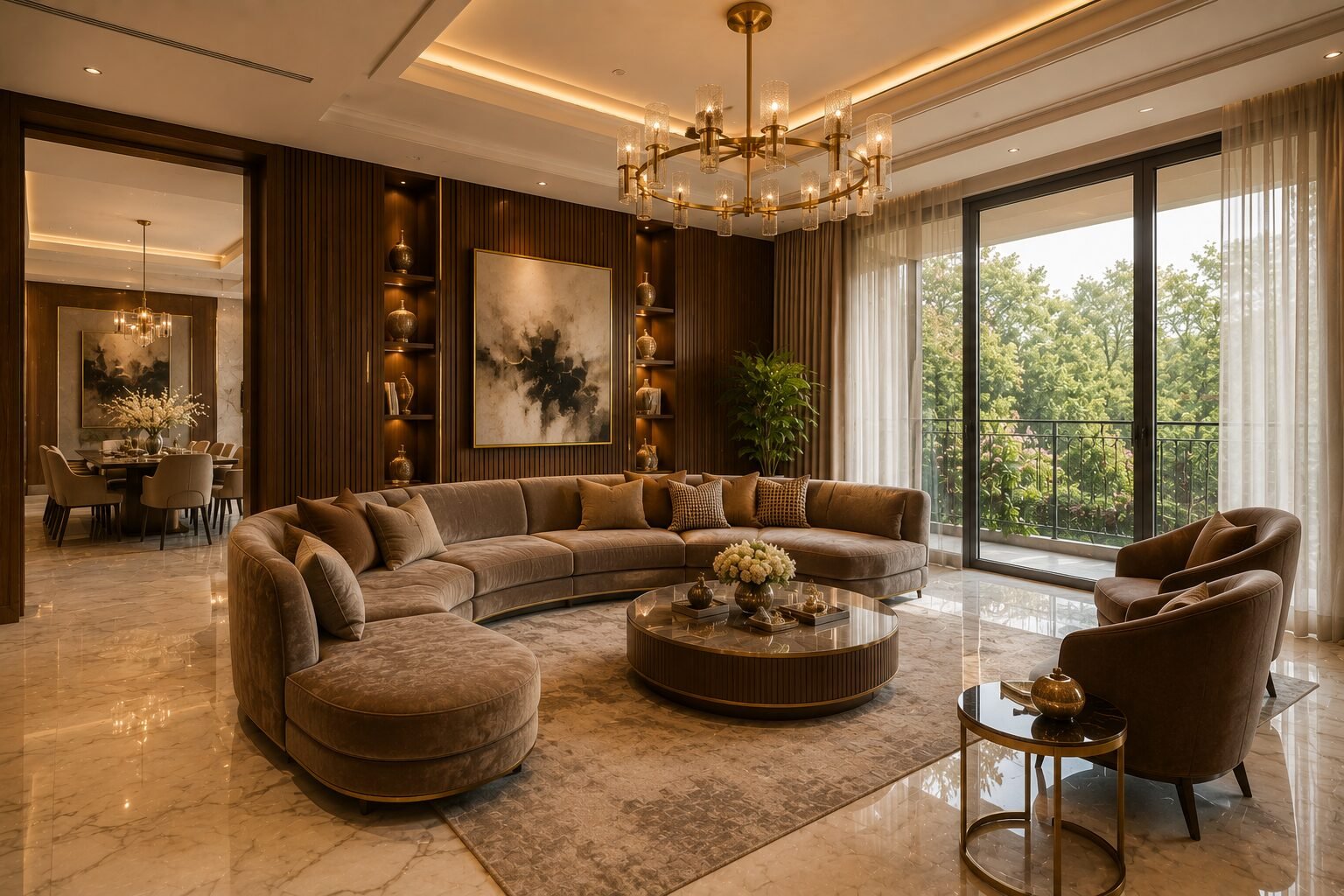
Interior Design Cost for GK1 & GK2 Builder Floors: A 2026 Pricing Guide
Renovating a Resale Flat in Gurgaon: What to Check Before You Move In
DLF Phase 3 vs DLF Phase 5: How Builder Floor Interiors Differ
Interior Design Cost for 4BHK Independent Floors in Gurgaon
Interior Designer vs Contractor: Who Should You Actually Hire?
Kitchen Renovation Cost in Gurgaon 2026: Modular vs.Custom, What’s Worth It?
Luxury Interior Designers in Gurgaon | Home & Office | Homework Designs
How to Design a Small 1BHK Apartment in Gurgaon: 11 Space-Saving Ideas
Top Interior Designer in DLF Phase 1 Gurgaon | 2026 Cost & Services
Renovating a Home in Palam Vihar Gurgaon Is About More Than Just Upgrading Interiors
Home Interior Designer Sohna Road Gurgaon: Designing Homes That Feel Luxurious, Functional, and Truly Personal
Interior Designer Golf Course Extension Road: Creating Luxury Homes That Feel Effortless
Home Renovation Sector 56 Gurgaon: Transforming Everyday Homes Into Elegant Living Spaces