Plywood vs MDF vs HDHMR for Home Interiors in Gurgaon: Which Material Should You Choose?
Choosing the right board material is one of the decisions that quietly determines how long an interior lasts. The finish may get most of the attention, but the board behind the laminate, veneer, paint or acrylic affects strength, screw holding, moisture resistance, weight and maintenance. For homeowners planning interiors in Gurgaon, the familiar question is often whether to choose plywood, MDF or HDHMR.
There is no single winner for every part of a home. A kitchen cabinet, wardrobe shutter, TV unit, bathroom vanity and decorative wall panel do not face the same conditions. The right material depends on where it will be used, how much moisture it may encounter, how the surface will be finished and what level of durability the project requires.
Plywood vs MDF vs HDHMR: What Actually Changes?
Plywood is made by bonding layers of wood veneer together, with the grain direction arranged across layers. MDF, or medium-density fibreboard, is made from refined wood fibres compressed with resin under heat and pressure. HDHMR, or high-density high-moisture-resistant board, is an engineered wood panel designed to offer higher density and moisture resistance than conventional MDF.
These manufacturing differences affect the way each board behaves. Plywood is valued for structural strength and good screw holding. MDF has a smooth, uniform surface that works particularly well for painted shutters, routed profiles and decorative work. HDHMR sits between these applications, offering a dense, smooth board with better moisture resistance than standard MDF while still supporting many finish options.
1. Plywood: The Practical Choice for Strength
Plywood is often the first material considered when the furniture needs to carry weight or withstand repeated use. Its layered construction gives it good dimensional stability and strength, although actual performance depends heavily on the grade, thickness, adhesive quality and manufacturing standard.
In a Gurgaon home, plywood can make sense for kitchen carcasses, heavy storage, beds, study units, tall wardrobes and other furniture where structural performance matters. It is also useful when the design includes shelves that will carry books, appliances or other concentrated loads.
- Good structural strength for demanding furniture applications.
- Good screw-holding ability when the correct grade and thickness are selected.
- Available in different grades for different performance requirements.
- Works with laminates, veneers and several other finishing systems.
- Useful where furniture needs to feel solid and withstand regular use.
Plywood is not automatically waterproof. This distinction matters. Interior-grade plywood, moisture-resistant plywood and marine-grade plywood are different products, and their suitability depends on the environment. A quotation that simply says “plywood” does not tell you enough.
2. MDF: Best Known for a Smooth Finish
MDF is especially useful when the visual finish is the priority. Because it has a consistent fibre structure without the natural grain of veneer-based plywood, it can provide a very smooth base for paint and detailed routed designs.
This makes MDF attractive for decorative shutters, wall panelling, fluted details, moulded profiles and furniture components that are primarily visual rather than heavily structural. It can also be useful for painted furniture where a clean, uniform surface is important.
- Very smooth surface for paint and decorative finishes.
- Suitable for routed grooves, profiles and detailed designs.
- Consistent appearance without prominent natural wood grain.
- Useful for decorative furniture and wall treatments.
- Can be cost-effective for selected non-structural applications.
The main caution is moisture. Standard MDF should not be treated as a substitute for a moisture-resistant board in areas where water exposure is expected. Edges are especially important because poorly sealed edges can absorb moisture and swell.
3. HDHMR: A Useful Middle Ground
HDHMR has become a popular option in contemporary interiors because it combines a dense engineered board structure with improved moisture resistance compared with ordinary MDF. Its smooth surface also works well with laminates, acrylics, paints and other finishes, depending on the product specification.
For homeowners who want a clean finish but do not want to use plywood for every decorative component, HDHMR can be a practical option. It can be considered for shutters, storage components, panelling and selected furniture applications where its density and moisture-resistant properties are useful.
However, “HDHMR” should not be used as a blanket guarantee of performance. Different manufacturers and product ranges can have different specifications. Ask the designer or contractor for the exact board brand, thickness and technical specification rather than accepting only the generic material name.
Where Should You Use Each Material?
The smartest interior projects do not force one material into every room. Instead, the material is selected according to the job it has to perform.
Kitchen Cabinets
Kitchen furniture faces heat, humidity, spills, cleaning and daily opening and closing. Plywood is a strong choice for carcasses when the specification and budget support it. HDHMR can also be considered for suitable cabinet components, particularly where a smooth finished surface and moisture resistance are useful. Standard MDF is better reserved for dry decorative components rather than areas exposed to regular moisture.
Wardrobes
Wardrobes usually have less direct moisture exposure than kitchens, so several materials can work. Plywood is useful for strong carcasses and shelves. HDHMR can be suitable for shutters and selected internal components. MDF is attractive for painted or routed shutters when moisture exposure is low and the board is properly specified.
TV Units and Wall Panelling
Decorative TV units and wall panels are often more about appearance than heavy structural loading. MDF can be excellent for painted profiles and routed designs. HDHMR can also be used where a denser and more moisture-resistant engineered board is preferred. Plywood remains useful for structural portions, shelves or areas carrying heavier loads.
Bathroom Vanity
Bathrooms require more care because water and humidity are unavoidable. The board selection should be based on the actual product specification and the construction details, especially edge sealing and protection around plumbing cut-outs. Moisture-resistant boards can be considered, but no board should be treated as a reason to ignore waterproofing, ventilation or proper sealing.
A Simple Comparison for Gurgaon Home Interiors
Instead of asking which material is best overall, compare them against the requirement of the furniture.
- For structural strength: plywood generally has the advantage.
- For painted decorative work: MDF is often a strong option.
- For a dense engineered board with improved moisture resistance: HDHMR is worth considering.
- For heavy shelves and furniture: plywood is commonly preferred.
- For routed decorative panels: MDF and HDHMR can work well depending on the design.
- For humid areas: specify a suitable moisture-resistant product and protect all exposed edges and joints.
Why Board Thickness Matters
Material name alone does not determine performance. Thickness matters too. A board selected for a tall wardrobe shelf may need different specifications from a decorative shutter. The same is true for kitchen shelves, bed platforms and long spans.
Long shelves are particularly sensitive to thickness and support spacing. If a shelf is expected to carry heavy objects across a long unsupported span, simply choosing a premium-sounding board is not enough. The design needs appropriate thickness, edge support and fixing details.
Do Not Ignore the Edges
Many material failures begin at edges, joints or cut-outs rather than on the middle of a panel. Kitchen sink areas, plumbing openings, exposed shelf edges and cabinet bottoms deserve particular attention.
Ask how exposed edges will be finished and protected. The exact method depends on the board, finish and construction system, but the principle is simple: moisture should not be allowed to reach vulnerable board material through poorly finished edges or openings.
How to Read an Interior Design Quotation
A quotation should do more than say “premium plywood” or “HDHMR material.” Before approving the work, ask for the board manufacturer, product or grade, thickness, finish and intended application. If the project uses different materials in different areas, those should be clearly identified.
- Board type and manufacturer.
- Thickness of the board.
- Where plywood, MDF and HDHMR will each be used.
- Laminate, veneer, acrylic, paint or other surface finish.
- Edge treatment and protection.
- Hardware specification and fixing method.
- Any exclusions related to civil work, electrical work or plumbing.
This level of detail makes two quotations easier to compare. A lower price may simply reflect a different board specification or finish rather than a cheaper execution process.
What About Cost?
There is no useful single price for plywood, MDF or HDHMR because board prices vary by brand, thickness, grade and market conditions. The final furniture cost also includes cutting, edge treatment, laminate or veneer, hardware, labour, transportation and installation.
For a Gurgaon home, it is better to compare the complete specification than to compare a single per-square-foot board rate. A slightly more expensive material may make sense in a high-use area, while using that same material everywhere can unnecessarily increase the project budget.
Common Mistakes Homeowners Make
- Choosing a board only because its name sounds premium.
- Assuming every plywood product is waterproof.
- Using standard MDF in areas with regular moisture exposure.
- Ignoring the board thickness while comparing quotations.
- Not checking the manufacturer or product specification.
- Focusing on the laminate finish while ignoring the carcass material.
- Using one material throughout the home without considering the function of each piece.
A Better Material Strategy for a Gurgaon Home
A practical home interior can combine materials instead of choosing one winner. Structural furniture can use a suitable plywood specification where strength matters. Painted decorative shutters can use MDF where the environment is dry and the design benefits from its smooth surface. HDHMR can fill applications where a dense, smooth engineered board with improved moisture resistance is useful.
This approach keeps the material specification connected to the actual requirement. It can also prevent the common mistake of paying for a premium board in areas where a different material would perform just as well.
Questions to Ask Your Interior Designer Before Finalising Materials
- Which board is being used for each major furniture item?
- Why has that material been selected for the particular application?
- What is the exact thickness and manufacturer?
- Which areas require moisture-resistant material?
- How will exposed edges and cut-outs be protected?
- What finish will be applied over the board?
- Is the quoted material included in the final project price?
- Will the same specification be maintained during execution?
Final Takeaway
Plywood, MDF and HDHMR each have a place in well-planned home interiors. Plywood is valuable where strength and load-bearing performance matter. MDF is especially useful for smooth painted and routed decorative work. HDHMR offers a dense engineered option with improved moisture resistance compared with ordinary MDF.
The best material choice is the one matched to the room, furniture type, moisture exposure, finish and expected use. For homeowners planning an interior project in Gurgaon, the most important step is not simply choosing a board. It is making sure the complete material specification is documented before manufacturing begins.
At Homework Design Studio, material selection should be treated as part of the design process, not an afterthought. A well-planned interior considers structure, finish, storage, daily use and long-term maintenance together, so the final home looks good and continues to work well after the installation team has left.

Related Posts
Kitchen Pantry Design in Gurgaon: Tall Units, Pull-Out Storage and Smart Space Planning
Home Library Design in Gurgaon: Built-In Shelves, Reading Corners and Smart Storage
TV Unit Design Ideas in Gurgaon: Modern, Space-Saving and Practical Solutions
Pooja Room Interior Design in Gurgaon: Practical Ideas for Apartments and Builder Floors
Staircase Design Ideas for Gurgaon Homes: Materials, Railings, Lighting and Storage
Foyer and Entrance Design Ideas in Gurgaon: Storage, Lighting and Space-Saving Tips
Dining Room Design Ideas in Gurgaon: Layout, Furniture, Lighting and Storage
Apartment Balcony Design Ideas in Gurgaon: Flooring, Plants, Privacy and Budget
Senior-Friendly Home Interior Design in Gurgaon: A Practical Room-by-Room Guide
Home Renovation Checklist for Gurgaon: Before Work Starts to Handover
Kids’ Bedroom Interior Design in Gurgaon: Safe, Smart and Space-Saving Ideas
Bathroom Interior Design in Gurgaon: Tiles, Waterproofing, Storage and Cost
False Ceiling Design in Gurgaon: Types, Lighting, Costs and Practical Tips
Living Room Interior Design in Gurgaon: Layout, Lighting and Budget Tips
Builder Floor Interior Design Cost Gurgaon: Complete 2026 Budget Guide
Builder Floor Interior Design Ideas Gurgaon: Layout, Storage, Furniture & Cost Guide
Best Interior Designer in Gurgaon: 10 Companies to Compare in 2026
Bedroom Interior Design Ideas for Gurgaon Homes: Modern, Comfortable & Functional Spaces | 2026 Guide
Interior Designer in Sector 56 Gurgaon: A Practical Guide to Designing a Better Home
Interior Designer Near Golf Course Road Gurgaon: How to Choose the Right Studio
Home Renovation Company in South City Gurgaon: How to Plan a Smooth Remodel
Interior Design Services in Sushant Lok: Hire a Local Studio
Interior Designer in DLF Phase 1 Gurgaon: Local Projects & Process
Office Interior Design in Gurgaon for Startups & Small Teams: Cost Guide
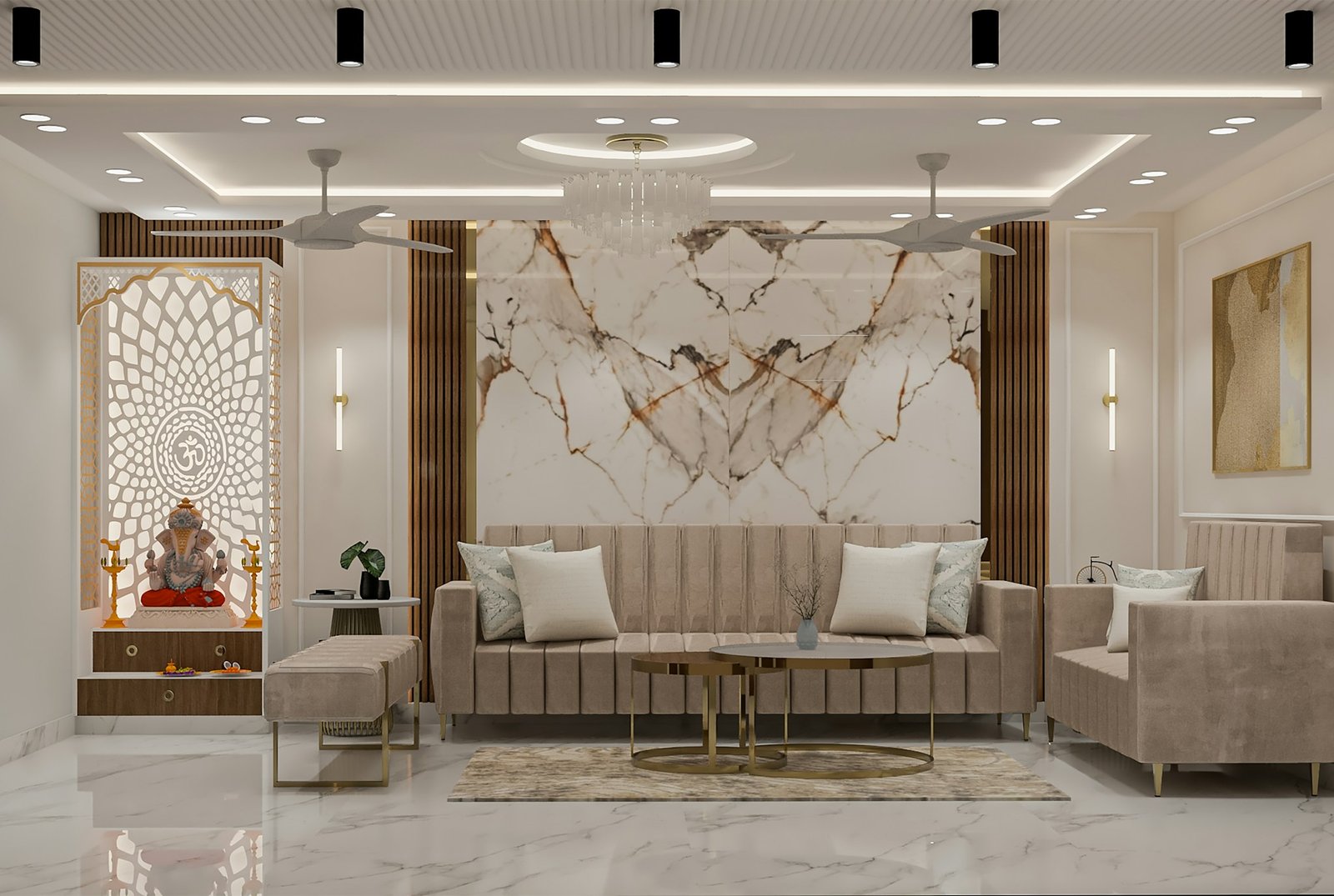
Penthouse Interior Designer in Gurgaon: What to Expect from Consultation to Handover
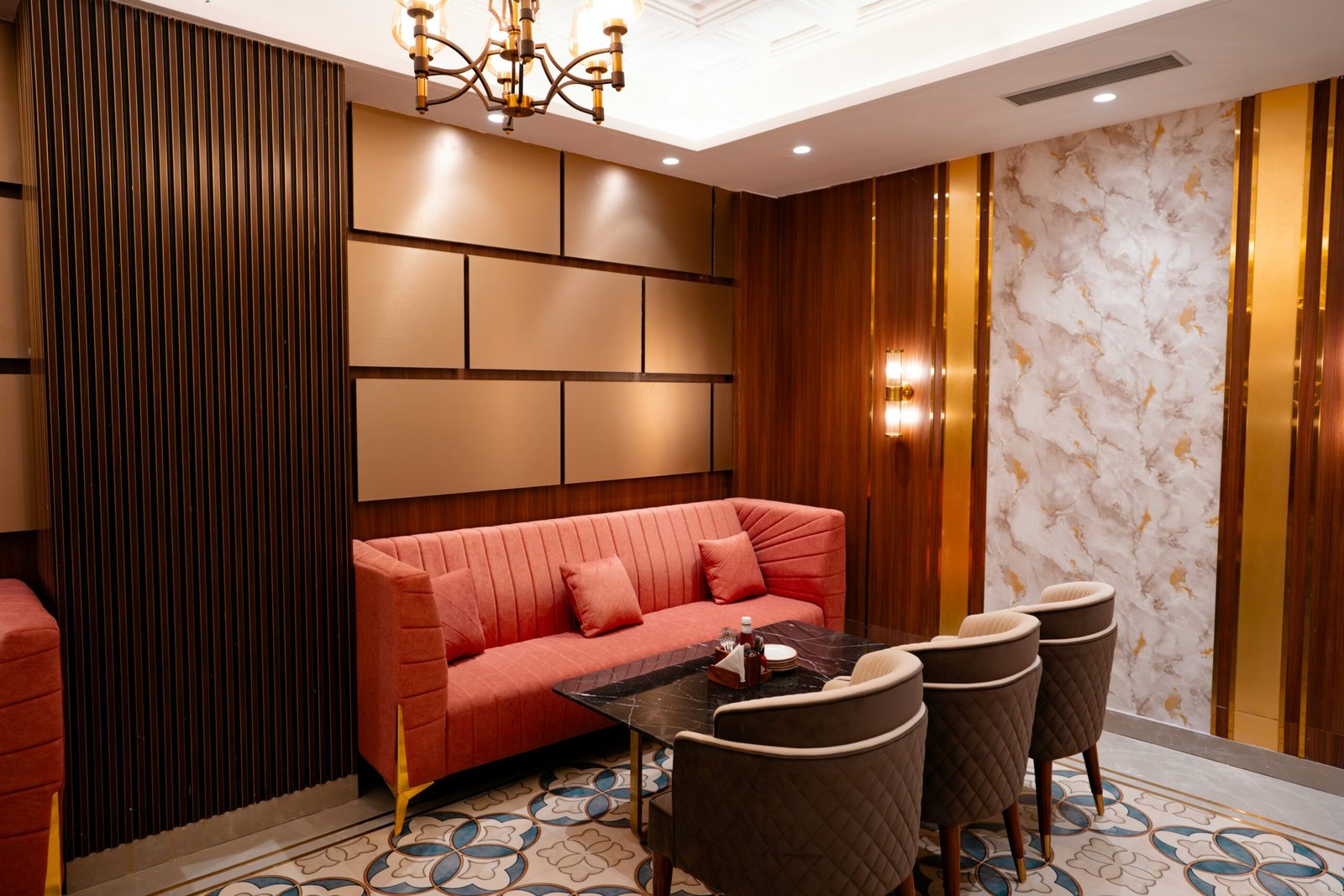
Interior Design for Villas in Golf Course Extension: Process & Pricing
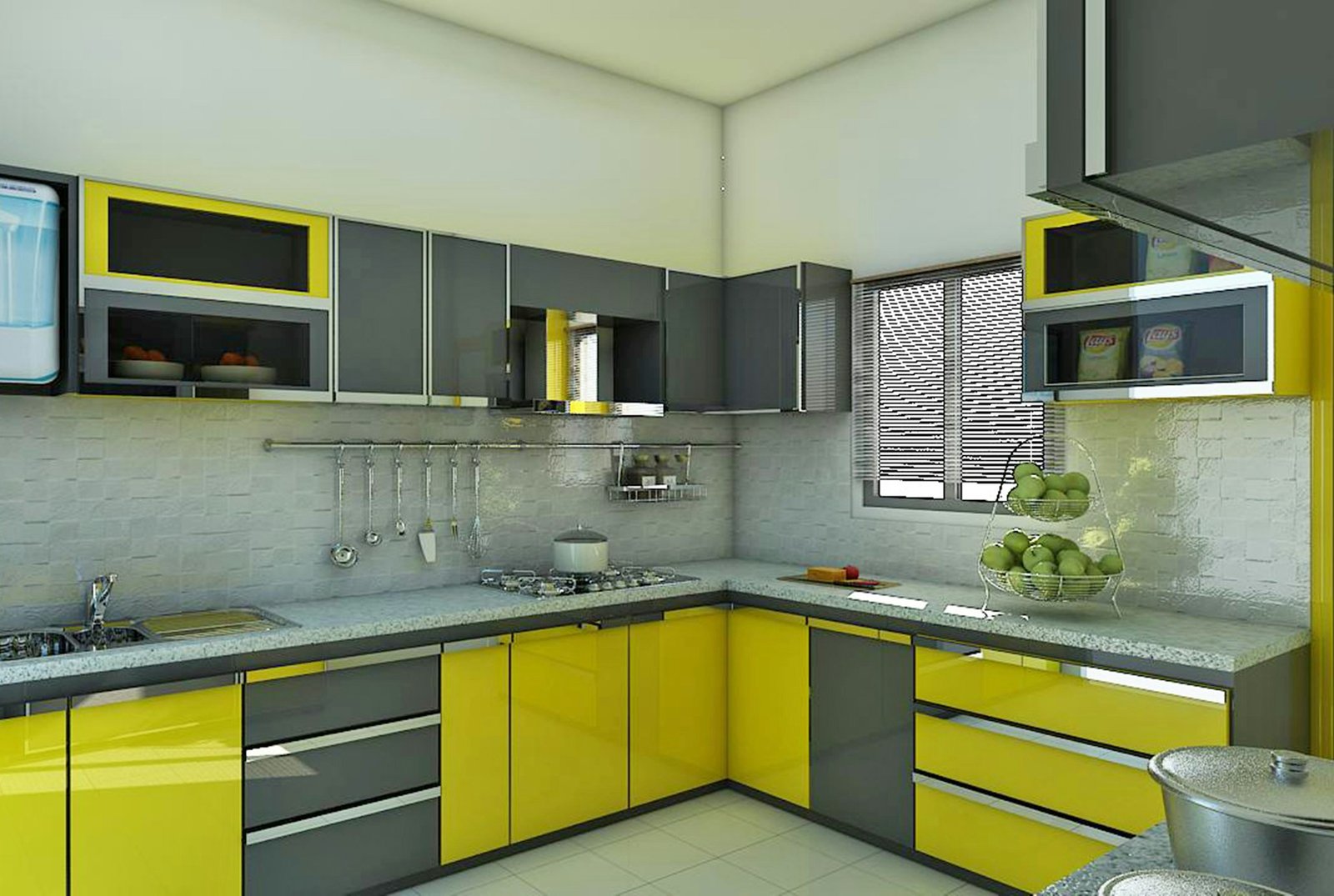
Modular Kitchen Designer in Gurgaon: Cost & Design Process
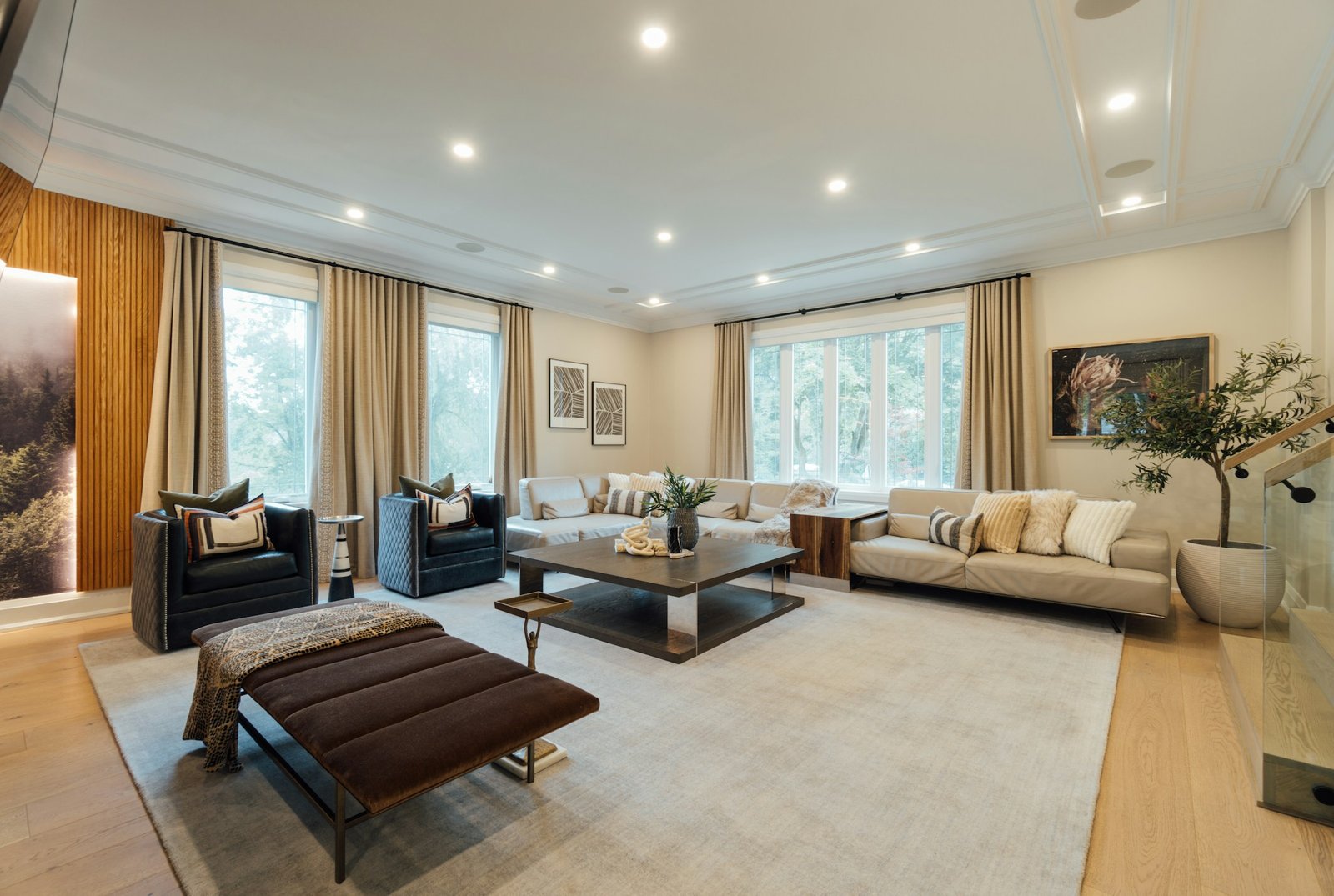
3 BHK Interior Design Package in Gurgaon: What’s Included, What’s Extra
Hire an Interior Designer in Gurgaon: A Practical Guide to Designing a Home You’ll Love
Beyond the Hype: What You Really Need to Know About Hiring Famous Interior Designers in Delhi
False Ceiling Design for Living Room: Luxury Ideas & Trends
L-Shaped Modular Kitchen Design: Luxury & Efficiency
Top Luxury Interior Design Company in Noida
Top Interior Designer in Noida | Turn Your Home into a Luxury Sanctuary with Homeworkdesigns
Duplex Interior Design in South Delhi: GK & Panchsheel Case Notes
Interior Design Cost for GK1 & GK2 Builder Floors: A 2026 Pricing Guide
Renovating a Resale Flat in Gurgaon: What to Check Before You Move In
DLF Phase 3 vs DLF Phase 5: How Builder Floor Interiors Differ
Interior Design Cost for 4BHK Independent Floors in Gurgaon
Interior Designer vs Contractor: Who Should You Actually Hire?
Kitchen Renovation Cost in Gurgaon 2026: Modular vs.Custom, What’s Worth It?
Luxury Interior Designers in Gurgaon | Home & Office | Homework Designs
How to Design a Small 1BHK Apartment in Gurgaon: 11 Space-Saving Ideas
Top Interior Designer in DLF Phase 1 Gurgaon | 2026 Cost & Services
Renovating a Home in Palam Vihar Gurgaon Is About More Than Just Upgrading Interiors
Home Interior Designer Sohna Road Gurgaon: Designing Homes That Feel Luxurious, Functional, and Truly Personal
Interior Designer Golf Course Extension Road: Creating Luxury Homes That Feel Effortless
Home Renovation Sector 56 Gurgaon: Transforming Everyday Homes Into Elegant Living Spaces