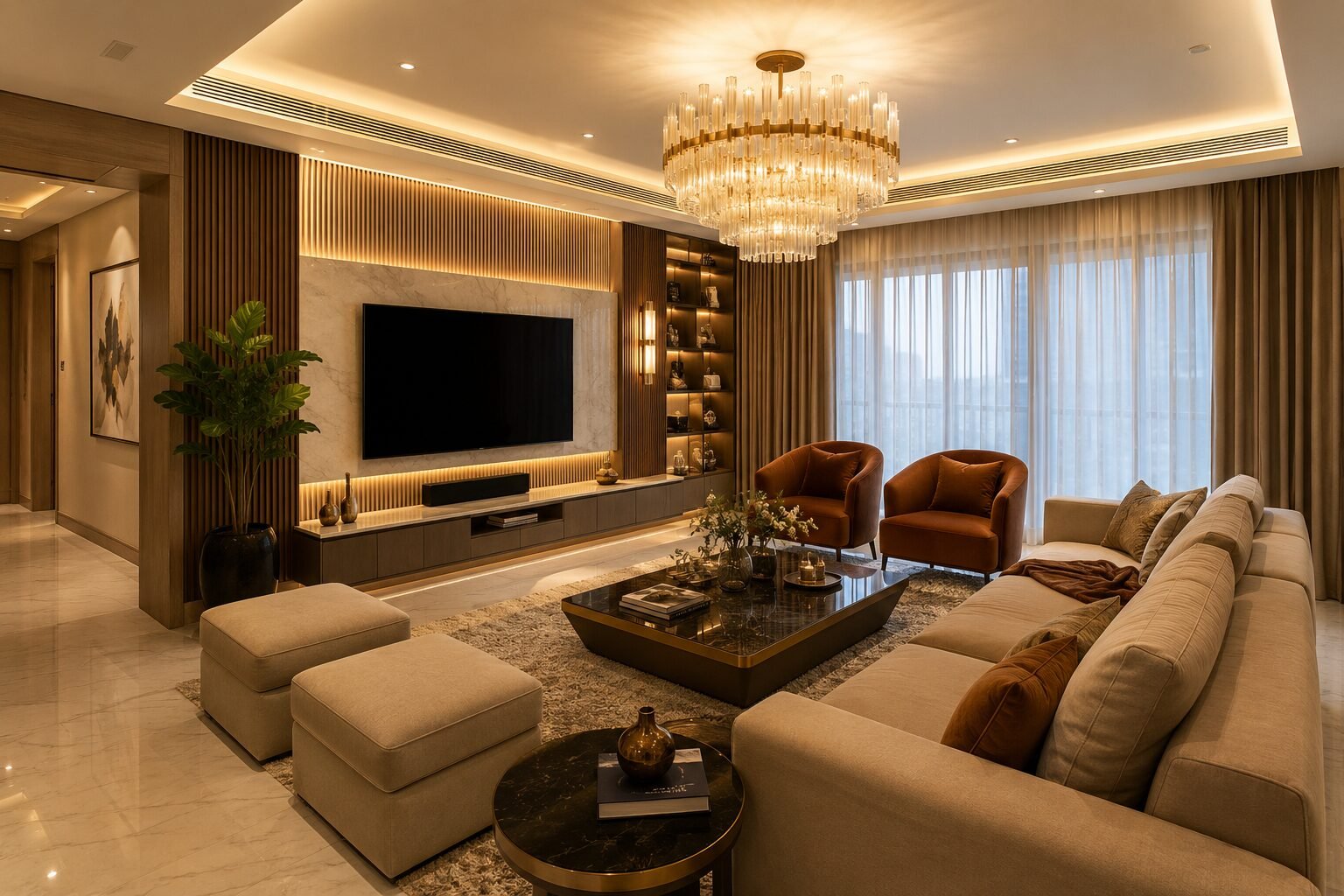
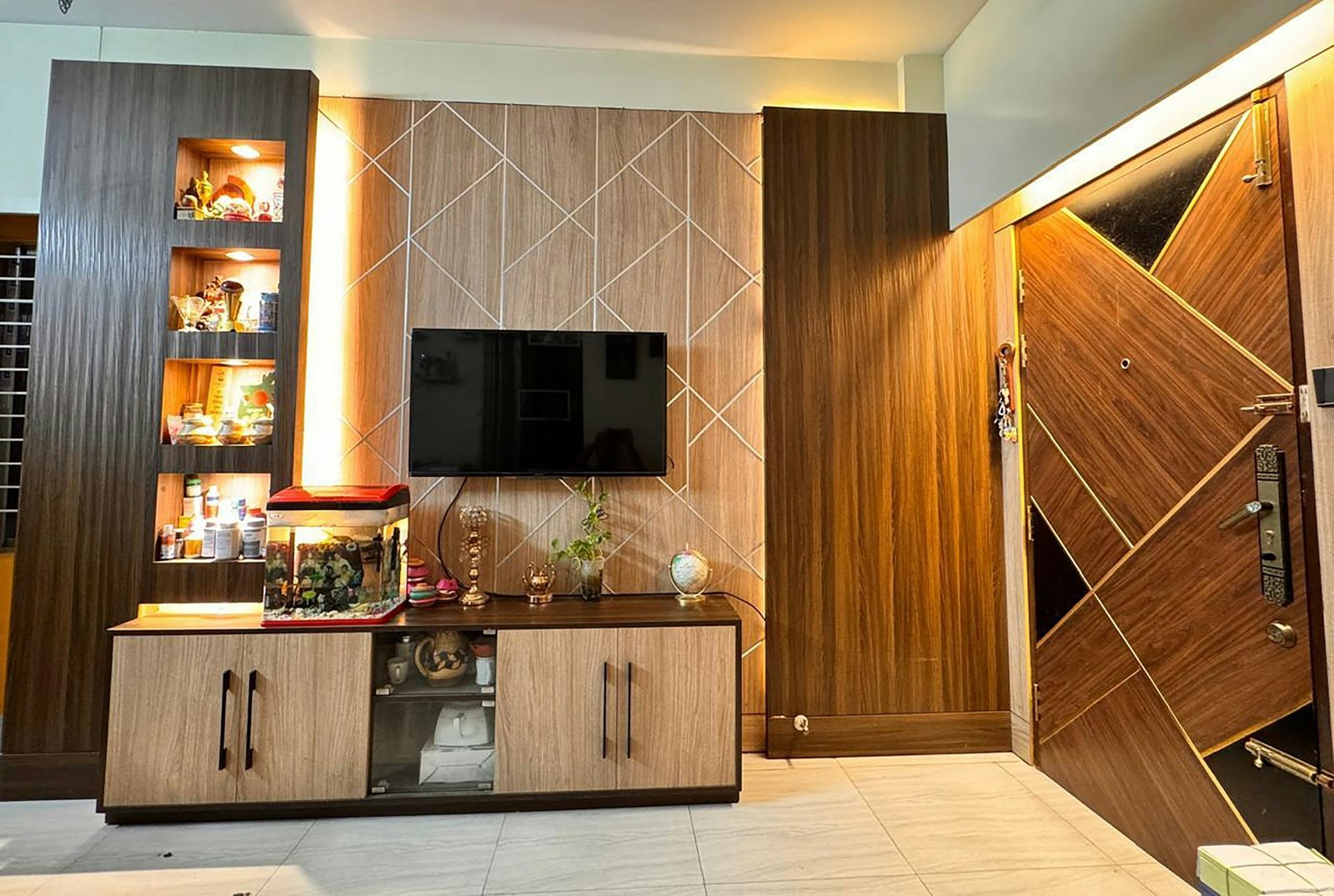
TV Unit Design Ideas in Gurgaon: Modern, Space-Saving and Practical Solutions
A TV unit is one of the most visible pieces of furniture in a living room, but it has a job beyond holding the television. A well-planned unit can hide wires, add storage, create a visual anchor and make an otherwise empty wall feel finished. The challenge is getting the proportions, materials and storage right for your room.
For Gurgaon homes, this becomes especially important because living rooms vary widely. A compact apartment may need a shallow floating console, while a builder floor can accommodate a full media wall with display storage. The right TV unit design should respond to the room rather than forcing the room around a standard cabinet.
How to Plan a TV Unit Before Choosing the Design
Start with the wall, not the television. Measure the total wall width, ceiling height, viewing distance, existing furniture and the location of electrical points. Then decide what the unit actually needs to store.
- Measure the television and leave comfortable visual margins around it.
- Mark the power, internet and set-top-box points before finalising the panel.
- Decide whether you need closed cabinets, open shelves or both.
- Check the depth of the unit so it does not make a narrow room feel crowded.
- Consider how the TV will be mounted and where ventilation is required for equipment.
- Match the unit’s finishes with the rest of your living room interior.
1. Minimal Floating TV Unit for Gurgaon Apartments
A floating TV unit works especially well in compact apartments because it keeps the floor visually open. A slim wall panel behind the television can be combined with a floating drawer or console below.
This approach is useful when you already have a sofa, coffee table and other furniture occupying the room. Instead of adding another heavy floor-to-ceiling cabinet, keep the lower section shallow and let the wall treatment provide the visual interest.
2. Full-Height TV Wall with Storage
If storage is a priority, a full-height media wall can combine the television, books, decorative objects and concealed cabinets in one composition. The trick is to divide the mass so the wall does not look like one oversized cupboard.
Use a combination of open niches and closed shutters. Keep everyday clutter behind solid fronts and reserve open shelves for a few books, artwork or decorative pieces. This creates a cleaner look and makes dusting easier.
3. Wooden TV Unit Design
Wood finishes remain popular because they add warmth to a living room. A walnut, oak or natural wood-look finish can work with contemporary, transitional or more traditional interiors.
You do not need to cover the entire wall in wood. A wooden panel behind the television paired with a painted wall, stone-look surface or neutral cabinetry can create contrast without becoming visually heavy.
4. Fluted Panel TV Wall
Fluted panels are useful when you want texture without introducing a complicated pattern. Vertical lines can also make the wall feel taller, which is helpful in apartments with standard ceiling heights.
Use fluting selectively. Covering every section of the TV wall can make the design look repetitive. A framed fluted panel behind the television, combined with a plain console, is often enough.
5. TV Unit with Stone or Marble-Look Backdrop
A stone or marble-look backdrop can give the TV wall a more premium appearance. Large-format surfaces are particularly effective because fewer joints create a cleaner background.
For a practical home, consider porcelain, sintered or high-quality engineered surfaces where appropriate rather than choosing a material only for its appearance. The exact specification should suit the installation, budget and maintenance requirements.
6. TV Unit with Open Shelves
Open shelves can break up a large cabinet and give you space to display books, photographs and small objects. They are best used with restraint.
A common mistake is filling every shelf. Leave some negative space so the display feels intentional. If the living room already has many decorative elements, use fewer open niches and more closed storage.
7. Concealed Storage for a Cleaner Living Room
The most useful TV unit is often the one that hides what you do not want to see. Remote controls, gaming accessories, cables, documents, small electronics and miscellaneous living-room items can quickly create visual clutter.
Plan drawers and cabinets according to what you actually own. A deep cabinet that cannot be accessed easily is less useful than a shallow drawer with sensible internal organisation.
8. Designing the Unit Around Cable Management
Cable management should be decided before the carpentry starts. Provide a concealed route from the television to the electrical and data points, with access where equipment needs to be connected or serviced.
Do not permanently seal every cable behind the panel. A future television, soundbar, streaming device or gaming console may need a different connection. Removable access panels and properly planned conduits make upgrades much easier.
Ventilation also matters when equipment is placed inside a cabinet. Avoid creating a completely sealed box around devices that generate heat.
9. TV Unit for a Small Living Room
Small rooms need proportionate furniture. Instead of installing a wide entertainment centre, consider a compact wall panel with a slim console below. Light finishes, floating furniture and controlled open storage can make the wall feel less crowded.
Another useful trick is to align the TV unit with existing furniture lines. If the sofa, console and other elements already create a horizontal rhythm, the TV wall should complement it rather than introducing several competing heights.
10. TV Unit Design for Builder Floors
Builder floors often offer larger living areas, so the TV wall can become a stronger architectural feature. A full-width composition with storage, lighting and display niches can work well, provided the proportions match the room.
In a large room, avoid making the television appear like a small object floating in the middle of an enormous blank wall. A wider composition can visually connect the TV area with the rest of the living room.
11. TV Unit Lighting Ideas
Lighting can add depth to a TV wall, but it should not compete with the screen. Warm concealed LED strips can highlight a panel, niche or lower console. Small accent lights can be used inside display shelves.
Avoid placing bright lights directly behind or around the television if they create glare. The living room should have several lighting layers, so the TV wall does not have to carry the entire lighting load.
12. Colour Combinations That Work
Neutral combinations are easier to live with for several years. Warm wood with beige or off-white works well for a relaxed home. Walnut with charcoal or muted grey creates a stronger contemporary look. Light wood with white or cream can make a compact room feel brighter.
If you want a darker TV wall, keep the surrounding furniture and lighting balanced. A dark panel can look sophisticated, but too many dark surfaces in a small room can make the space feel enclosed.
13. Should You Choose a Wall-Mounted or Floor-Standing TV Unit?
A wall-mounted unit creates a lighter visual appearance and makes floor cleaning easier. It also works well with modern interiors where clean lines are important.
A floor-standing unit can offer more storage and may be preferable when the wall cannot support the required mounting system. It can also be easier to modify or replace later.
The choice should be based on the wall construction, storage needs, furniture layout and the way you want the room to look, not simply on current design trends.
14. Common TV Unit Design Mistakes
- Making the unit deeper than the room needs.
- Using too many finishes on one wall.
- Ignoring cable access and future equipment changes.
- Creating open shelves without deciding what will be displayed.
- Placing decorative lighting where it causes glare while watching TV.
- Forgetting ventilation around electronic equipment.
- Choosing a unit that is too small for a large wall or too large for a compact room.
- Adding storage without considering how the doors and drawers will actually open.
15. TV Unit Cost Factors in Gurgaon
The cost of a custom TV unit depends on its size, construction, materials, hardware, lighting, storage and installation. A simple floating console will have a very different scope from a full-height media wall with multiple cabinets and premium finishes.
- Size: larger walls require more material and fabrication.
- Material: laminate, veneer, acrylic, stone-look panels and premium finishes have different costs.
- Storage: drawers, shutters and internal accessories add to the scope.
- Lighting: concealed LEDs and electrical modifications increase installation work.
- Hardware: hinges, channels and drawer systems affect both cost and durability.
- Installation: wall condition, electrical work and site access can change the final price.
Ask for the material specification, thickness, finish, hardware brand or specification, lighting scope and installation details in the quotation. A low headline price is not useful if important parts of the unit are excluded.
How a TV Unit Should Connect with the Rest of Your Living Room
The TV wall should not be designed in isolation. Its wood tone, colour and visual weight should work with the sofa, flooring, coffee table, curtains and other storage.
If you are redesigning the entire room, start with the furniture layout and viewing position before finalising the TV wall. Our living room interior design guide for Gurgaon covers layout, lighting, furniture sizing and budgeting in more detail.
For homes where the TV area shares space with dining, the unit should also support the broader open-plan layout. Our dining room design guide can help when both zones need to work together.
Frequently Asked Questions
What is the best TV unit design for a small apartment?
A shallow floating console with a simple wall panel is a strong option. It provides storage without taking too much floor space and keeps the room visually lighter.
How deep should a TV unit be?
It depends on the equipment and storage required. Keep the unit as shallow as practical, especially in compact rooms, but provide enough depth for the television accessories and any equipment that needs ventilation.
Is a floating TV unit better than a full-height unit?
Neither is universally better. A floating unit suits minimal and compact interiors, while a full-height unit is more useful when you need substantial storage or want to create a larger architectural feature.
How can I hide TV wires?
Plan concealed conduits and accessible cable routes before the wall panel or carpentry is installed. Keep service access available so cables can be replaced or new equipment can be connected later.
What material is best for a TV unit?
The best material depends on the design, budget and required finish. Laminate can be practical and versatile, veneer can add natural character, and stone-look surfaces can create a premium backdrop. The construction and hardware matter as much as the visible finish.
Final Thoughts
A good TV unit should make the living room easier to use, not simply make the wall look expensive. Get the proportions right, hide the clutter, plan the cables, provide sensible storage and use lighting with restraint.
Whether you live in a Gurgaon apartment or a larger builder floor, the best TV unit design is the one that fits your room, your equipment and your everyday routine. Start with measurements and function, then choose the materials and visual style. That approach will give you a TV wall that still feels right years after installation.
Related Posts
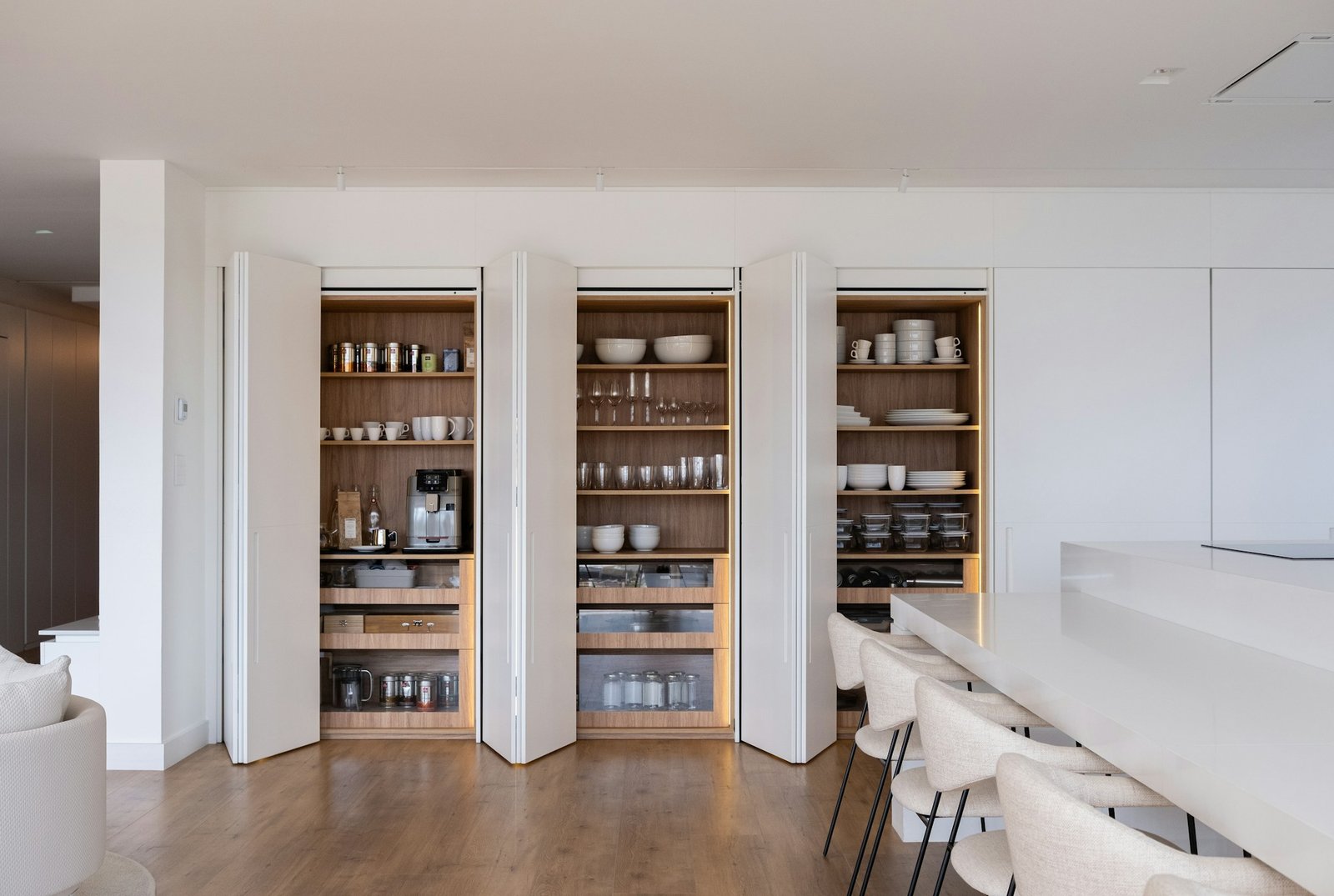
Kitchen Pantry Design in Gurgaon: Tall Units, Pull-Out Storage and Smart Space Planning
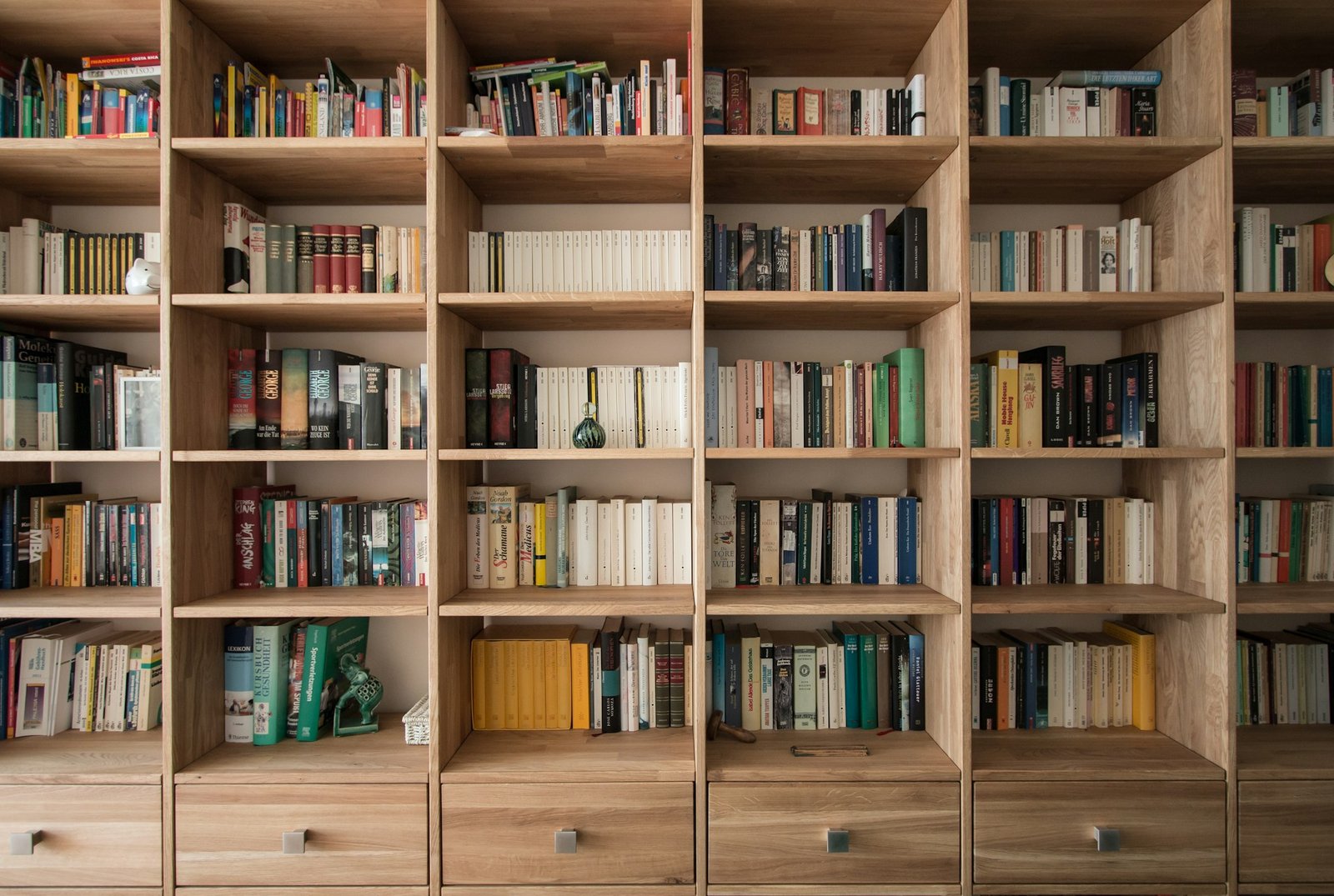
Home Library Design in Gurgaon: Built-In Shelves, Reading Corners and Smart Storage
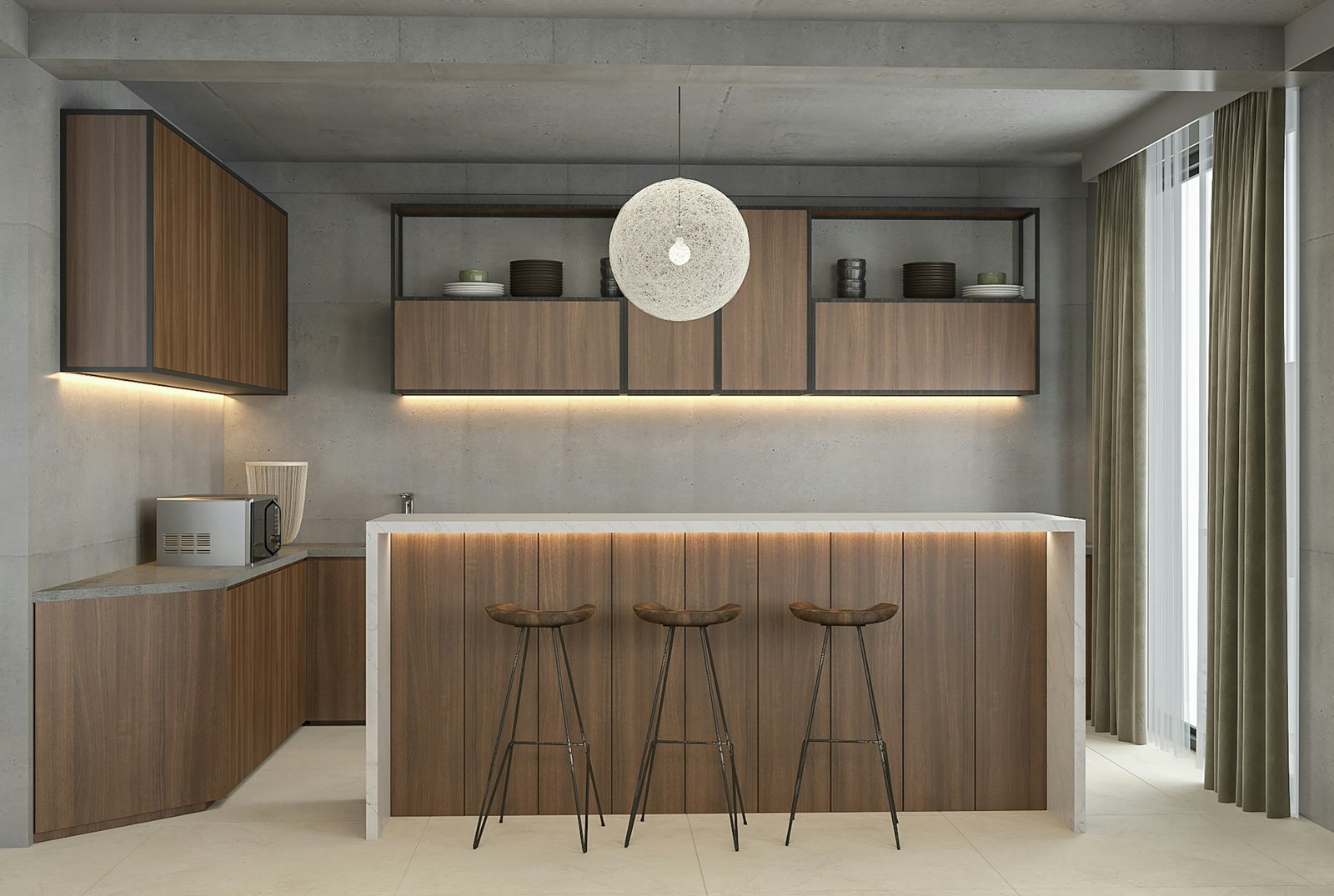
Plywood vs MDF vs HDHMR for Home Interiors in Gurgaon: Which Material Should You Choose?
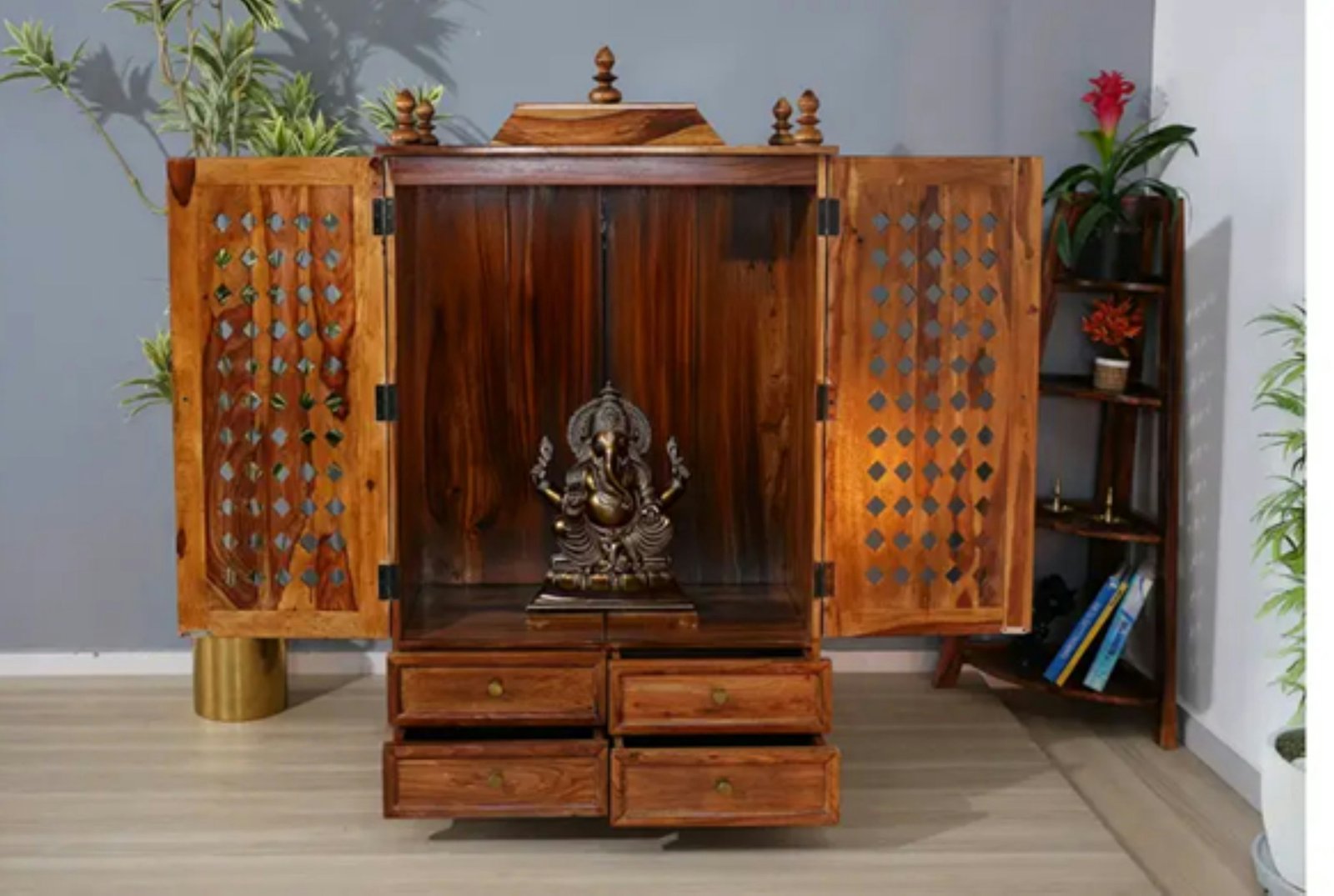
Pooja Room Interior Design in Gurgaon: Practical Ideas for Apartments and Builder Floors
Staircase Design Ideas for Gurgaon Homes: Materials, Railings, Lighting and Storage
Foyer and Entrance Design Ideas in Gurgaon: Storage, Lighting and Space-Saving Tips
Dining Room Design Ideas in Gurgaon: Layout, Furniture, Lighting and Storage

Apartment Balcony Design Ideas in Gurgaon: Flooring, Plants, Privacy and Budget
Senior-Friendly Home Interior Design in Gurgaon: A Practical Room-by-Room Guide
Home Renovation Checklist for Gurgaon: Before Work Starts to Handover
Kids’ Bedroom Interior Design in Gurgaon: Safe, Smart and Space-Saving Ideas
Bathroom Interior Design in Gurgaon: Tiles, Waterproofing, Storage and Cost
False Ceiling Design in Gurgaon: Types, Lighting, Costs and Practical Tips
Living Room Interior Design in Gurgaon: Layout, Lighting and Budget Tips
Builder Floor Interior Design Cost Gurgaon: Complete 2026 Budget Guide
Builder Floor Interior Design Ideas Gurgaon: Layout, Storage, Furniture & Cost Guide
Best Interior Designer in Gurgaon: 10 Companies to Compare in 2026
Bedroom Interior Design Ideas for Gurgaon Homes: Modern, Comfortable & Functional Spaces | 2026 Guide
Interior Designer in Sector 56 Gurgaon: A Practical Guide to Designing a Better Home
Interior Designer Near Golf Course Road Gurgaon: How to Choose the Right Studio
Home Renovation Company in South City Gurgaon: How to Plan a Smooth Remodel
Interior Design Services in Sushant Lok: Hire a Local Studio
Interior Designer in DLF Phase 1 Gurgaon: Local Projects & Process
Office Interior Design in Gurgaon for Startups & Small Teams: Cost Guide
Penthouse Interior Designer in Gurgaon: What to Expect from Consultation to Handover
Interior Design for Villas in Golf Course Extension: Process & Pricing
Modular Kitchen Designer in Gurgaon: Cost & Design Process
3 BHK Interior Design Package in Gurgaon: What’s Included, What’s Extra
Hire an Interior Designer in Gurgaon: A Practical Guide to Designing a Home You’ll Love
Beyond the Hype: What You Really Need to Know About Hiring Famous Interior Designers in Delhi
False Ceiling Design for Living Room: Luxury Ideas & Trends
L-Shaped Modular Kitchen Design: Luxury & Efficiency
Top Luxury Interior Design Company in Noida
Top Interior Designer in Noida | Turn Your Home into a Luxury Sanctuary with Homeworkdesigns
Duplex Interior Design in South Delhi: GK & Panchsheel Case Notes
Interior Design Cost for GK1 & GK2 Builder Floors: A 2026 Pricing Guide
Renovating a Resale Flat in Gurgaon: What to Check Before You Move In
DLF Phase 3 vs DLF Phase 5: How Builder Floor Interiors Differ
Interior Design Cost for 4BHK Independent Floors in Gurgaon
Interior Designer vs Contractor: Who Should You Actually Hire?
Kitchen Renovation Cost in Gurgaon 2026: Modular vs.Custom, What’s Worth It?
Luxury Interior Designers in Gurgaon | Home & Office | Homework Designs
How to Design a Small 1BHK Apartment in Gurgaon: 11 Space-Saving Ideas
Top Interior Designer in DLF Phase 1 Gurgaon | 2026 Cost & Services
Renovating a Home in Palam Vihar Gurgaon Is About More Than Just Upgrading Interiors
Home Interior Designer Sohna Road Gurgaon: Designing Homes That Feel Luxurious, Functional, and Truly Personal
Interior Designer Golf Course Extension Road: Creating Luxury Homes That Feel Effortless
Home Renovation Sector 56 Gurgaon: Transforming Everyday Homes Into Elegant Living Spaces