Apartment Balcony Design Ideas in Gurgaon: Flooring, Plants, Privacy and Budget
A balcony can become one of the most useful corners of a Gurgaon home, but only when its design accounts for the weather, exposure, building rules and the way the family plans to use it. A compact balcony in a high-rise apartment has different needs from a wide terrace attached to a builder floor. The right plan can create a quiet coffee spot, a small garden, extra utility space or an outdoor seating area without making the space difficult to maintain.
Gurgaon brings strong summer sun, dust, monsoon rain and seasonal changes in temperature. That makes material selection and drainage just as important as cushions and planters. Here is a practical guide to planning apartment balcony design in Gurgaon, with ideas that work across different sizes and budgets.
1. Decide how the balcony will be used
Start with one primary purpose. Trying to fit a dining set, swing, garden, storage cabinet and clothes-drying rack into a small balcony usually leaves little room to move. Decide whether the space is mainly for relaxing, gardening, morning tea, reading or utility use. A secondary function can be added only if the dimensions allow it.
Measure the usable floor area, door opening, railing position and any fixed services. Note where rain enters and which direction receives direct sun. These details help determine furniture size, plant placement and the most suitable flooring. In apartments, also check the society’s rules before planning external screens, grills, awnings, artificial turf or changes visible from the building facade.
2. Plan the layout before buying furniture
Keep the route from the balcony door to the seating area clear. In a narrow balcony, a slim bench along one wall or two compact chairs may work better than a bulky outdoor sofa. Foldable chairs and nesting tables can be useful when the balcony needs to serve more than one purpose.
For a wider balcony, create simple zones: seating near the view, plants along an appropriate edge and a compact utility area away from the main sitting space. Do not block access to drains, service points or the AC outdoor unit. Maintain the clearances required by the equipment manufacturer and building maintenance team.
3. Choose flooring that can handle outdoor conditions
Balcony flooring needs to handle water, dust, sunlight and regular cleaning. Outdoor-rated anti-skid tiles are a practical option, provided the selected product is suitable for the exposure and installed with correct slope and waterproofing details. Textured porcelain tiles, exterior-grade finishes and properly specified stone can all be considered after checking their maintenance needs.
Wood-look tiles can bring warmth without the same maintenance routine as natural timber. If you prefer deck tiles or composite decking, check drainage below the system, heat build-up in direct sun, UV resistance and how individual pieces can be removed for cleaning. Avoid covering balcony drains or creating a raised floor that traps water.
Before replacing an existing floor, inspect the waterproofing and drainage. New tiles do not solve a leakage problem underneath. If there are damp patches or water seepage, have the cause assessed and repaired before adding decorative finishes.
4. Use plants suited to the balcony’s sunlight
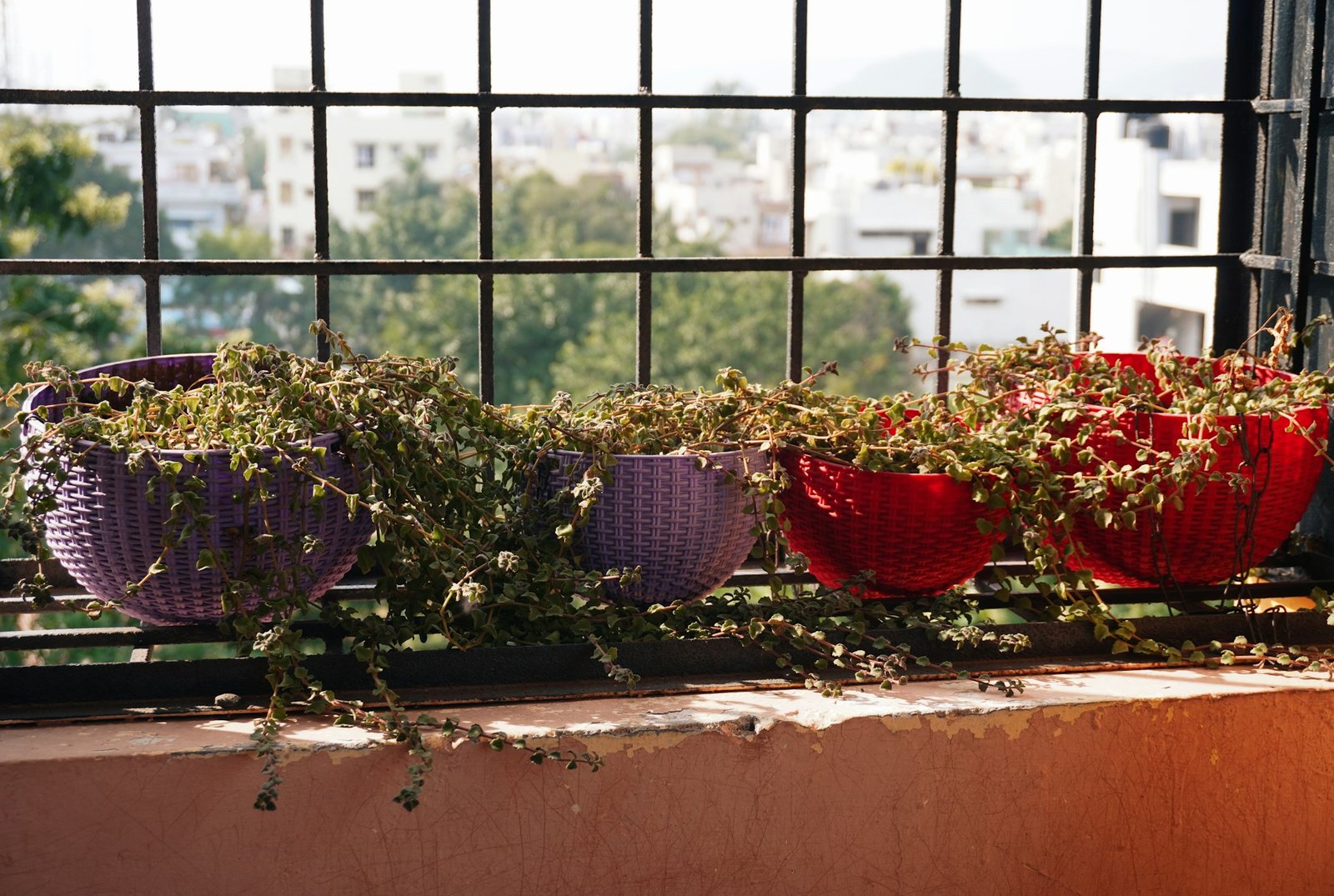
A balcony garden should be planned around the hours of direct sunlight, wind exposure and the time available for care. Observe the space through the day before choosing plants. A sunny, exposed balcony needs different selections from a shaded one. Ask a local nursery for varieties suited to the exact conditions rather than buying plants only because they look good in a photograph.
Use a mix of floor planters, railing-safe planters where permitted, and vertical arrangements on approved surfaces. Keep heavier pots stable and away from edges. Use trays carefully so excess water does not stain the floor or spill onto neighbours below. Group plants by watering needs to make maintenance easier.
For a small balcony, a few well-chosen plants often look better than dozens of mismatched pots. Repeated planter shapes and a consistent colour palette can make the garden feel intentional. Leave access to drains and avoid allowing vines to interfere with railings, external equipment or facade elements.
5. Add privacy without making the balcony feel closed
Privacy is a common concern in closely spaced apartment towers and builder-floor neighbourhoods. Start with movable solutions such as outdoor curtains on approved tracks, carefully positioned planters or a freestanding screen that does not compromise safety or ventilation. Choose materials designed for outdoor use and secure them against wind.
Before installing bamboo screens, fixed louvers, glass panels or any external structure, confirm the building and society permissions. Changes to railings, facade elements and exterior projections can be restricted. Never attach a screen in a way that weakens the railing or creates a climbing hazard.
6. Select outdoor furniture for Gurgaon weather
Balcony furniture faces more sun, dust and moisture than indoor furniture. Look for outdoor-rated frames and finishes, and check care instructions before purchase. Powder-coated metal, suitable treated wood and weather-resistant synthetic materials are common options, but quality varies by product. Test the stability of chairs and make sure the dimensions fit the balcony.
Keep cushions removable so they can be stored during rain or when the balcony is not in use. Choose washable covers and avoid leaving ordinary indoor upholstery outdoors. A compact storage bench can hold cushions and gardening tools, but it should not block ventilation, drainage or access to services.
7. Create shade for hot afternoons
Direct summer sun can make a balcony uncomfortable and heat up furniture and flooring. Depending on the orientation and building permissions, consider outdoor blinds, a retractable shade or an approved awning. Select a solution rated for outdoor exposure and wind conditions, and confirm that its installation is allowed by the apartment management.
Plants can soften sunlight, but they should not be treated as a substitute for a properly designed shade system. Avoid improvised fabric sheets or loose coverings that can become unsafe in strong winds. If the balcony is west-facing, read our guide to managing heat in west-facing Gurgaon flats for related indoor planning ideas.
8. Get lighting right for evenings
Layered lighting makes a balcony more usable after sunset. A suitable wall light can provide general illumination, while a small portable outdoor-rated lamp can add softer light near seating. Solar lights may work in areas that receive enough daylight, although their performance depends on exposure and product quality.
Use fixtures and connections rated for outdoor conditions and have electrical work carried out by a qualified professional. Keep cables away from walking paths and water. Avoid overly bright lights that cause glare or disturb neighbouring homes. Warm, diffused lighting usually creates a relaxed atmosphere without making a compact balcony feel harsh.
9. Make a small balcony feel larger
In a compact apartment, visual clutter is the main enemy. Use a limited palette, choose furniture with a light visual profile and keep the floor as open as possible. A slim bench, wall-mounted fold-down table or vertical planter can free up usable floor area. Repeat one or two materials rather than mixing several unrelated finishes.
A mirror may brighten a sheltered balcony, but avoid placing fragile glass where it can be exposed to impact or strong weather. Instead, use lighter colours, open-legged furniture and a consistent flooring finish to create a sense of space. Keep the balcony door swing and window access unobstructed.
10. Plan a balcony that doubles as a utility area
Many Gurgaon households use the balcony for laundry, cleaning supplies or utility equipment. These functions can coexist with a sitting area if they are planned rather than added as an afterthought. Use a compact, ventilated storage cabinet made for outdoor conditions, and keep cleaning products safely stored away from children and pets.
Drying racks should be stable, easy to fold and positioned so they do not obstruct the route or create a hazard. Do not enclose the balcony or conceal gas lines, drains, AC equipment or other building services. Any changes to plumbing, drainage or external enclosures should be reviewed by the appropriate building professional and management team.
11. Protect the balcony from monsoon water and dust
Monsoon readiness begins with working drainage. Keep drain openings clear and check that water flows towards the outlet rather than collecting near the door. Inspect sealant around frames and any joints where water could enter. If water regularly pools or seeps indoors, arrange a proper inspection instead of relying on surface coatings alone.
Choose finishes that can be wiped down and avoid delicate fabrics or untreated materials in exposed areas. Removable covers for furniture can reduce cleaning, but they should be secured and dried before storage to prevent dampness. A simple routine of sweeping leaves and dust from the balcony helps prevent drain blockages.
12. Understand the cost before starting
Balcony design costs vary with the area, existing floor condition, waterproofing requirements, furniture, planters, lighting and any approved shade or privacy features. A refresh using movable furniture and plants will have a different budget from a project involving tile replacement, electrical work or repairs to the building envelope.
Prepare a list of must-haves and optional upgrades. Get separate estimates for civil repairs, waterproofing, flooring, electrical work, furniture and planting. Confirm whether delivery, installation, disposal and maintenance are included. Do not begin drilling, railing changes or external installations until permissions and safety requirements are clear.
Balcony design checklist
Layout: Measure the space, keep the door route clear and choose one main use.
Flooring: Check slip resistance, outdoor suitability, slope, drainage and waterproofing.
Plants: Match plants to sunlight and wind, secure pots and keep drains accessible.
Furniture: Select stable outdoor-rated pieces and store cushions during rain.
Privacy and shade: Use approved, securely installed solutions that do not affect the facade or railing safety.
Lighting and electrical: Use outdoor-rated products and professional installation.
Permissions: Confirm society and building rules before making visible or structural changes.
Frequently asked questions
Which flooring is best for a balcony in Gurgaon?
Outdoor-rated anti-skid tiles are a practical choice for many balconies. The right product depends on sun and rain exposure, maintenance preferences and the condition of the existing waterproofing. Ensure the floor has suitable drainage and does not become slippery when wet.
How can I make a small apartment balcony look bigger?
Keep the floor open, use compact or foldable furniture, limit the colour palette and use vertical planting where permitted. Avoid filling the balcony with too many pots or oversized seating.
Which plants are suitable for Gurgaon balconies?
Plant choice depends on the number of sunlight hours, wind exposure and watering routine. Observe the balcony conditions and ask a local nursery to recommend plants for that specific microclimate. Secure containers and prevent excess water from dripping onto lower floors.
Can I install a balcony privacy screen in an apartment?
Check the apartment association and building rules first. Fixed screens, awnings, railing changes and facade-visible installations may need approval. Any solution must remain secure and must not compromise railing safety, ventilation or access to services.
How do I prevent water from collecting on my balcony?
Keep drain outlets clear and have the floor slope and waterproofing inspected if water pools. Do not cover the drain with deck tiles, planters or storage. Persistent seepage needs a proper diagnosis and repair, not just a decorative surface treatment.
How much does balcony interior design cost in Gurgaon?
The cost depends on the balcony size and whether the work includes only furniture and plants or also flooring, waterproofing, electrical work and approved shade systems. A site inspection and itemised estimate are the best way to establish a realistic budget.
Create an outdoor corner that works every day
A well-designed balcony is not about adding the most furniture or the largest number of plants. It is about making a small outdoor area comfortable, safe and easy to maintain through Gurgaon’s changing seasons. Begin with the layout and drainage, then select flooring, shade, furniture, greenery and lighting that suit the property and the family.
Homework Design Studio works on residential interiors and home renovation in Gurgaon. If you are planning to refresh an apartment balcony or coordinate it with a wider home interior project, contact our team to discuss your space and requirements.

Related Posts
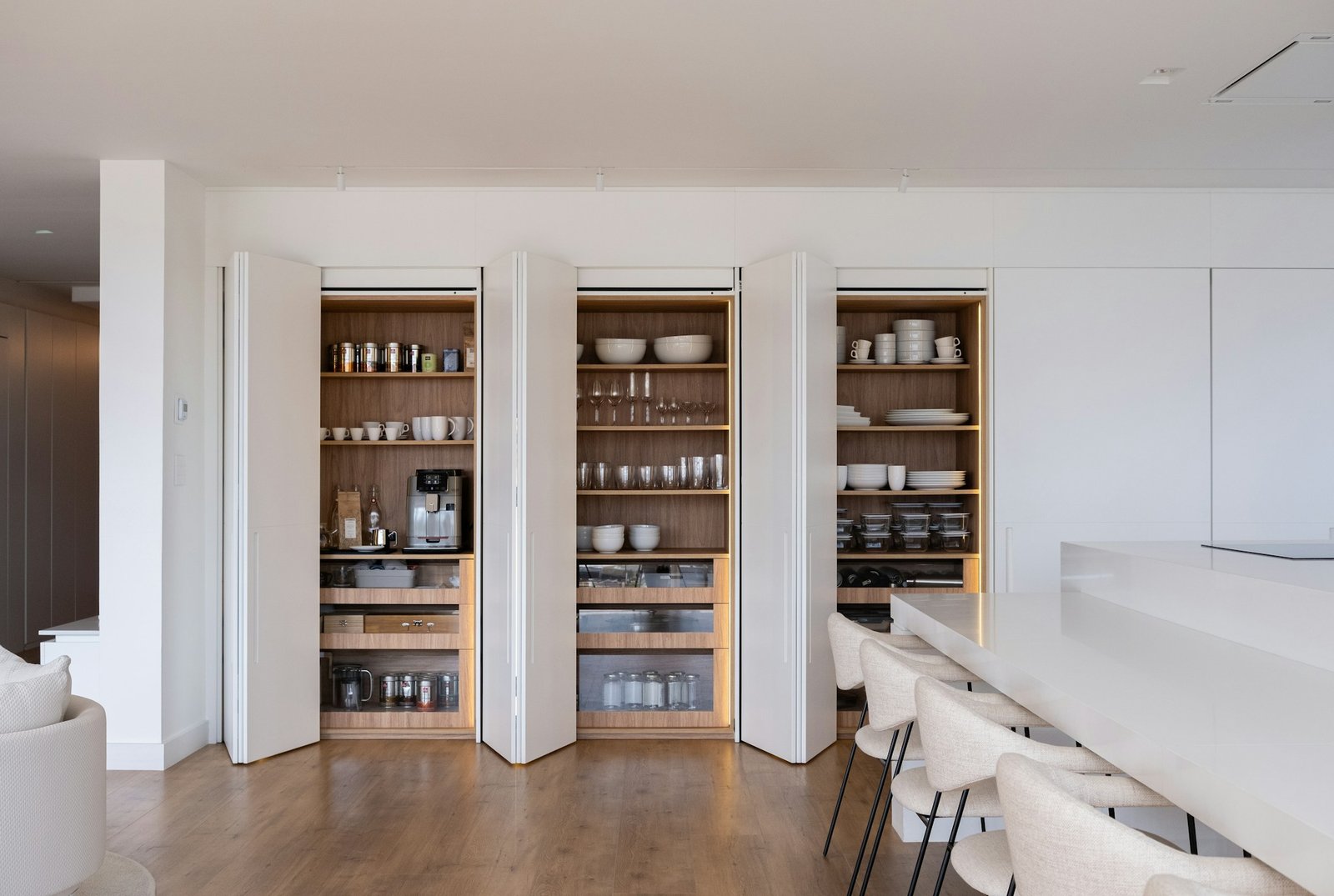
Kitchen Pantry Design in Gurgaon: Tall Units, Pull-Out Storage and Smart Space Planning
Home Library Design in Gurgaon: Built-In Shelves, Reading Corners and Smart Storage
Plywood vs MDF vs HDHMR for Home Interiors in Gurgaon: Which Material Should You Choose?
TV Unit Design Ideas in Gurgaon: Modern, Space-Saving and Practical Solutions
Pooja Room Interior Design in Gurgaon: Practical Ideas for Apartments and Builder Floors
Staircase Design Ideas for Gurgaon Homes: Materials, Railings, Lighting and Storage
Foyer and Entrance Design Ideas in Gurgaon: Storage, Lighting and Space-Saving Tips
Dining Room Design Ideas in Gurgaon: Layout, Furniture, Lighting and Storage
Senior-Friendly Home Interior Design in Gurgaon: A Practical Room-by-Room Guide
Home Renovation Checklist for Gurgaon: Before Work Starts to Handover
Kids’ Bedroom Interior Design in Gurgaon: Safe, Smart and Space-Saving Ideas
Bathroom Interior Design in Gurgaon: Tiles, Waterproofing, Storage and Cost
False Ceiling Design in Gurgaon: Types, Lighting, Costs and Practical Tips
Living Room Interior Design in Gurgaon: Layout, Lighting and Budget Tips
Builder Floor Interior Design Cost Gurgaon: Complete 2026 Budget Guide
Builder Floor Interior Design Ideas Gurgaon: Layout, Storage, Furniture & Cost Guide

Best Interior Designer in Gurgaon: 10 Companies to Compare in 2026
Bedroom Interior Design Ideas for Gurgaon Homes: Modern, Comfortable & Functional Spaces | 2026 Guide
Interior Designer in Sector 56 Gurgaon: A Practical Guide to Designing a Better Home
Interior Designer Near Golf Course Road Gurgaon: How to Choose the Right Studio
Home Renovation Company in South City Gurgaon: How to Plan a Smooth Remodel
Interior Design Services in Sushant Lok: Hire a Local Studio
Interior Designer in DLF Phase 1 Gurgaon: Local Projects & Process
Office Interior Design in Gurgaon for Startups & Small Teams: Cost Guide
Penthouse Interior Designer in Gurgaon: What to Expect from Consultation to Handover
Interior Design for Villas in Golf Course Extension: Process & Pricing
Modular Kitchen Designer in Gurgaon: Cost & Design Process
3 BHK Interior Design Package in Gurgaon: What’s Included, What’s Extra
Hire an Interior Designer in Gurgaon: A Practical Guide to Designing a Home You’ll Love
Beyond the Hype: What You Really Need to Know About Hiring Famous Interior Designers in Delhi
False Ceiling Design for Living Room: Luxury Ideas & Trends
L-Shaped Modular Kitchen Design: Luxury & Efficiency
Top Luxury Interior Design Company in Noida
Top Interior Designer in Noida | Turn Your Home into a Luxury Sanctuary with Homeworkdesigns
Duplex Interior Design in South Delhi: GK & Panchsheel Case Notes
Interior Design Cost for GK1 & GK2 Builder Floors: A 2026 Pricing Guide
Renovating a Resale Flat in Gurgaon: What to Check Before You Move In
DLF Phase 3 vs DLF Phase 5: How Builder Floor Interiors Differ
Interior Design Cost for 4BHK Independent Floors in Gurgaon
Interior Designer vs Contractor: Who Should You Actually Hire?
Kitchen Renovation Cost in Gurgaon 2026: Modular vs.Custom, What’s Worth It?
Luxury Interior Designers in Gurgaon | Home & Office | Homework Designs
How to Design a Small 1BHK Apartment in Gurgaon: 11 Space-Saving Ideas
Top Interior Designer in DLF Phase 1 Gurgaon | 2026 Cost & Services
Renovating a Home in Palam Vihar Gurgaon Is About More Than Just Upgrading Interiors
Home Interior Designer Sohna Road Gurgaon: Designing Homes That Feel Luxurious, Functional, and Truly Personal
Interior Designer Golf Course Extension Road: Creating Luxury Homes That Feel Effortless
Home Renovation Sector 56 Gurgaon: Transforming Everyday Homes Into Elegant Living Spaces