
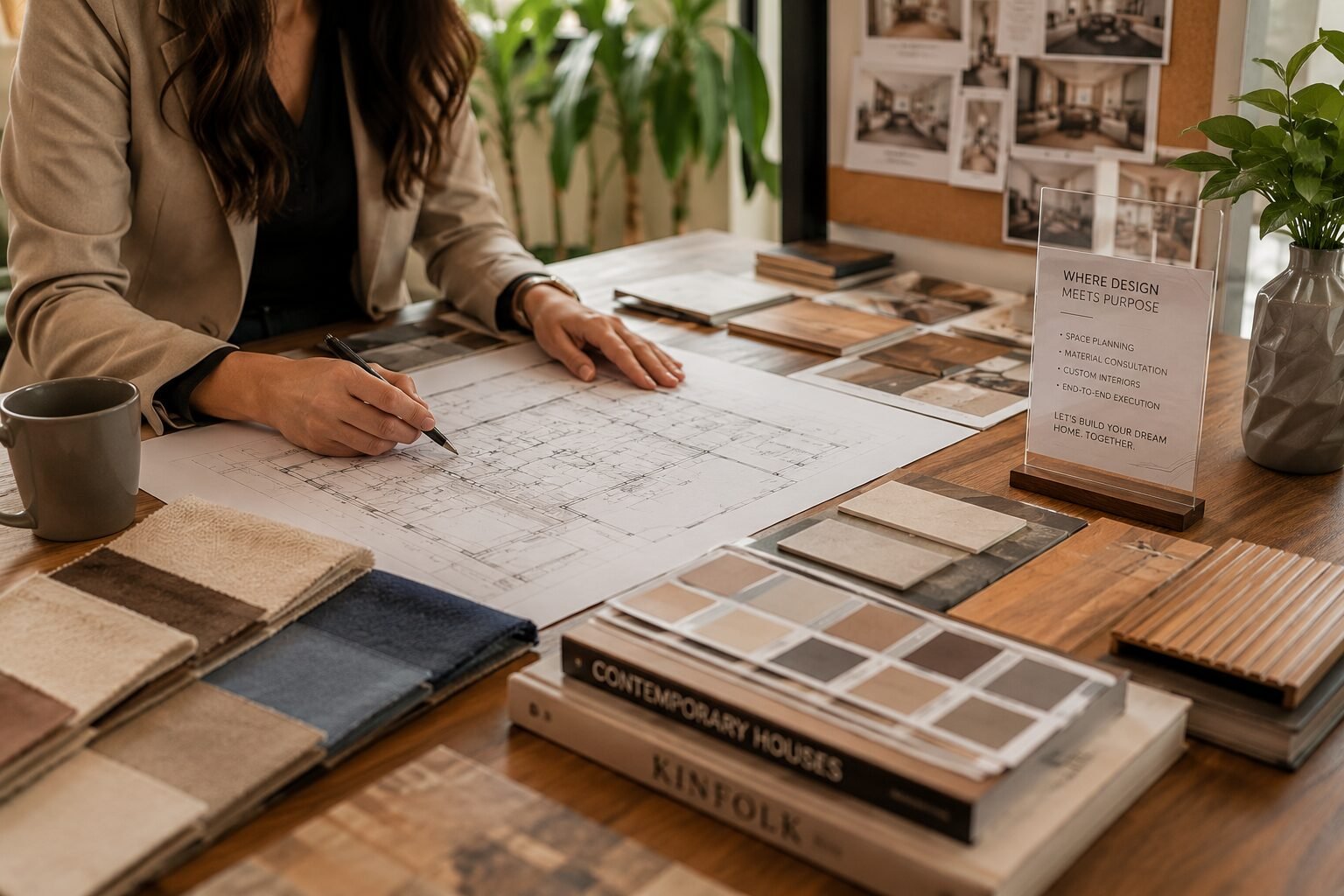
Interior Designer vs Contractor: Who Should You Actually Hire?
You’ve finally bought your dream home, or perhaps you’ve decided it is time to breathe new life into your current space. You have Pinterest boards overflowing with inspiration—plush velvet sofas, perfectly balanced warm lighting, and modular kitchens that look right out of a lifestyle magazine. But as the excitement settles, a daunting realization sets in: who is going to build all of this?
If you are navigating the real estate and renovation landscape in India, you will inevitably face the classic dilemma: Should I hire an interior designer or just work directly with a contractor?
It is a question that plagues almost every homeowner. Make the right choice, and you walk into a beautifully curated sanctuary that reflects your personality. Make the wrong one, and you might find yourself managing laborers daily, bleeding money on hidden costs, and staring at a living room that looks nothing like the mood board you envisioned.
In this comprehensive guide, we are going to demystify these two crucial roles. We will explore homeowner pain points, the hidden complexities of Indian renovations, and how to decide exactly which professional you need to bring your vision to life.
Understanding the Players: The Visionary vs. The Executor
To make an informed decision, you first need to understand the fundamental difference in how these two professionals operate. They are both essential to the ecosystem of home building, but they speak entirely different languages.
The Interior Designer: The Visionary and Planner
An interior designer is not just a decorator; they are spatial problem solvers. They look at a raw, empty room and see its ultimate potential. A designer takes the time to understand your lifestyle, your daily routines, your aesthetic preferences, and your budget.
When you opt for professional interior designing services, you are paying for expertise in spatial planning, ergonomics, 3D visualization, and comprehensive project management. Designers handle the nuances you might not even think of—like ensuring the kitchen counter height is perfect for your posture, or offering expert Color Consulting to make a compact room feel expansive and flooded with light. They create the master plan.
The Contractor: The Builder and Executor
A contractor, on the other hand, is the person who brings the blueprint into the physical world. They are masters of execution. Contractors manage the raw materials, the civil work, the plumbing, the electrical wiring, and the on-site labor force.
If you need a wall torn down, custom carpentry built from a highly specific technical drawing, or professional marble polishing to restore the gleam to your flooring, the contractor is the one who gets it done. However, they rely on you (or your designer) to tell them exactly what to do. They do not typically advise on whether a mid-century modern aesthetic pairs well with your chosen flooring; their job is simply to install the flooring you hand them.
The 5 Biggest Pain Points of Home Renovation (And Who Solves Them)
The Indian home renovation market can be chaotic. Let’s look at the most common challenges homeowners face and analyze how designers and contractors address them.
1. The Budget Spiral
The Challenge: You set a budget of ₹15 Lakhs for your home interiors. Halfway through the project, you realize you haven’t accounted for soft furnishings, high-end hardware, or the changing cost of plywood. Suddenly, you are staring at a ₹25 Lakh bill. The Solution: A contractor will usually give you an estimate based on standard materials, but as you make changes on the fly, costs balloon. An interior designer works backward from your budget. They know where to splurge (like statement lighting or a durable kitchen countertop) and where to save (using clever restyling services for existing furniture) to ensure the final bill aligns with your initial expectations.
2. The Material Maze
The Challenge: You walk into a hardware and laminate market. There are a thousand types of veneers, laminates, marbles, and tiles. Which one is durable? Which one is waterproof? Which one just looks cheap under natural light? The Solution: If you hire only a contractor, you are going to be making these trips yourself. You will have to trust the salesperson. A designer, however, brings the curated samples to you. They possess a deep, technical understanding of material longevity. They know which laminates resist scratching in a house with toddlers and which fabrics fade in the harsh Indian summer sun.
3. Timeline Nightmares and Delays
The Challenge: “It will be done by Diwali,” the laborers promise. Christmas arrives, and you are still living out of suitcases because the modular kitchen hasn’t been fitted. The Solution: Managing a timeline requires coordinating plumbers, electricians, carpenters, and painters in a highly specific sequence. If the electrician is late, the painter cannot start. When you hire a contractor directly, you often have to act as the project manager, chasing down laborers. A professional interior design firm acts as your single point of contact, absorbing this stress and holding their dedicated teams accountable to strict deadlines.
4. The Cohesion Crisis
The Challenge: You buy a beautiful emerald green sofa. You ask the contractor to paint the walls a warm beige. You select dark wooden floors. Individually, everything looks great. Put together in your living room, the space feels heavy, mismatched, and visually exhausting. The Solution: Contractors execute in silos. Designers think in holistic visual ecosystems. Through dedicated Color Consulting and 3D rendering, a designer ensures that every single element—from the warmth of the LED lights to the texture of the curtains—speaks the same visual language before a single rupee is spent.
5. Managing Unforeseen Site Issues
The Challenge: The wall you wanted to break down conceals a major plumbing pipe. What do you do now? The Solution: A contractor will ask you for a decision and wait for your command, halting work. An interior designer will creatively pivot, perhaps designing a beautiful faux-pillar or a customized shelving unit around the pipe, turning a structural defect into a stunning design feature.
Scenario Breakdown: Who Should You Choose?
Still on the fence? Let’s look at a few common homeowner scenarios to help you make the definitive choice.
Scenario A: The Micro-Manager with a Clear Vision
You have a background in design or construction. You know exactly what you want, down to the brand of hinges for your cabinets. You have the time to visit the site every single day, haggle with material vendors in the local market, and you don’t mind getting your hands dirty managing laborers. Verdict: Hire a Contractor. If you are acting as your own project manager and visionary, you just need skilled hands to execute your exact commands.
Scenario B: The Quick Facelift
You aren’t breaking walls or changing the layout. You just want to refresh your home for the festive season. You need a fresh coat of paint, some marble polishing, and maybe some new upholstery for your dining chairs. Verdict: Hire a Contractor or seek specialized restyling services. For purely cosmetic updates that don’t require spatial planning or 3D visualization, direct execution is faster and more cost-effective.
Scenario C: The Busy Professional Building a Sanctuary
You work long hours. You value your weekends and want to spend them with your family, not arguing with carpenters over the alignment of a wardrobe door. You want a home that feels like a luxury hotel but functions perfectly for a family. You want an end-to-end solution where you just walk in with your suitcases when the work is done. Verdict: Hire an Interior Designer. Your peace of mind, time, and the guaranteed aesthetic outcome make the designer’s fee an investment, not an expense.
Scenario D: The Blank Canvas (New Apartment or Villa)
You have just received possession of a bare-shell apartment. It needs everything: flooring, false ceilings, electrical layouts, plumbing shifts, and end-to-end furniture. Verdict: Hire an Interior Designer. The complexity of a bare-shell project requires intricate 2D technical drawings for the electrical and plumbing teams before any aesthetic work even begins. Without a designer, the margin for costly structural errors is incredibly high.
The Myth of the “Expensive” Interior Designer
The biggest misconception in the Indian home design market is that hiring an interior designer is an unnecessary luxury that will inflate your budget. In reality, a good interior designer pays for themselves.
How? By preventing expensive mistakes.
Imagine buying a custom king-sized bed, only to realize once it is installed that you cannot fully open your wardrobe doors. Imagine tiling your entire bathroom, only to realize the slope is wrong and water pools in the corner, requiring you to tear it all up and start again. Imagine buying expensive imported lights, only to find out your current wiring cannot support the load.
Contractors will build what you tell them to, even if what you are telling them is functionally flawed. Designers anticipate these flaws. They optimize your floor plan down to the last millimeter. Furthermore, established design studios have access to trade discounts on furniture, fabrics, and decor that are not available to regular retail consumers.
When you factor in the time saved, the trade discounts, and the complete elimination of costly re-dos, professional interior designing services emerge as a highly economical choice for large-scale projects.
The Ultimate Solution: The Turnkey Design Studio
What if you didn’t have to choose between the visionary and the executor? What if you could have both, operating under one roof, in perfect harmony?
This is where the Turnkey Design model comes in, and it is revolutionizing how modern Indian homes are built. In a turnkey model, the interior design firm houses both the creative designers and the execution teams (contractors, carpenters, civil engineers).
This eliminates the biggest headache in home renovation: the blame game. When you hire a designer and a contractor separately, any mistake leads to finger-pointing. The designer blames the contractor for poor execution; the contractor blames the designer for unrealistic plans.
With a turnkey studio, you hold one entity accountable. From the first conceptual sketch and Color Consulting session to the final round of marble polishing and fluffing the cushions on your new sofa, one unified team handles it all seamlessly.
Why Make homeworkdesigns Your Partner in Home Building?
At homeworkdesigns, we believe that your home should be the ultimate expression of who you are. We understand that embarking on a renovation journey can feel overwhelming, which is why we have engineered a process that is entirely focused on your comfort, transparency, and joy.
We don’t just design houses; we craft lifestyles.
When you choose to work with us, you aren’t just getting standard interior designing services. You are getting a dedicated team that listens deeply to your needs. Whether it is incorporating heirloom furniture into a modern aesthetic through our premium restyling services, or executing a complete bare-shell transformation, we bring a meticulous eye for detail to every square foot.
We bridge the gap between world-class design and flawless execution. Our in-house network of trusted craftsmen, contractors, and project managers ensures that what you see in our breathtaking 3D renders is exactly what gets built in your home—on time, and on budget.
Your dream home shouldn’t be a source of stress; it should be a journey of joyful anticipation. Are you ready to stop managing laborers and start experiencing the luxury of professional, empathetic design?
Let’s build something beautiful together. Reach out to our team of experts today and take the first step toward the home you’ve always deserved.
Book Your Free Design Consultation with homeworkdesigns Today!
Frequently Asked Questions (FAQ)
1. Is it cheaper to just hire a contractor instead of an interior designer? On paper, a contractor’s upfront quote might look cheaper because it does not include design fees. However, contractors execute without a holistic plan. Homeowners often end up spending much more on fixing mistakes, buying un-optimized materials, and dealing with project delays. An interior designer optimizes your budget and prevents costly errors, often saving you money in the long run.
2. Can an interior designer work with a contractor I have already chosen? Yes. Many interior designers offer “design-only” services where they provide the 3D renders, 2D technical drawings, and material specifications. You can then hand these blueprints to your own contractor to execute. However, you will be responsible for ensuring the contractor follows the designer’s exact specifications.
3. What is included in professional interior designing services? Comprehensive services usually include spatial planning, 2D layout drawings (plumbing, electrical, ceiling), 3D visual rendering, material selection, Color Consulting, furniture design/sourcing, and on-site project management to ensure the execution matches the design.
4. Do I need a designer if I only want to update one room? Not necessarily, but it helps. If you are just doing minor cosmetic changes, restyling services might be all you need. However, if the room requires new custom furniture, electrical shifts, or a complete layout change (like a kitchen or bathroom remodel), a designer’s expertise is highly recommended to ensure the space is functional.
5. How long does a standard home interior project take in India? Timelines vary based on the scope of work. A minor cosmetic upgrade might take 3 to 4 weeks. A full 3BHK apartment renovation with custom carpentry, civil work, and finishing (like marble polishing and painting) typically takes anywhere from 45 to 90 days, provided you are working with a professional turnkey design team that manages the schedule efficiently.


Related Posts

Living Room Interior Design in Gurgaon: Layout, Lighting and Budget Tips

Builder Floor Interior Design Cost Gurgaon: Complete 2026 Budget Guide
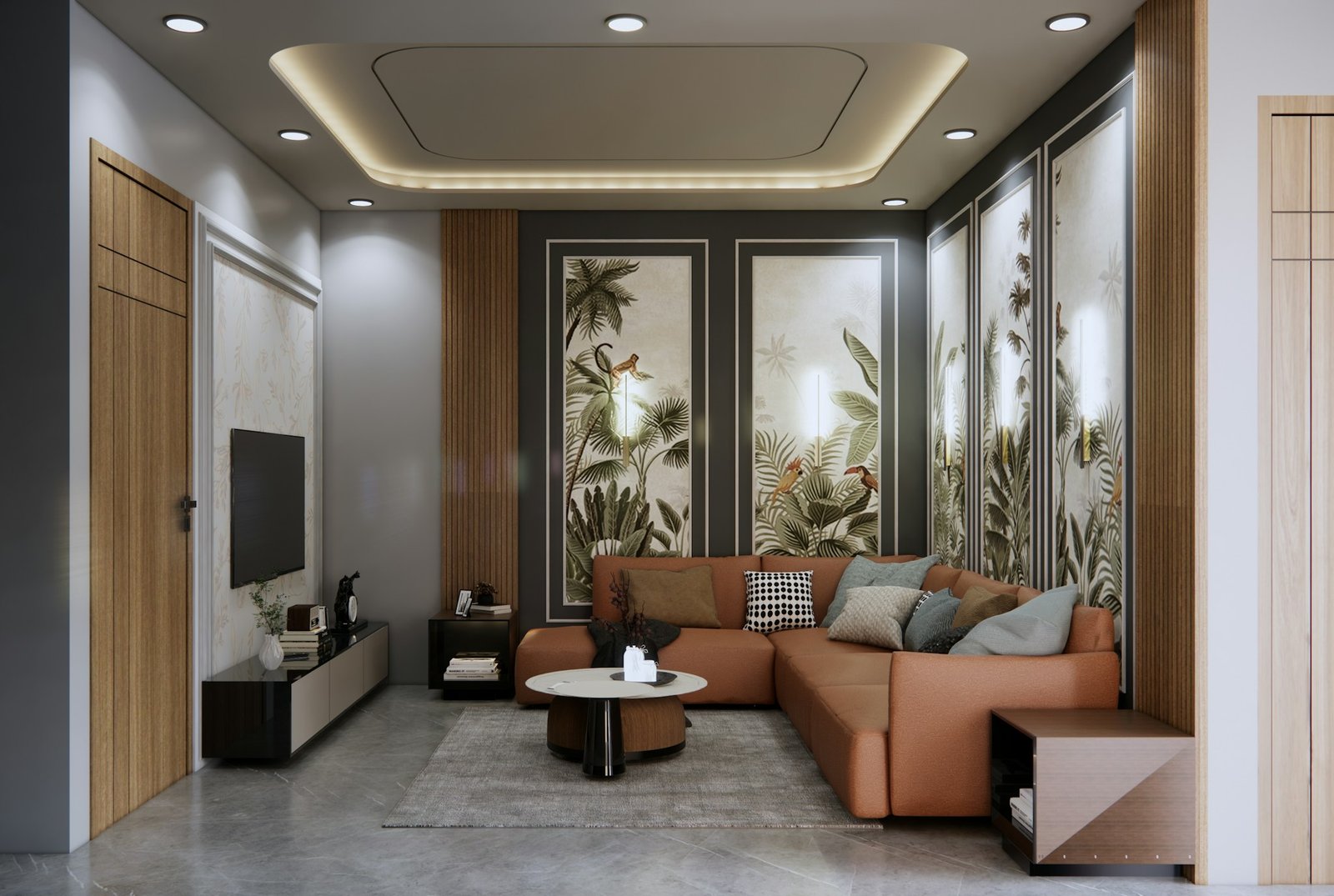
Builder Floor Interior Design Ideas Gurgaon: Layout, Storage, Furniture & Cost Guide

Best Interior Designer in Gurgaon: 10 Companies to Compare in 2026
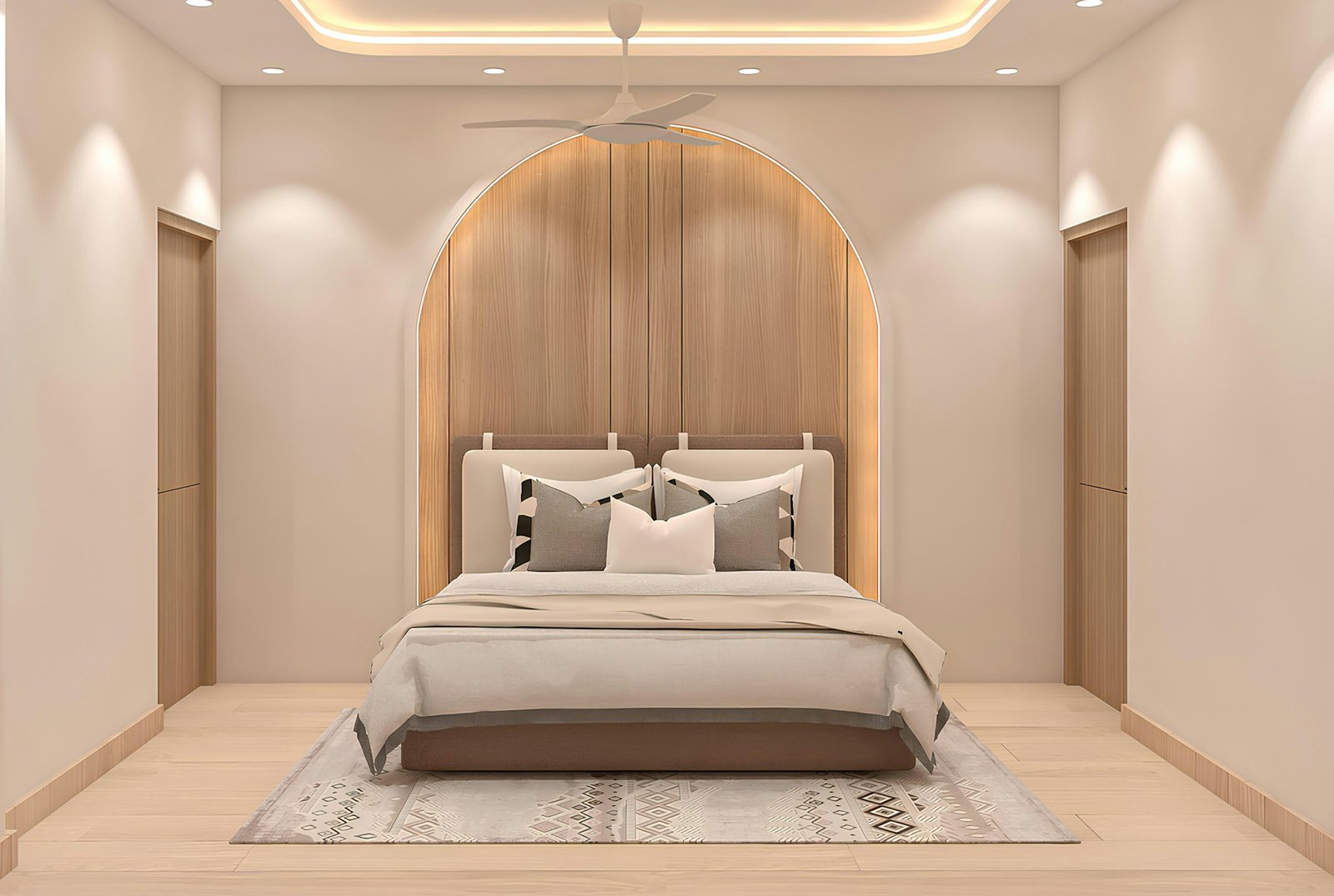
Bedroom Interior Design Ideas for Gurgaon Homes: Modern, Comfortable & Functional Spaces | 2026 Guide
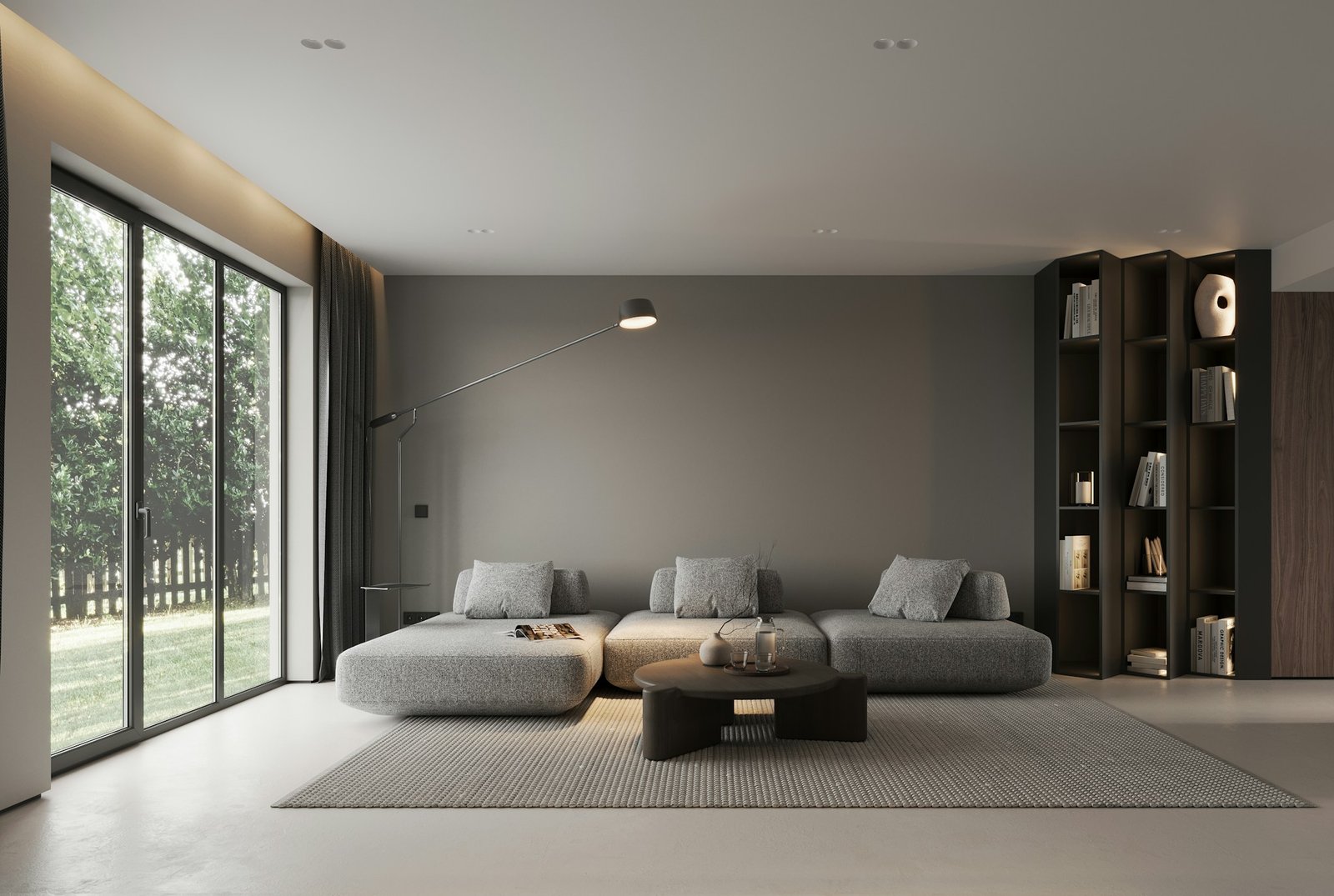
Interior Designer in Sector 56 Gurgaon: A Practical Guide to Designing a Better Home

Interior Designer Near Golf Course Road Gurgaon: How to Choose the Right Studio
Home Renovation Company in South City Gurgaon: How to Plan a Smooth Remodel
Interior Design Services in Sushant Lok: Hire a Local Studio
Interior Designer in DLF Phase 1 Gurgaon: Local Projects & Process
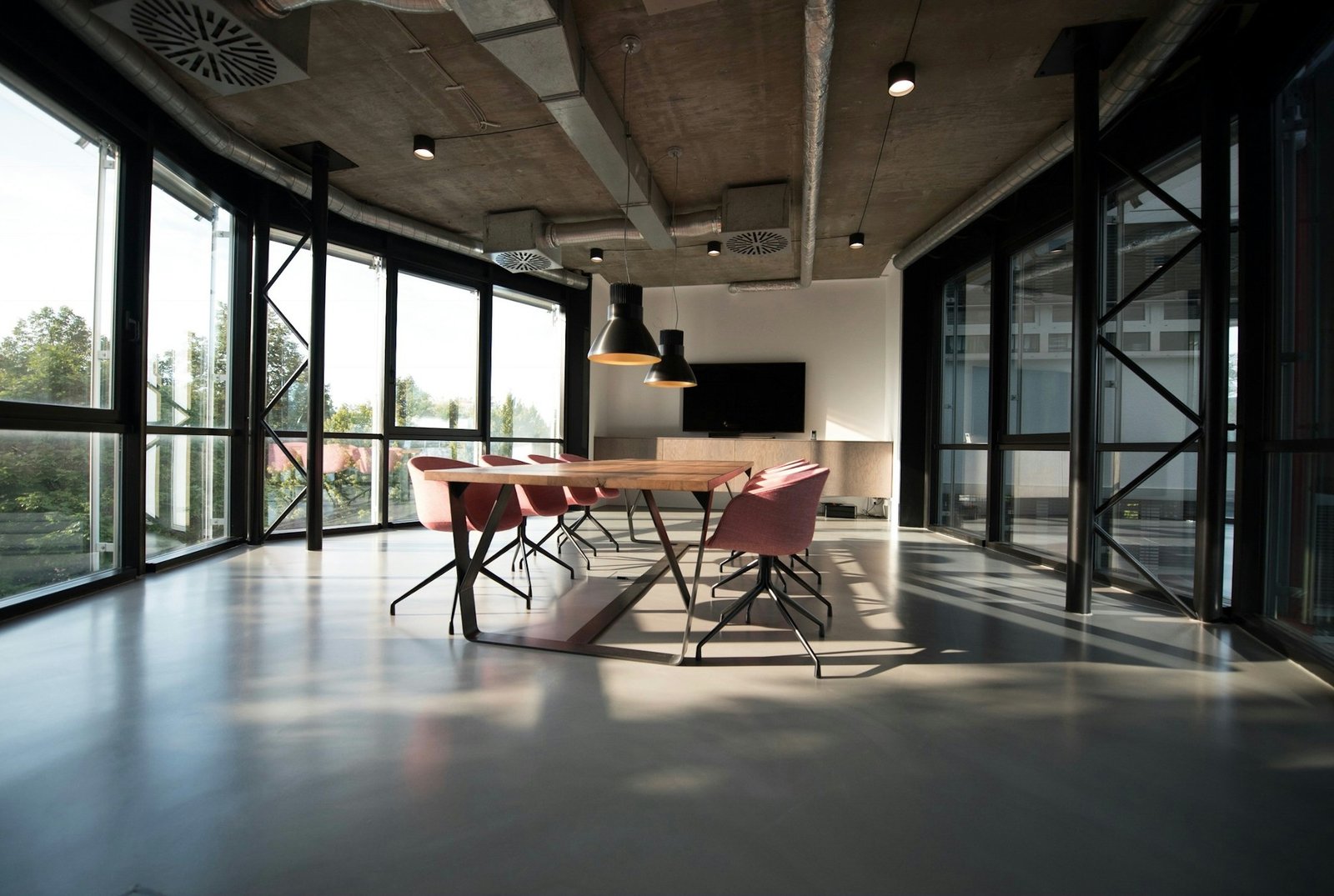
Office Interior Design in Gurgaon for Startups & Small Teams: Cost Guide
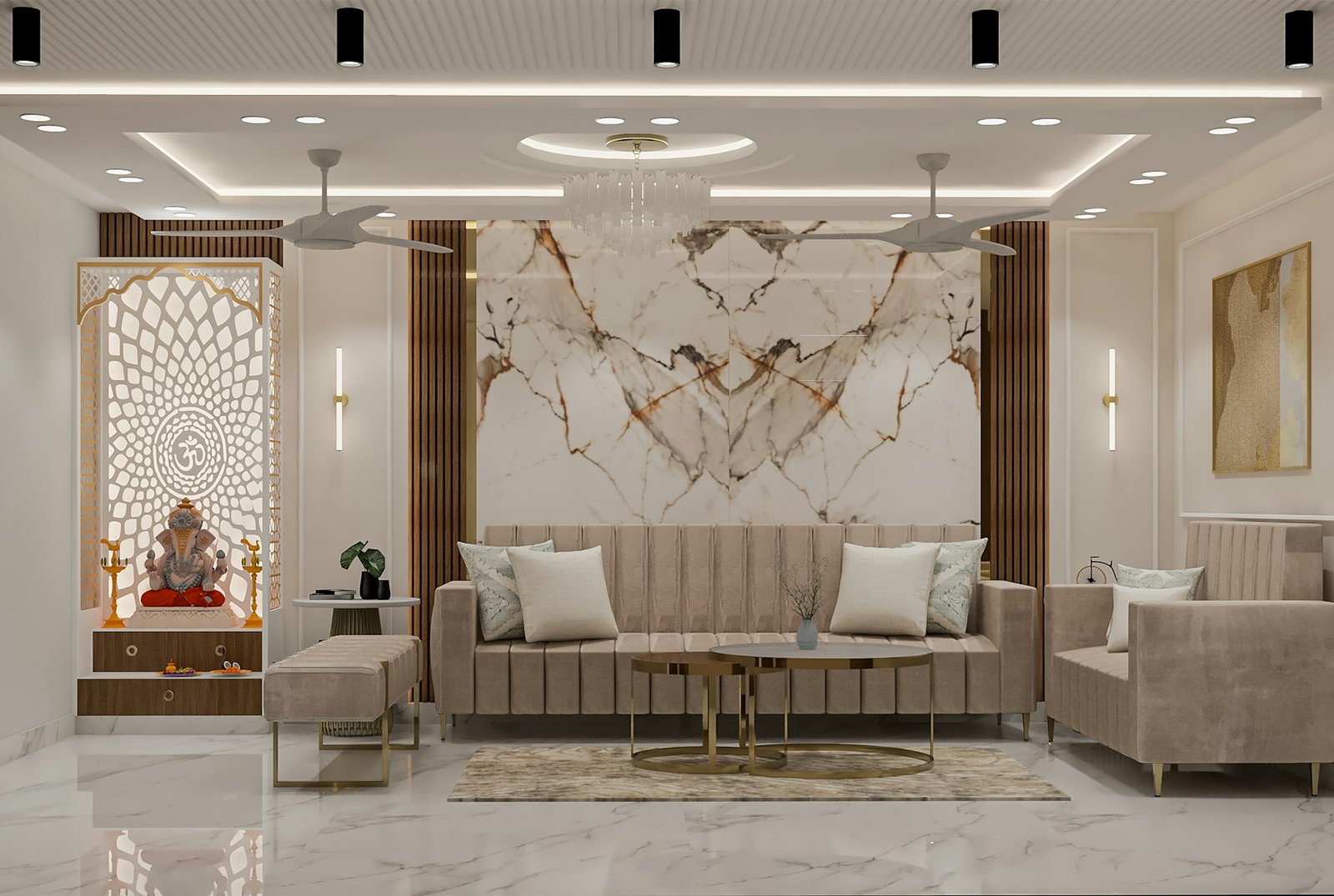
Penthouse Interior Designer in Gurgaon: What to Expect from Consultation to Handover

Interior Design for Villas in Golf Course Extension: Process & Pricing
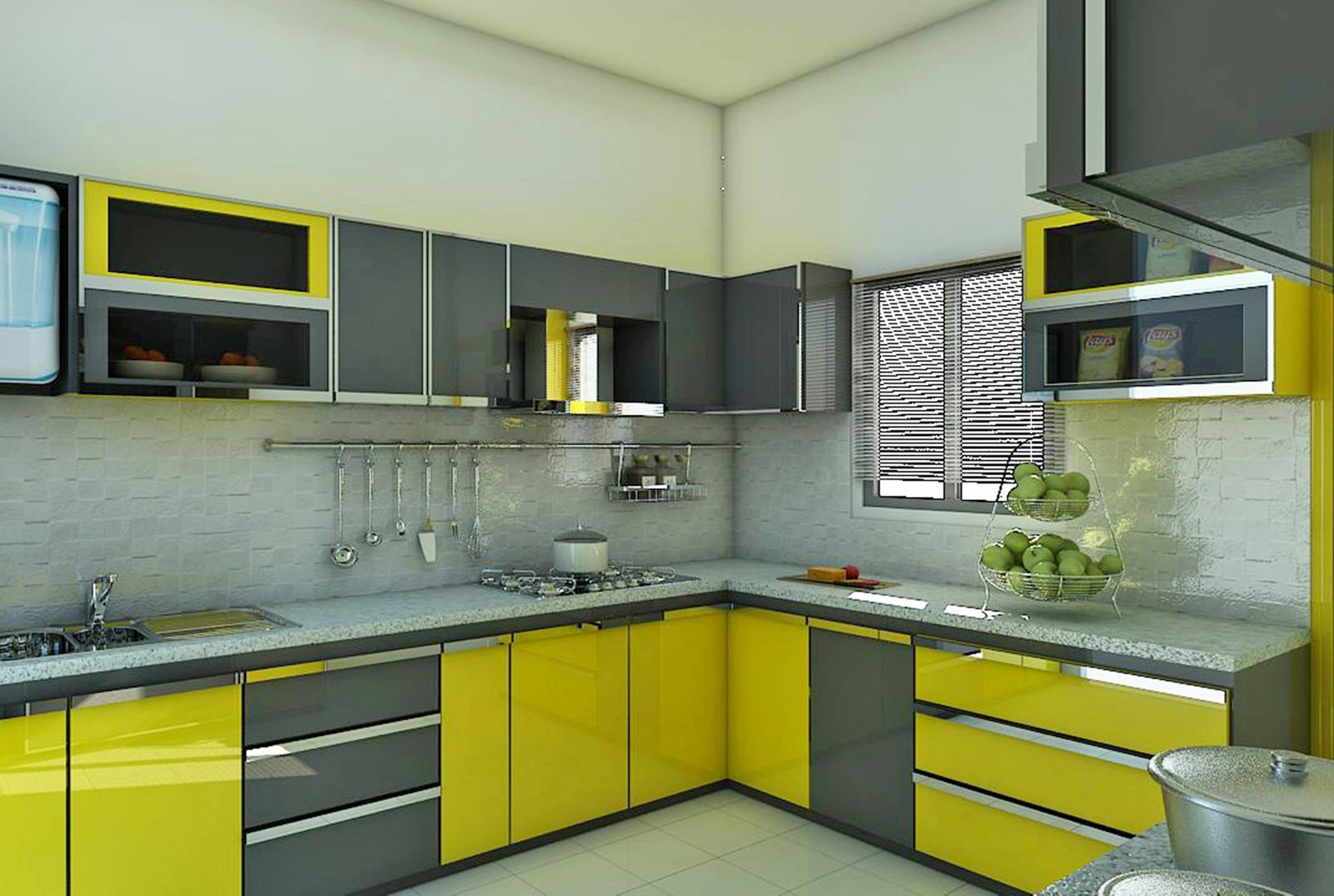
Modular Kitchen Designer in Gurgaon: Cost & Design Process

3 BHK Interior Design Package in Gurgaon: What’s Included, What’s Extra
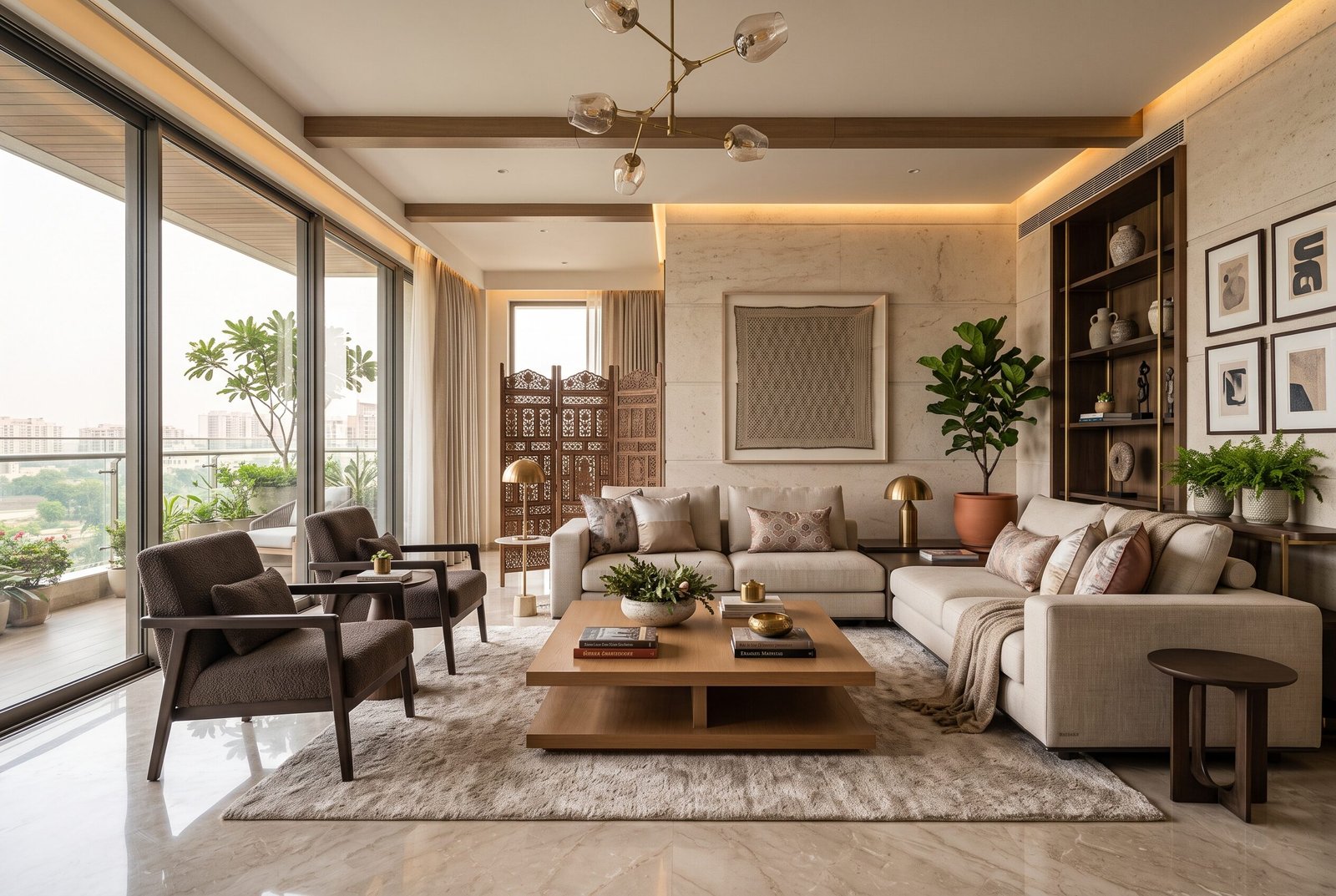
Hire an Interior Designer in Gurgaon: A Practical Guide to Designing a Home You’ll Love

Beyond the Hype: What You Really Need to Know About Hiring Famous Interior Designers in Delhi
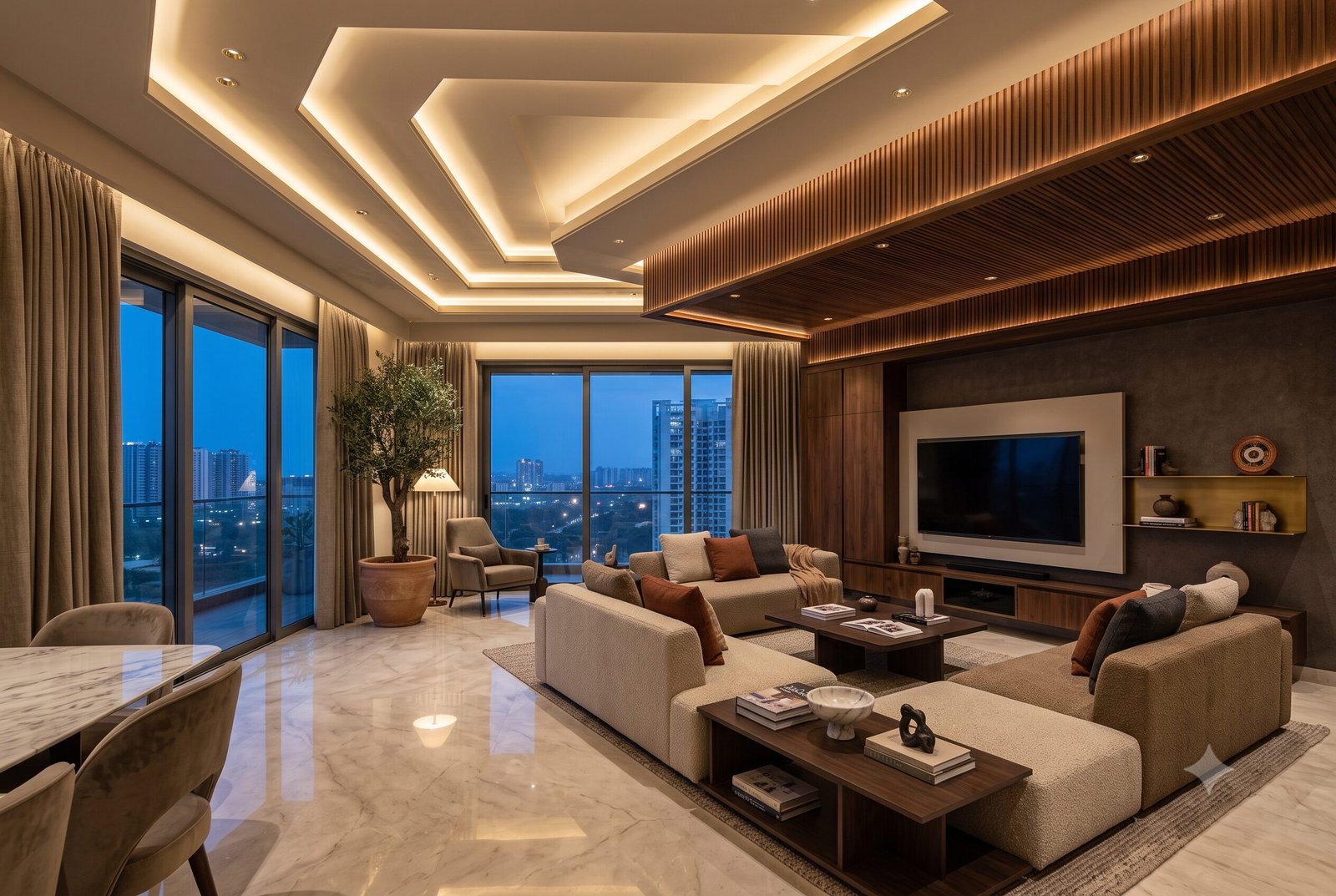
False Ceiling Design for Living Room: Luxury Ideas & Trends
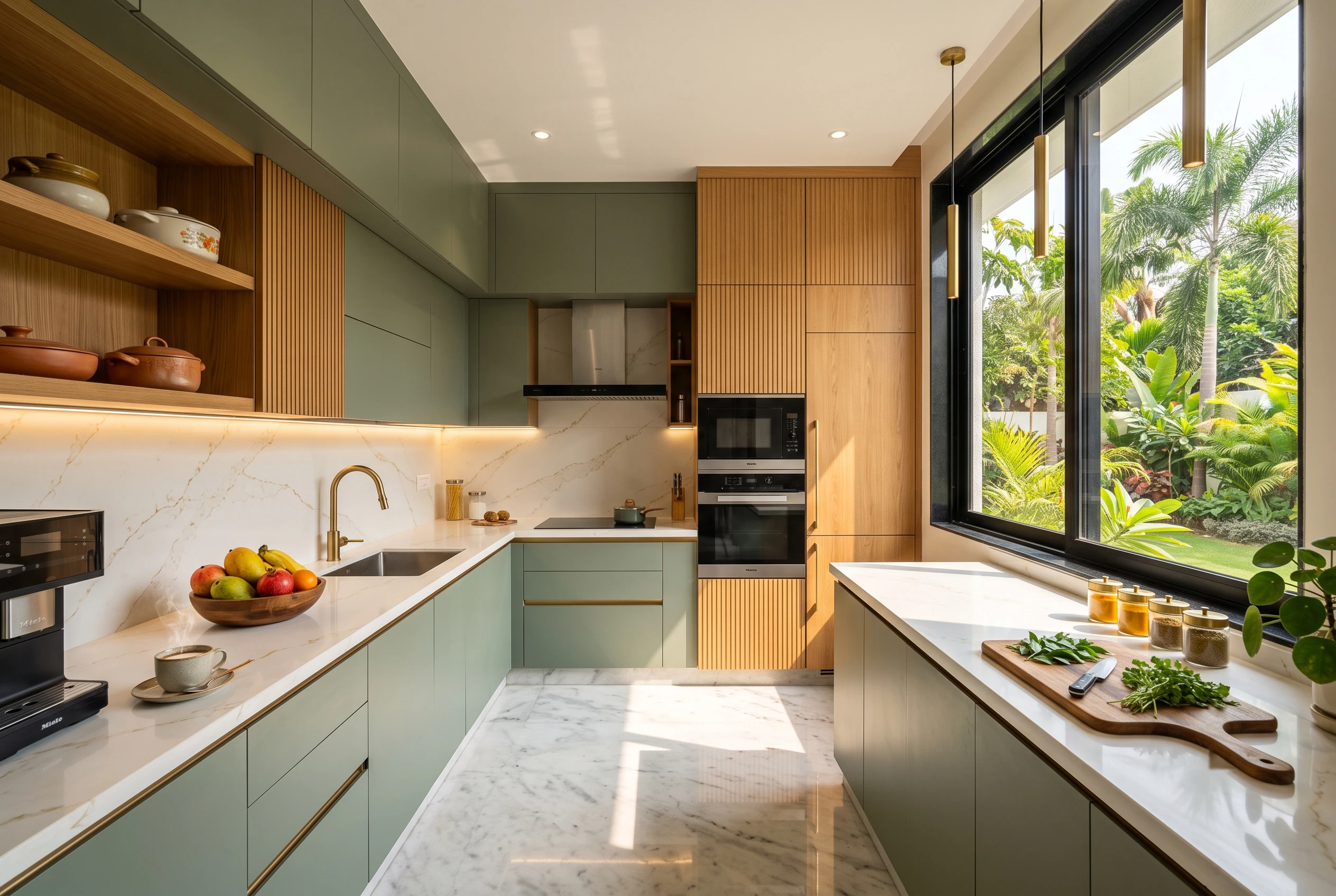
L-Shaped Modular Kitchen Design: Luxury & Efficiency
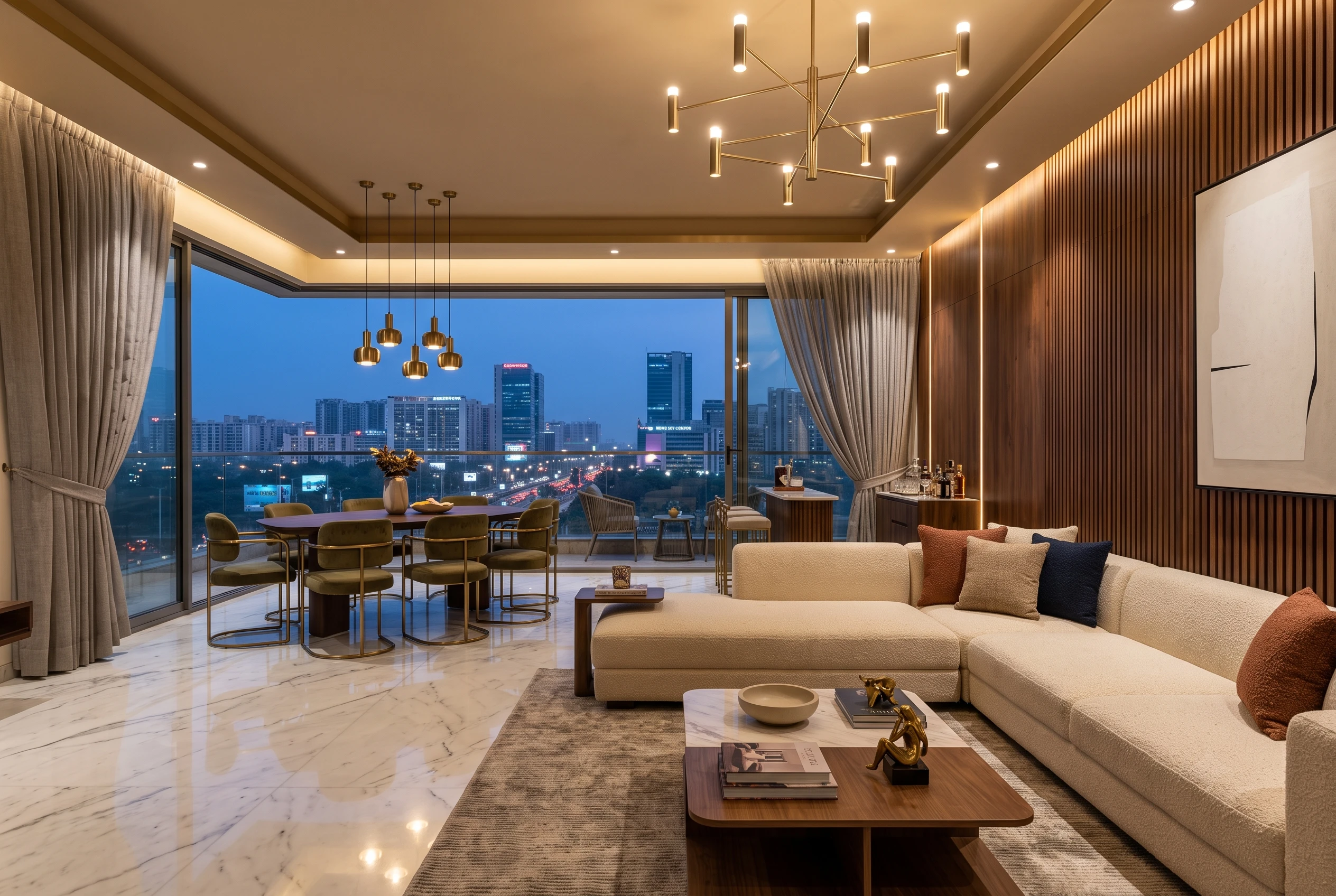
Top Luxury Interior Design Company in Noida

Top Interior Designer in Noida | Turn Your Home into a Luxury Sanctuary with Homeworkdesigns

Duplex Interior Design in South Delhi: GK & Panchsheel Case Notes

Interior Design Cost for GK1 & GK2 Builder Floors: A 2026 Pricing Guide
Renovating a Resale Flat in Gurgaon: What to Check Before You Move In
DLF Phase 3 vs DLF Phase 5: How Builder Floor Interiors Differ

Interior Design Cost for 4BHK Independent Floors in Gurgaon
Kitchen Renovation Cost in Gurgaon 2026: Modular vs.Custom, What’s Worth It?

Luxury Interior Designers in Gurgaon | Home & Office | Homework Designs
How to Design a Small 1BHK Apartment in Gurgaon: 11 Space-Saving Ideas

Top Interior Designer in DLF Phase 1 Gurgaon | 2026 Cost & Services

Renovating a Home in Palam Vihar Gurgaon Is About More Than Just Upgrading Interiors
Home Interior Designer Sohna Road Gurgaon: Designing Homes That Feel Luxurious, Functional, and Truly Personal
Interior Designer Golf Course Extension Road: Creating Luxury Homes That Feel Effortless

Home Renovation Sector 56 Gurgaon: Transforming Everyday Homes Into Elegant Living Spaces