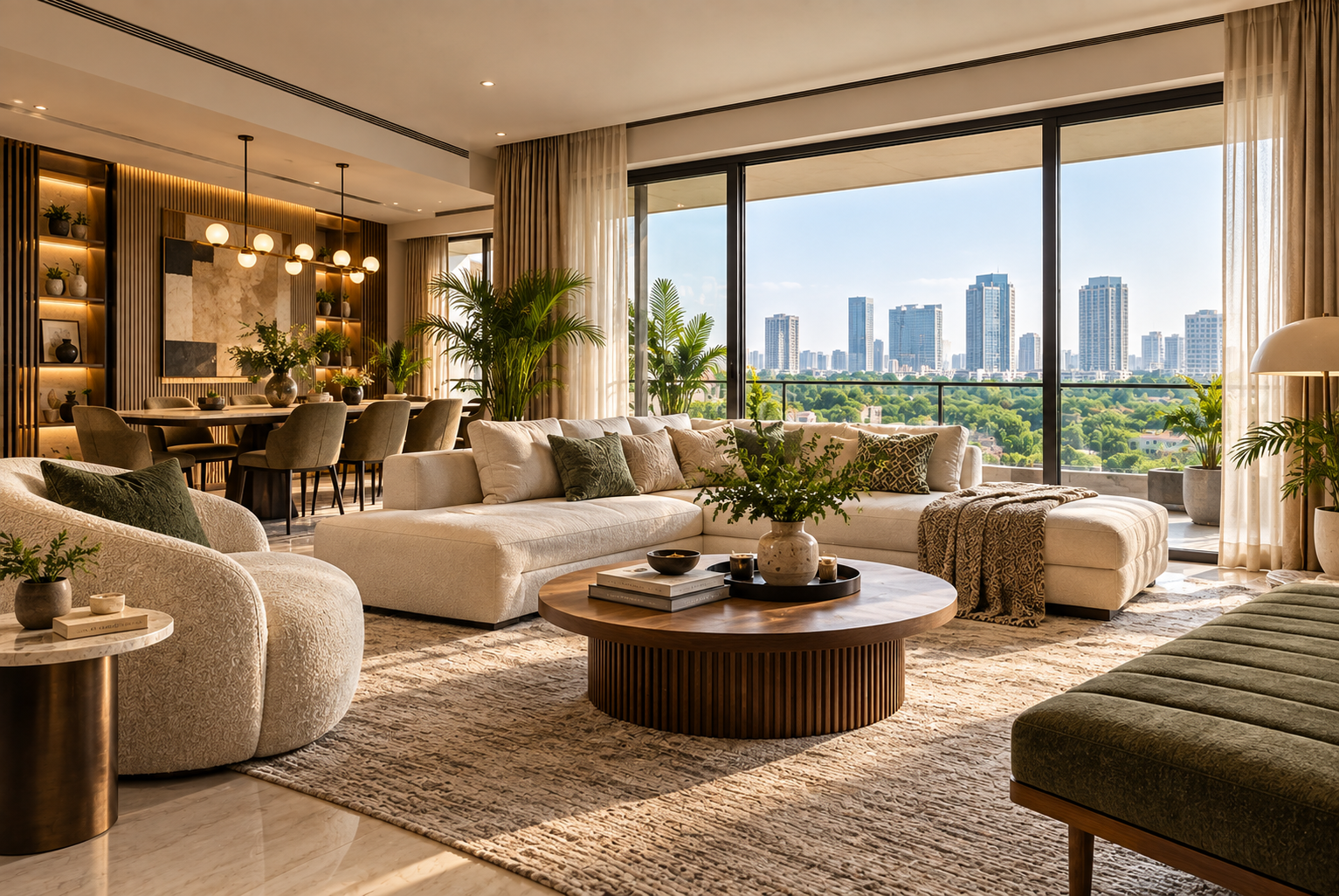
Farmhouse Interior Designer Gurgaon: A Complete Guide to Luxury Farmhouse Interiors
A farmhouse in Gurgaon is not simply a larger version of a city home. It offers a different relationship between architecture, landscape, privacy, entertaining and everyday living. The best farmhouse interiors make those elements work together so the house feels connected to its surroundings without sacrificing the comfort and refinement expected from a modern home.
If you are looking for a farmhouse interior designer in Gurgaon, the real challenge is finding a design approach that works across a much larger and more varied property. Living rooms, bedrooms, kitchens, guest areas, outdoor spaces, pool zones, terraces and service areas all need to feel part of one cohesive plan. At the same time, the home should reflect the people who use it rather than looking like a generic luxury resort.
Why Farmhouse Interior Design in Gurgaon Needs a Different Approach
Urban apartment interiors are usually designed around a fixed footprint and a relatively predictable circulation pattern. A farmhouse gives you more freedom, but that freedom creates more decisions. The designer has to consider how people arrive at the property, how the entrance connects to the main house, how indoor and outdoor areas interact, where guests gather, how bedrooms remain private and how the house works when it is occupied by a small family as well as during larger gatherings.
Current farmhouse-focused design studios in the Gurgaon and Delhi NCR market commonly emphasise natural materials, large open spaces, indoor-outdoor connections, personalised planning and a balance between rustic character and contemporary comfort. Some also combine architecture, interiors and turnkey execution rather than treating the interior as a standalone layer.
That makes the brief much broader than choosing furniture and wall colours. A successful farmhouse interior begins with understanding the property as a complete environment.
What Should a Gurgaon Farmhouse Interior Feel Like?
There is no single farmhouse style that every Gurgaon homeowner should follow. One property may suit a contemporary luxury aesthetic with clean stone surfaces and large glass openings. Another may feel better with warm timber, handcrafted details and softer textures. A third could combine Indian materials and traditional references with modern furniture.
The common thread should be comfort and connection to the setting. Natural daylight, greenery, generous seating, tactile materials and thoughtful transitions between inside and outside can make a farmhouse feel relaxed without making it look unfinished.
1. Start With the Property, Not a Pinterest Style
Before deciding on a design theme, study the property. Where does the morning light enter? Which rooms have the strongest views? How does the garden connect to the living areas? Where are the best places for outdoor seating? Is there a pool, lawn, terrace, courtyard or covered veranda that should become part of the main experience?
These questions often lead to better design decisions than starting with a style label. The architecture and landscape should influence the interiors rather than being treated as separate projects.
2. Design Strong Indoor-Outdoor Connections
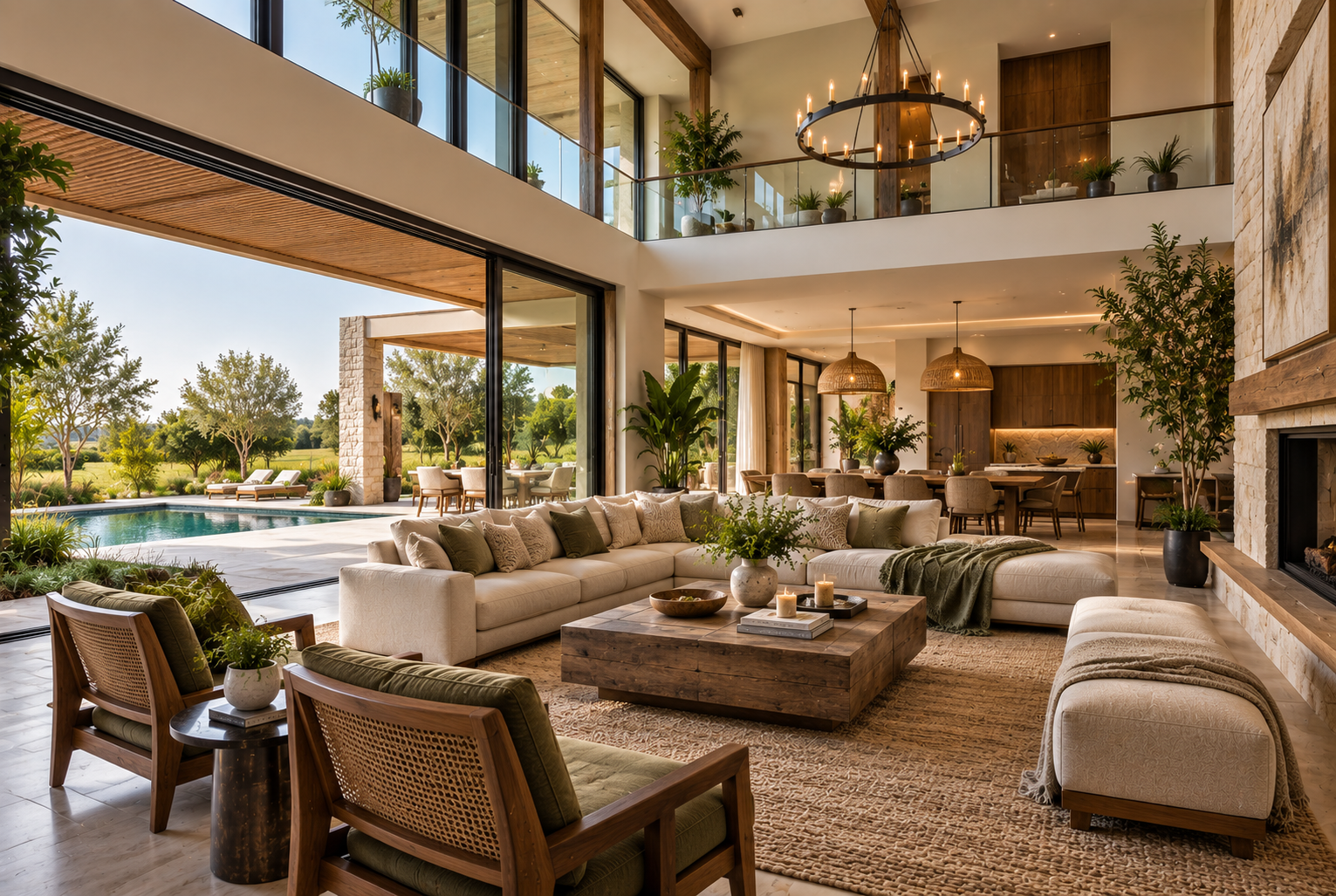
One of the biggest advantages of a farmhouse is the ability to create a stronger connection with nature. Large openings, sliding glass doors, shaded sit-outs, verandas and carefully positioned windows can make the landscape feel like part of the interior.
But more glass is not automatically better. Gurgaon summers can be intense, and a good design needs to consider heat, glare, shading, privacy and energy use. Curtains, screens, deep overhangs, landscape buffers and appropriate glazing can help balance openness with comfort.
3. Make the Living Room the Social Heart of the Farmhouse
A farmhouse living room usually needs to support more than one type of gathering. There may be quiet family evenings, weekend entertaining, celebrations and larger groups of guests. Instead of creating one oversized seating arrangement, consider multiple conversational zones.
A main sofa can anchor the room while lounge chairs, a secondary seating area or a reading corner create flexibility. In a large room, rugs, lighting and furniture orientation can define zones without building unnecessary walls.
If the living room has a high ceiling, scale becomes particularly important. Large artwork, vertical timber details, statement lighting and tall curtains can use the height effectively without filling every wall with decoration.
4. Use Natural Materials Without Making the Home Look Rustic
Natural materials work particularly well in farmhouse interiors because they reinforce the connection with the landscape. Stone, timber, linen, cane, textured plaster, metal and handcrafted surfaces can introduce warmth and depth.
The key is balance. If every surface is heavily textured or rustic, the home can start feeling themed rather than sophisticated. Pair natural materials with clean-lined furniture, contemporary lighting and restrained colours to create a more current interpretation of farmhouse living.
5. Plan a Kitchen for Everyday Living and Entertaining
A farmhouse kitchen often has to work harder than an apartment kitchen. It may need to support daily family meals, weekend entertaining, larger gatherings and sometimes separate service requirements. This makes workflow and storage more important than simply creating a beautiful cabinetry wall.
A practical layout can include a generous worktop, pantry storage, integrated appliances, a strong preparation zone and enough space for more than one person to move comfortably. If the kitchen opens into the dining or living area, the cabinetry and materials should also complement the broader interior palette.
For more detailed planning, see our guide to modular kitchen design in Gurgaon.
6. Give Bedrooms a Quieter, More Personal Character
Bedrooms in a farmhouse should feel removed from the activity of the main entertaining areas. Where the architecture permits, views of greenery, private balconies, courtyards or garden-facing windows can become part of the experience.
Instead of copying the same bedroom design throughout the house, keep a consistent material language while allowing each room to have its own personality. Soft upholstery, warm wood, layered lighting, comfortable seating and well-planned wardrobes can create bedrooms that feel residential rather than hotel-like.
Our bedroom interior design guide for Gurgaon homes covers additional planning ideas that can be adapted to larger residential spaces.
7. Create a Farmhouse Dining Area That Encourages Gathering
Dining is often one of the most important experiences in a weekend farmhouse. A large dining table can become a social anchor, but the surrounding space should remain comfortable and easy to move through.
Consider the relationship between the dining table, kitchen, outdoor seating and garden. If meals frequently move outdoors, a nearby covered dining or serving zone can make the transition much easier. Lighting should also support both everyday dinners and larger gatherings without making the room feel overly formal.
8. Treat the Staircase and Corridors as Part of the Design
Large farmhouse homes can have long circulation paths, staircases and transitional spaces that are easy to overlook. These areas do not need excessive decoration, but they should feel intentional.
A staircase can become an architectural feature through timber, stone, metal, glass or concealed lighting. Corridors can use artwork, niches, windows, textured walls or carefully placed furniture to create rhythm without reducing usable space.
9. Plan Lighting Around the Way the Farmhouse Is Used
Lighting becomes especially important when a farmhouse has large rooms, outdoor areas and multiple activity zones. A good plan should combine ambient lighting with task and accent lighting instead of depending on one ceiling fixture per room.
Warm indirect lighting can make timber and stone feel richer at night. Pendant fixtures can define dining or kitchen zones, while wall lights and landscape lighting can extend the experience outdoors. Paths, steps and pool areas also need practical lighting that supports safe movement.
10. Outdoor Areas Should Be Designed With the Interiors
For a farmhouse, the garden, pool deck, terrace and sit-out are not secondary spaces. They can be some of the most frequently used parts of the property.
The furniture, flooring, lighting and materials around these spaces should therefore relate to the interior. A living room opening onto a garden can use similar tones and textures so the transition feels natural. Outdoor furniture should also be selected for Gurgaon weather rather than only for appearance.
11. Build Storage Into the Architecture
Large homes can accumulate more belongings than expected. Guest rooms need wardrobes, bedrooms need everyday storage, kitchens need pantry capacity and entertaining areas may require crockery, linen and serving storage.
Instead of adding cabinets after the design is finished, identify storage requirements during space planning. Full-height wardrobes, concealed utility storage, built-in cabinetry, under-stair storage and custom furniture can keep the farmhouse visually clean.
12. Add Luxury Through Proportion and Craftsmanship
A luxury farmhouse does not need every wall to have marble or every room to contain a statement piece. The premium feel usually comes from proportion, detailing, material quality and consistency.
Custom furniture, well-executed joinery, carefully selected stone, quality hardware, comfortable upholstery and layered lighting can make a bigger difference than simply increasing the number of expensive materials.
Should a Gurgaon Farmhouse Follow Vastu?
Some homeowners want Vastu principles considered during farmhouse planning, while others prioritise architecture and lifestyle requirements. If Vastu is important to the family, it is best discussed at the beginning of the project rather than after the layout is fixed.
The design team can then understand the desired room positioning, entrance preferences, kitchen location and other requirements before developing detailed layouts. The goal is to integrate the family’s priorities without compromising circulation, natural light or practical use of the property.
How Much Does Farmhouse Interior Design Cost in Gurgaon?
There is no reliable single rate for farmhouse interiors because the scope can vary dramatically from one property to another. A project involving only interior finishes and furniture is very different from a complete design-and-execution project involving civil changes, kitchens, wardrobes, custom furniture, lighting, bathrooms, outdoor areas and renovation.
The size of the farmhouse is only one part of the budget. Material specifications, number of rooms, custom fabrication, electrical and plumbing changes, landscape requirements, outdoor furniture and the level of detailing can all affect the final investment.
Before comparing quotations, ask for a detailed scope that explains what is included and excluded. For a broader Gurgaon reference point, you can also read our Gurgaon home renovation cost guide.
Turnkey Farmhouse Interiors vs Managing Separate Contractors
A farmhouse project can involve more vendors than a typical apartment. Civil contractors, carpenters, electricians, painters, stone suppliers, kitchen specialists, furniture makers, lighting vendors and outdoor teams may all be involved.
A turnkey model can put design, procurement, coordination and execution under one project structure. This can make communication and accountability simpler, particularly when work is spread across a large site. However, homeowners should still review the scope, material specifications, timelines, payment stages and exclusions carefully before signing.
What to Look for in a Farmhouse Interior Designer in Gurgaon
Portfolio quality matters, but farmhouse projects require more than attractive photographs. Before hiring a designer, look for evidence that the team understands large residential planning and can manage the practical side of execution.
- Experience with large residential or farmhouse-scale projects
- A clear process from site study to design, drawings and execution
- Understanding of indoor-outdoor planning
- Ability to coordinate custom furniture and specialist vendors
- Transparent material and scope specifications
- Strong attention to lighting, electrical and service planning
- Experience with renovation and on-site problem solving
- A project management structure that keeps multiple teams coordinated
If you are comparing residential design studios, our guide on how to hire an interior designer in Gurgaon can help you evaluate the process before making a decision.
A Practical Farmhouse Interior Design Process
A well-planned farmhouse project should begin with a site visit and detailed discussion about how the property will be used. The designer can then study the architecture, existing finishes, landscape, natural light, circulation and technical conditions.
The next stage is space planning and design development. This is where room layouts, furniture positions, material palettes, lighting concepts and indoor-outdoor connections are resolved. Once the direction is approved, detailed drawings, specifications, quotations and execution planning can follow.
During execution, regular site coordination is essential. A large farmhouse has many moving parts, and decisions made late in the project can affect several trades. Clear drawings, approvals and communication reduce unnecessary changes and help protect the overall design.
Common Farmhouse Interior Mistakes to Avoid
- Trying to make the farmhouse look like a luxury hotel instead of a home
- Choosing a decorative style before understanding the property
- Ignoring heat, glare and privacy when planning large glass openings
- Designing interiors and landscaping as separate projects
- Underestimating storage in bedrooms, kitchens and service areas
- Using oversized furniture simply because the rooms are large
- Adding too many materials and finishes without a consistent palette
- Leaving lighting and electrical planning until late in the project
- Starting execution without detailed drawings and a clear scope
- Comparing quotations only on the total price rather than the specifications
Modern Farmhouse vs Traditional Farmhouse Design
A modern farmhouse generally uses cleaner lines, larger openings, contemporary furniture and restrained natural materials. A traditional interpretation may use more timber detailing, handcrafted furniture, patterned fabrics, rustic finishes and heritage-inspired elements.
There is also a middle ground. A contemporary Gurgaon farmhouse can use natural stone and wood to create warmth while keeping the furniture, lighting and joinery distinctly modern. This approach often feels more timeless because it does not depend on a single decorative trend.
How to Make a Farmhouse Feel Personal
The most memorable farmhouse interiors usually contain details that could not belong to just any house. Family artwork, books, collected objects, photographs, custom furniture, locally sourced materials and pieces connected to the family’s history can give the interiors a sense of identity.
Good design should create the framework for these personal details rather than filling every available surface with decoration. Leave some visual breathing room. A few meaningful objects can have more impact than a room full of accessories.
Frequently Asked Questions
What does a farmhouse interior designer in Gurgaon handle?
A farmhouse interior designer can handle space planning, material selection, furniture, lighting, storage, kitchens, bedrooms, common areas and coordination of the interior execution. Depending on the project, the scope can also connect with architecture, renovation, landscaping and turnkey services.
Is farmhouse interior design more expensive than apartment interiors?
It can be because farmhouse properties are often larger and may include more rooms, custom furniture, outdoor areas, specialist finishes and extensive site work. The actual budget depends on the property and the agreed scope.
What interior style works best for a Gurgaon farmhouse?
There is no universal answer. Modern contemporary, modern farmhouse, minimal, rustic contemporary and Indian-inspired designs can all work. The strongest choice is the one that responds to the architecture, landscape, climate and lifestyle of the owners.
Should landscaping be planned with the interiors?
Yes. When indoor and outdoor areas are designed together, views, circulation, privacy, shading, lighting and materials can be coordinated from the beginning. This usually creates a more cohesive farmhouse experience.
Final Thoughts
A Gurgaon farmhouse has the potential to become much more than a large weekend property. With thoughtful planning, it can be a private retreat, a comfortable family home and a place designed for meaningful gatherings.
The role of a good farmhouse interior designer is to bring all of those requirements together without losing the character of the property. The best result is not necessarily the most decorated farmhouse. It is the one where architecture, interiors, landscape, comfort and personality feel naturally connected.
If you are planning a farmhouse interior project in Gurgaon, you can contact HomeWork Design Studio with your floor plans, property details and requirements to discuss the scope.
Related Posts
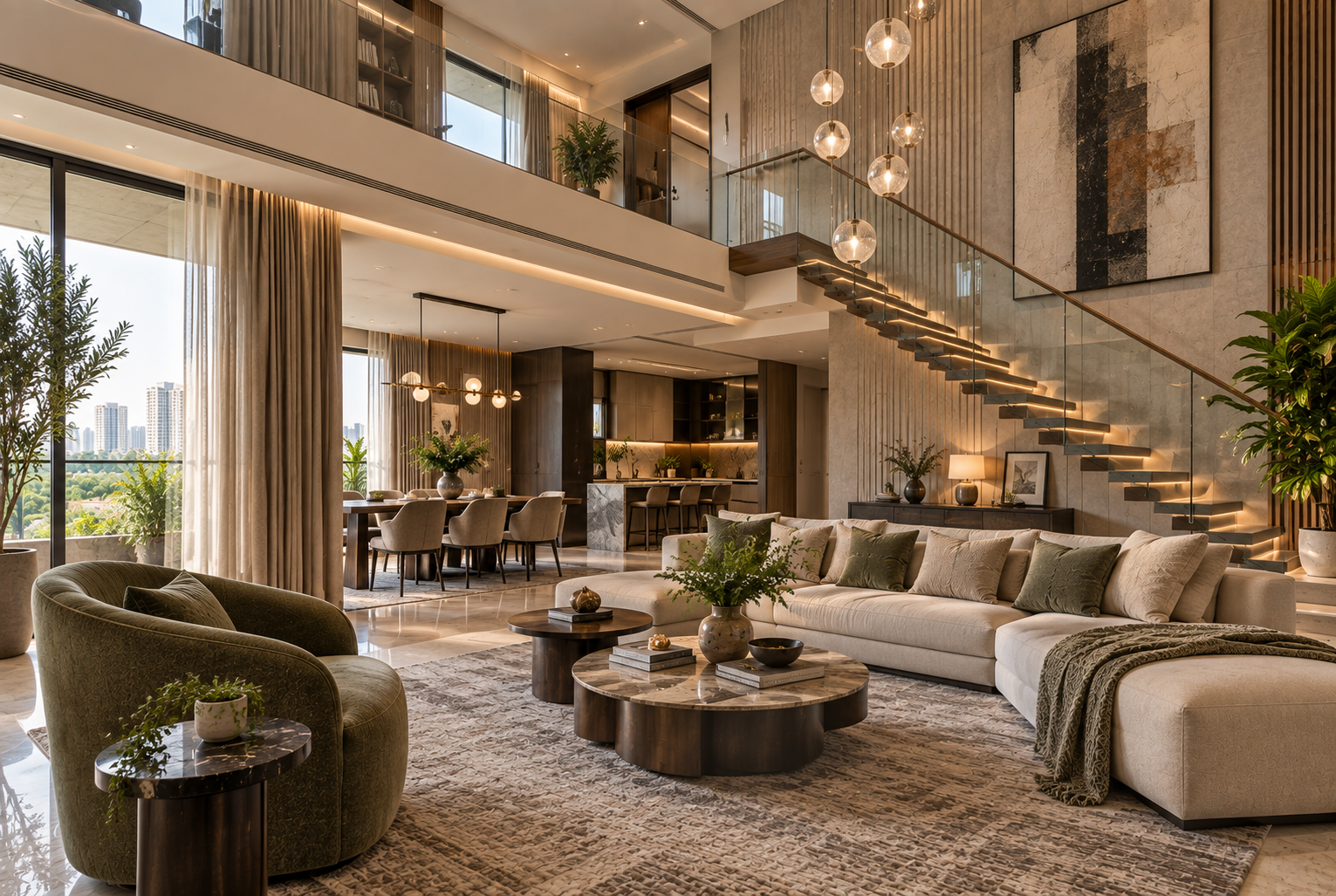
Duplex Interior Designer Gurgaon: A Complete Guide to Planning a Luxury Two-Floor Home