

Turnkey Interior Design Company in Gurgaon: What It Actually Includes
When an interior design company in Gurgaon offers a “turnkey” package, it usually means the provider takes responsibility for coordinating a defined set of design and execution activities, with the aim of delivering a ready-to-use space. The phrase sounds simple, but it does not describe one universal package. One company may include design, carpentry, electrical work, painting and installation; another may exclude appliances, loose furniture, civil repairs, taxes or even some site coordination.
Before choosing a turnkey interior design company, understand exactly what is included, who is responsible for each task, how the price is calculated and how changes are approved. This guide explains what turnkey actually means, how it differs from design-only services, what to look for in a quotation and how to reduce surprises during a home project in Gurgaon.
What does turnkey interior design mean?
In a typical turnkey arrangement, one provider coordinates several parts of the interior project under a single agreement or managed scope. This can include developing the design, preparing drawings, arranging materials, coordinating trades, managing installation and handing over the completed areas. The intention is to give the homeowner one main point of contact rather than requiring them to manage every vendor separately.
However, “turnkey” is a service description, not a guarantee that every conceivable item is included. The written proposal determines the real scope. Structural engineering, major plumbing changes, air-conditioning, appliances, loose furniture, curtains, décor, society permissions and concealed repairs may be treated differently by different providers.
The practical question is not simply, “Is this turnkey?” It is, “Which work will you deliver, which work will you coordinate, which work is excluded, and who is accountable if something goes wrong?”
What is commonly included in a turnkey interior package?
1. Brief development and space planning
The process normally begins with understanding how the household uses the home, what needs to change and what budget is available. The designer may measure the property, review existing drawings and develop layouts for furniture, storage, circulation and key activities.
Confirm how many layout options you will receive, whether site measurements are included and how many revisions are covered. If the home is occupied or has existing finishes, ask whether the assessment includes checking visible site conditions and documenting items that may affect execution.
2. Design concepts and material selection
A turnkey package may include a design direction for colours, finishes, lighting, cabinetry and furniture. Some providers offer 3D visualisations; others use drawings, reference images and material boards. Ask how many rooms and views are covered, whether revisions are included and whether the final installed materials must match an approved specification.
Words such as “premium” and “luxury” are not specifications. Materials should be described in a way that can be checked later, including product ranges, finish types, hardware, dimensions and any agreed brand or model.
3. Technical drawings and working details
Drawings help trades understand dimensions and the intended result. Depending on the project, these may include furniture layouts, reflected ceiling plans, electrical and lighting layouts, kitchen details, wardrobe elevations and custom-carpentry sections.
Ask which drawings will be issued before work begins and who checks that the details are suitable for the actual site. If a contractor is expected to work from drawings, confirm that the latest approved version is shared and that changes are recorded rather than communicated only through informal messages.
4. Procurement and material coordination
Some turnkey providers source boards, finishes, hardware, lights, sanitary fittings and other items. The proposal should explain whether the provider purchases materials directly, recommends vendors for you to pay, or coordinates purchases made by the homeowner.
Ask how product substitutions are handled, who approves samples and how shortages or damaged deliveries are resolved. Clarify whether transport, unloading, storage and installation are included. These details can affect both the final price and the schedule.
5. On-site execution
Depending on the agreed scope, execution can cover carpentry, painting, false ceilings, selected electrical work, flooring, wall finishes, kitchen installation and other trades. Do not assume every item is included just because the provider uses the turnkey label.
Request a work schedule and a trade-by-trade scope. For example, “electrical work” should clarify whether it covers new wiring, conduits, chasing, switches, fittings, testing and patching after the work. “Kitchen” should clarify whether it means cabinets only or also countertop, sink, tap, backsplash, appliances and installation.
6. Coordination and quality checks
A major reason homeowners consider turnkey service is to reduce the burden of managing several trades. Ask who coordinates the daily sequence, checks measurements, tracks deliveries, resolves clashes and communicates progress. Confirm how often site visits happen and whether a dedicated project lead will be assigned.
Coordination is not the same as unlimited supervision. The contract should state the level of site involvement, reporting frequency and process for raising problems. Also clarify which party is responsible for workmanship and which warranties are provided by product manufacturers.
7. Snagging and handover
Before final handover, the provider and homeowner should inspect the completed work and list outstanding defects or adjustments. A useful handover includes a written snag list, agreed completion dates for corrections, operating instructions where relevant, product and warranty details, and copies of final drawings or specifications that were promised in the scope.
Ask whether final payment depends on a defined handover stage and how unresolved items are treated. Avoid relying on a verbal promise that minor defects will be fixed “later” without a documented process.
What may not be included in a turnkey package?
Exclusions vary, so request them in writing before comparing prices. Items that may sit outside a standard package include:
- Structural changes, engineering calculations or specialist approvals.
- Major plumbing changes, waterproofing repairs or concealed service defects.
- Air-conditioning equipment, ducting or other specialist systems.
- Kitchen appliances, televisions and other electronics.
- Loose furniture, mattresses, curtains, rugs, art and decorative accessories.
- Society permissions, deposits, lift bookings and building-related charges.
- Debris removal, transport, floor protection and unusual lifting requirements.
- Temporary accommodation, storage or costs associated with living elsewhere during the work.
- Additional work discovered after demolition or removal of existing finishes.
- Taxes or third-party charges, if not clearly included in the quotation.
These are not necessarily unreasonable exclusions. The important thing is to know about them before work begins and understand how they will be priced if you need them.
Turnkey versus design-only versus design and supervision
| Service model | Typical responsibility | What you need to manage |
|---|---|---|
| Design only | Layouts, concepts, specifications and agreed drawings | Contractors, purchasing, site sequence, workmanship and delivery coordination unless separately arranged |
| Design plus supervision | Design and scheduled site reviews, with a defined advisory role | Daily execution and contractor obligations may remain with you or the appointed contractor |
| Turnkey or managed execution | Several design and execution activities under a defined package | Client approvals, timely decisions, excluded items and any responsibilities retained by the homeowner |
The most suitable model depends on the project and the time you can give it. A design-only package may suit a focused room refresh when you already have reliable contractors. A turnkey arrangement may be more useful for a multi-room project if you want one provider to coordinate several workstreams. Neither model is automatically better; the written scope and the provider’s actual capacity matter.
If you are still deciding how much design support you need, review interior design consulting to understand the planning stage before committing to execution.
How is turnkey interior design priced in Gurgaon?
There is no single reliable turnkey price for every Gurgaon home. The cost depends on property size and condition, the number of rooms, the amount of custom carpentry, material specifications, the extent of civil or services work, the furniture and appliances required, and the level of coordination included.
Some providers price a defined package, others itemise materials and labour, and some use a per-square-foot approach for selected scope. A per-square-foot figure is meaningful only when you know the measurement basis and exactly what is included. Two packages quoted at the same rate can be very different if one includes kitchen hardware, wardrobes, lighting and installation while the other does not.
Ask for a cost breakdown
Request separate lines for design, civil work, electrical work, ceilings, painting, carpentry, kitchen, wardrobes, furniture, materials, labour, transport, installation, project coordination and taxes where applicable. Not every category will apply to every home, but the quote should make the relevant ones visible.
Ask the provider to mark fixed amounts, provisional allowances and exclusions. If a product has not been selected or the site condition is unknown, the amount may need to remain provisional until the details are confirmed. A provisional amount should explain how the final charge will be calculated.
Compare like for like
Give every shortlisted company the same brief and request the same deliverables. Compare material specifications, quantities, brands, hardware, drawings, revision limits, site visits, payment terms, timeline and handover support. If one quote is much lower, ask what has been left out or specified differently.
For a step-by-step method, read how to get an accurate interior design quote in Gurgaon. A transparent comparison is more useful than choosing a provider based on a headline package price.
Questions to ask before hiring a turnkey interior design company
- What exactly is included? Ask for a room-by-room and trade-by-trade scope.
- What is excluded? Request a written list, including appliances, loose furniture, permissions, debris and taxes.
- Who will manage my project? Meet the person responsible for coordination and confirm their availability.
- Who performs the work? Ask whether trades are employees, subcontractors or third-party vendors, and who is accountable for their work.
- What drawings will I receive? Confirm the technical documents, specifications and revision limits.
- How are materials approved? Agree how samples, brands, substitutions and product changes will be documented.
- How are changes priced? Require written approval of additional costs and schedule impacts before work proceeds.
- How often will the site be checked? Get the expected visit frequency and reporting process in writing.
- What is the payment schedule? Tie instalments to defined deliverables or stages and clarify advances for custom orders.
- How are delays handled? Ask about material lead times, homeowner approvals, site dependencies and how schedule changes are communicated.
- What happens at handover? Confirm snagging, defect correction, final documentation and warranty responsibilities.
- Can I speak with recent clients? Ask about budget changes, communication, workmanship and how issues were resolved.
Gurgaon-specific details to plan for
Gurgaon includes high-rise apartments, builder floors, villas and independent homes, each with different practical constraints. In an apartment, society rules may govern working hours, lift usage, debris movement, protection of common areas and contractor access. Ask who will handle submissions, bookings and any related charges.
In a builder floor or villa, the scope may involve more extensive civil work, several levels, outdoor areas or changes to existing services. Older properties can reveal uneven surfaces, dampness, deteriorated wiring or plumbing issues after removal of finishes. These should be inspected where possible and handled through a documented variation process if they fall outside the agreed scope.
Do not assume a turnkey interior provider is responsible for structural design or building approvals unless this is explicitly agreed and appropriately qualified professionals are involved. If structural changes are proposed, seek the required specialist advice and approvals before work begins.
Also consider how the work will affect daily life. If you plan to stay in the home during renovation, ask whether the work can be phased, which facilities will be unavailable and how dust and access will be managed. If you need to move out, include temporary accommodation and storage in your own budget if they are not part of the package.
How to spot a weak turnkey proposal
- The company promises that “everything is included” but cannot provide a detailed scope.
- Materials are described only as standard, premium or luxury without product specifications.
- There is no named project lead or clear process for communication.
- The quote has no distinction between fixed costs, provisional amounts and exclusions.
- Payment terms require large sums without clear deliverables or protections.
- Changes can be made verbally without updated cost and schedule records.
- The provider cannot explain who is responsible for workmanship, defects and product warranties.
- The proposed completion date ignores approvals, manufacturing and delivery lead times.
- Recent projects or client references cannot be provided or explained.
A polished presentation is not a substitute for an executable scope. Ask for clarification before paying an advance, and make sure important answers appear in the signed agreement.
A practical checklist before signing
- Final floor plan and room list confirmed.
- Design deliverables and revision limits listed.
- Material and hardware specifications documented.
- Work categories and quantities itemised where practical.
- Exclusions, taxes and provisional sums identified.
- Project lead, site-visit schedule and reporting process confirmed.
- Payment milestones and cancellation terms written down.
- Timeline, lead times and client approval deadlines documented.
- Change-order process agreed.
- Handover, snagging and warranty responsibilities defined.
Frequently asked questions
Does turnkey mean I do not have to make any decisions?
No. The provider may coordinate the work, but you will still need to approve the design, materials, finishes, budget and any changes. Timely decisions help prevent avoidable delays.
Does a turnkey package include furniture and appliances?
Not necessarily. Some packages include selected furniture or appliances, while others cover fixed interiors only. Check the itemised scope and product specifications before signing.
Is turnkey interior design more expensive than hiring separate contractors?
It depends on the scope, materials, coordination needs and how the alternatives are managed. A turnkey package may charge for project coordination, while separate contractors can require more of your time and create additional coordination responsibilities. Compare total scope and risk, not only the initial price.
Can I change materials after the contract is signed?
Usually this can be discussed, but the change may affect cost, availability and schedule. Ask for written confirmation of the price difference and timeline before approving the substitution.
Who is responsible for defects after handover?
Responsibility depends on the contract and the type of defect. Workmanship, supplied products and manufacturer warranties may be handled differently. Get the reporting procedure, coverage and time limits in writing.
How can I tell whether a turnkey quote is complete?
Check that it lists the work by room or trade, identifies materials and quantities where practical, separates included items from exclusions, explains provisional costs and states the payment and change-control process. Ask the provider to clarify any vague phrase before signing.
Choose the scope before you choose the package
A turnkey interior design company can make a home project easier to coordinate when the provider has a clear process and accepts responsibility for the agreed work. The label alone does not tell you how much is included. Your protection comes from a detailed scope, defined materials, realistic scheduling, written change approvals and a clear handover process.
Before you commit, compare two or three proposals using the same brief, check completed projects and speak with recent clients where possible. Make sure the person who sells the project is clear about who will deliver it. If you need help defining your brief, begin with interior design consulting, or consider restyling services if you want to refresh a space without undertaking a full renovation.


Related Posts
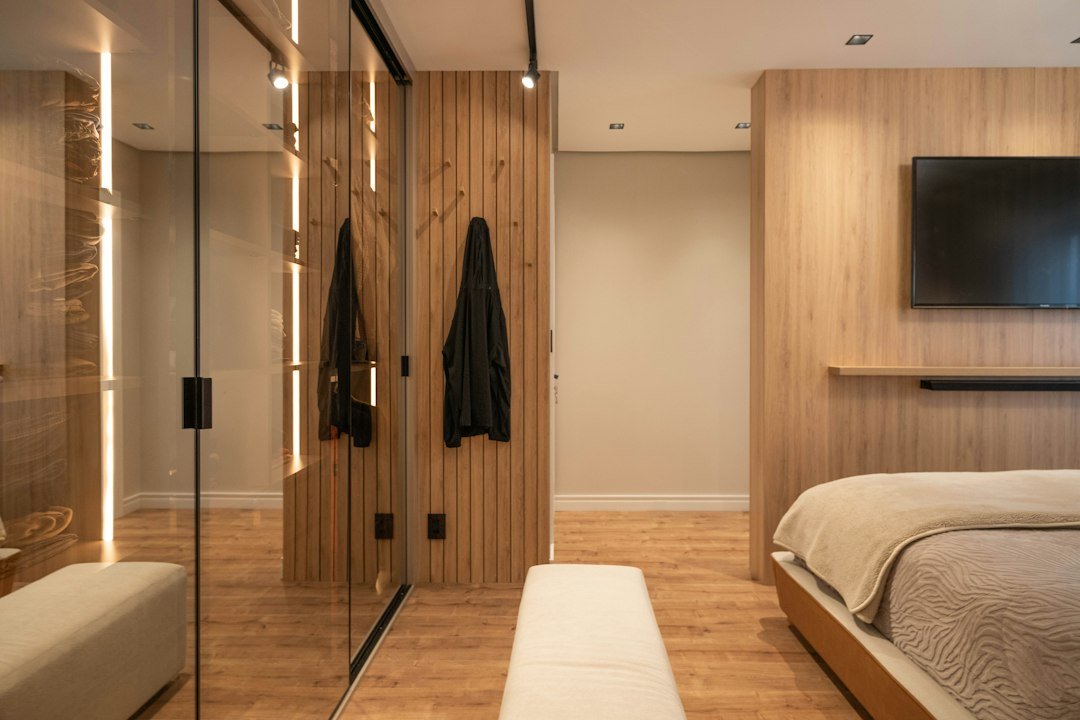
Wardrobe & Storage Design in Gurgaon: Costs, Materials and Planning Guide

Home Office Interior Design in Gurgaon: Smart Ideas for Apartments
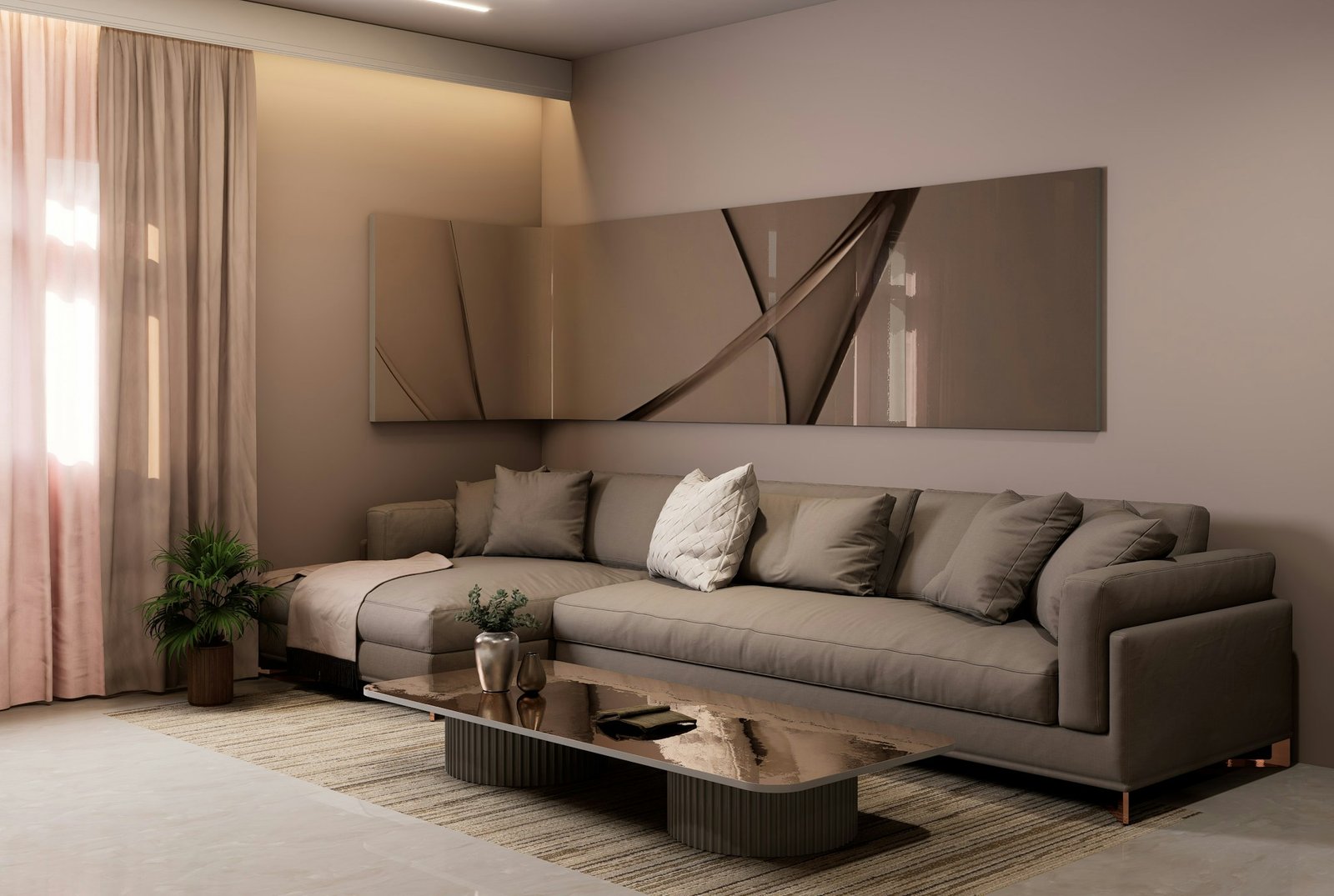
West-Facing Flat Interior Design in Gurgaon: Practical Ways to Reduce Heat
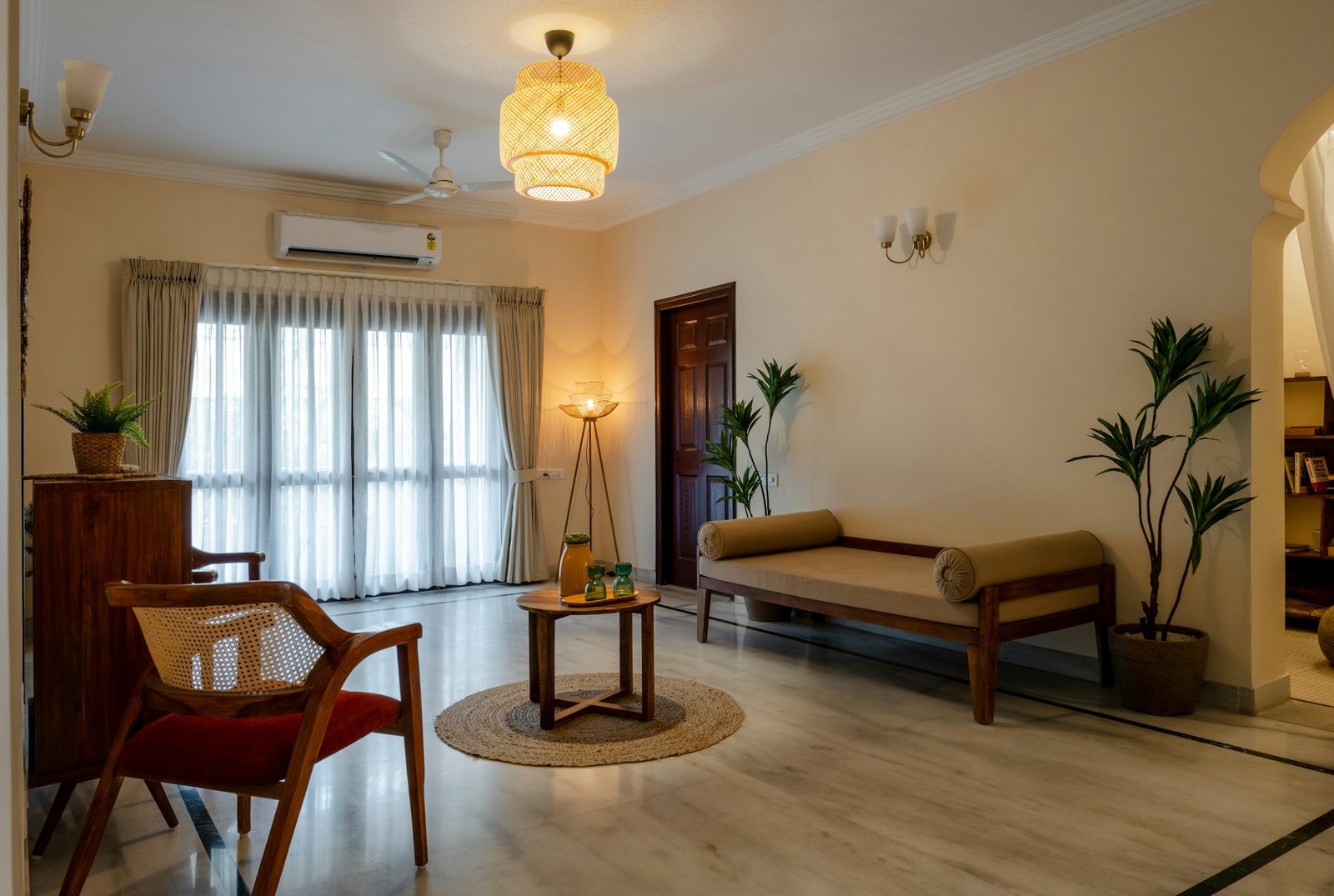
Rental Flat Interior Design in Gurgaon: Deposit-Safe Ideas That Work
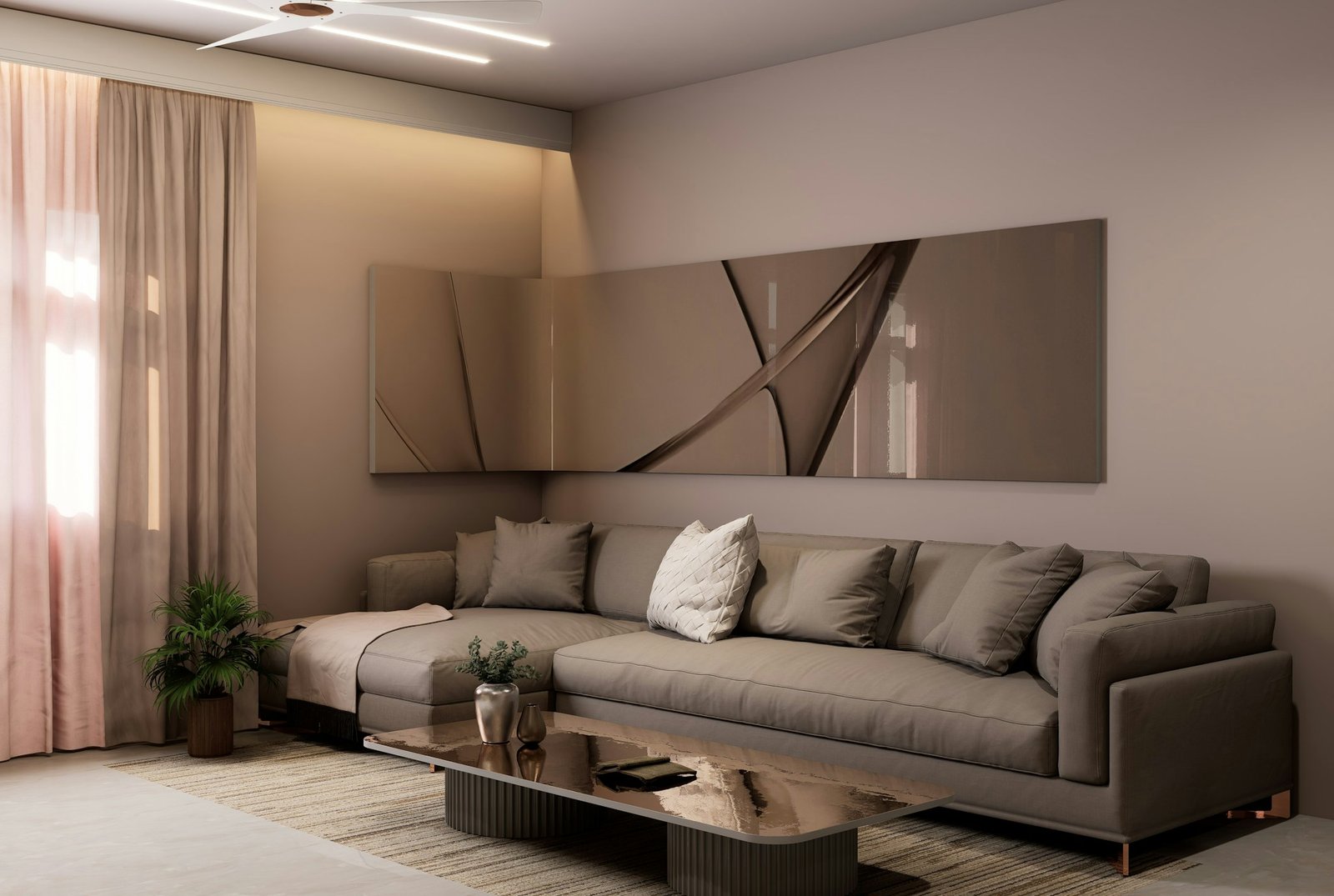
2BHK Flat Interior Design Ideas in Gurgaon: Layout, Storage & Budget

How Long Does a Full Home Renovation Take in Gurgaon? Realistic Timeline

How to Get an Accurate Interior Design Quote in Gurgaon: Avoid Hidden Costs

Interior Design Firm vs Freelance Designer in Gurgaon: Pros, Cons & Cost
Best Time of Year to Start Your Home Renovation in Gurgaon

Interior Design Warranty & After-Service in Gurgaon: What to Ask For

Balcony Garden Design in Gurgaon Apartments: Plants, Layout & Weatherproofing

Farmhouse Interior Designer Gurgaon: A Complete Guide to Luxury Farmhouse Interiors

Duplex Interior Designer Gurgaon: A Complete Guide to Planning a Luxury Two-Floor Home