
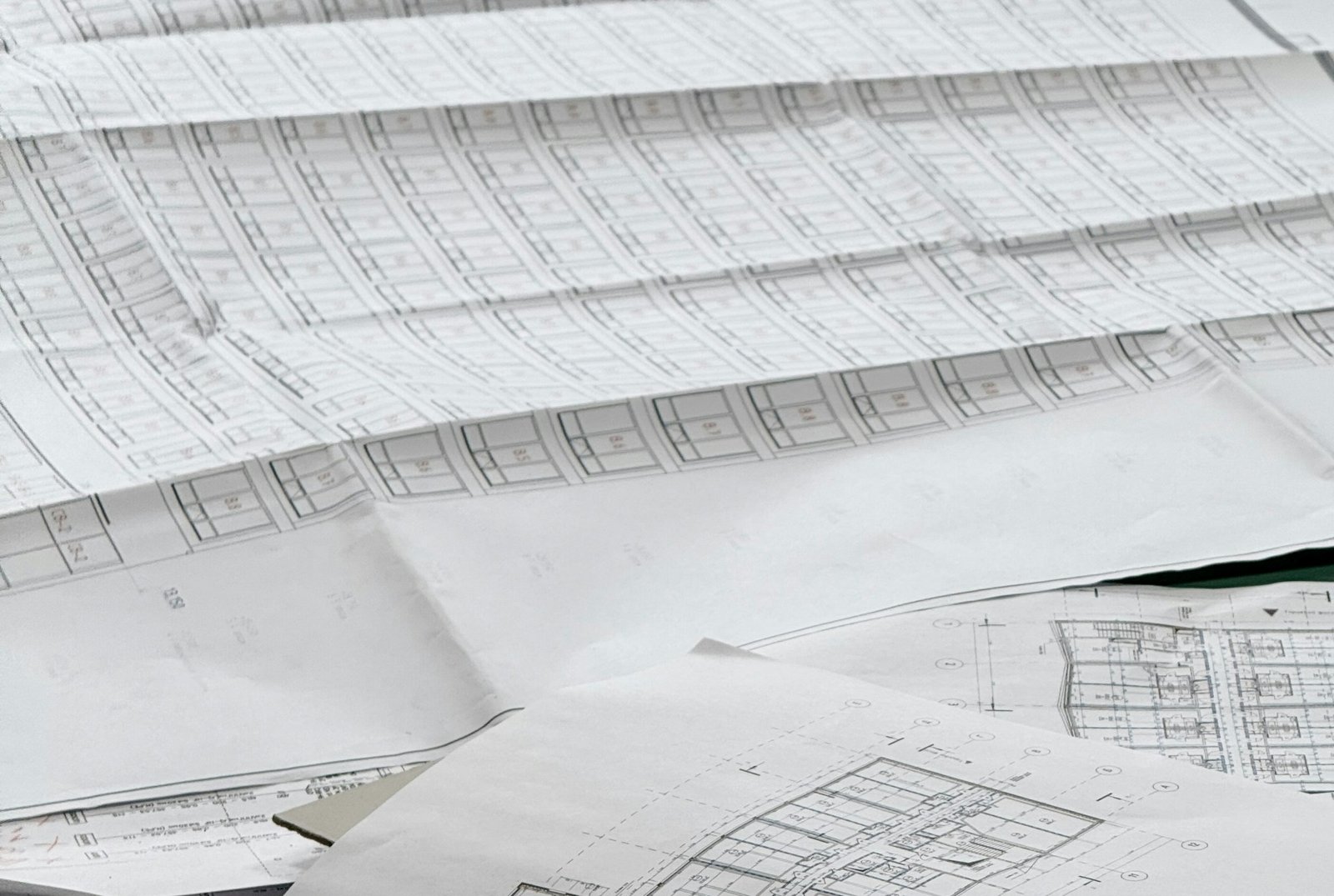
How to Get an Accurate Interior Design Quote in Gurgaon: Avoid Hidden Costs
An interior design quotation is only useful when you can understand what you are paying for. Two proposals for the same Gurgaon home can have very different totals because they may include different materials, quantities, drawings, labour, site supervision and exclusions. A low headline figure can look attractive, but if it leaves out electrical changes, hardware, finishing or installation, the final spend may be much higher.
The safest way to compare quotes is to give every designer or contractor the same brief, ask for itemised scope and specifications, and document how changes will be priced. This guide explains how to get an accurate interior design quote in Gurgaon, spot hidden costs and compare proposals before committing your budget.
Why interior design quotes can vary so much
Interior work is not one standard product. A quotation may cover design advice only, a set of technical drawings, supply and installation of selected items, or a full home renovation. The property’s condition also matters. A newly handed-over apartment may need a different scope from an older lived-in home with worn wiring, uneven flooring or plumbing concerns.
Quotes can vary because of:
- Different scope: One proposal includes design, procurement and supervision; another includes only drawings or selected carpentry.
- Different specifications: Board type, finish, laminate grade, hardware brand, glass thickness and lighting products affect price.
- Different quantities: Wardrobe length, kitchen storage, ceiling area, number of electrical points and surface preparation may not be measured consistently.
- Different site assumptions: Some quotes assume walls, floors and services are ready; others allow for repair or removal work.
- Different management levels: Site visits, coordination, delivery checks and snagging can be included, limited or charged separately.
- Different risk allowances: A provider may include contingency or provisional amounts, while another may leave unknown conditions out of the total.
For that reason, do not compare the final number until you know what each number represents.
Step 1: Prepare a clear brief before requesting a quote
A detailed brief makes estimates more accurate and reduces assumptions. You do not need to know every technical term, but you should explain how you use the home and what you want to change.
Share the basic property details
- Property type, approximate area and number of bedrooms.
- Whether it is a new possession, resale home or occupied property.
- Current floor plan, if available, and any known site constraints.
- Rooms included in the project and rooms that will remain untouched.
- Whether civil, plumbing, electrical or structural work is being considered.
- Target start date and any deadline that affects move-in or occupancy.
Describe the expected outcome
List priorities rather than saying only “modern” or “luxury.” For example, you may need more closed storage, a kitchen that accommodates specific appliances, child-friendly finishes, a work-from-home desk or improved lighting. Reference images can help communicate style, but note which elements you actually want to reproduce and which are simply inspiration.
Set a realistic budget range
Tell the provider the budget you want the scope to fit, and clarify whether that figure includes taxes, appliances, loose furniture, decor and temporary accommodation. If you are not sure of the total, ask for a phased proposal or options at different specification levels. Hiding the budget can lead to a proposal that is impressive but irrelevant to your needs.
Step 2: Ask for an itemised quotation
A single line that says “complete interiors” does not allow a meaningful comparison. Ask for the work to be divided into categories and, where practical, quantities, rates and specifications. Depending on the project, useful sections include:
| Quotation section | What to check |
|---|---|
| Design fee | Rooms covered, drawings, visualisations, revisions and site meetings |
| Demolition and removal | What is being dismantled, debris handling and disposal |
| Civil and surface work | Repair, levelling, waterproofing, plastering and tile work where required |
| Electrical and lighting | Point count, wiring assumptions, fittings, installation and testing |
| Ceilings and painting | Measured area, finish system, preparation and number of coats |
| Kitchen and wardrobes | Dimensions, carcass material, finish, internal layout, hardware and installation |
| Furniture and decor | Items supplied, dimensions, material, delivery and assembly |
| Project coordination | Site visit frequency, reporting, vendor coordination and snagging |
| Taxes and logistics | Applicable taxes, transport, lifting, packaging and delivery charges |
Not every project needs every category. The point is to make sure each quote includes the same relevant items and clearly marks what is excluded.
Step 3: Verify materials and product specifications
Words such as “premium,” “branded” or “high quality” are subjective. Ask for a material schedule that identifies what will actually be supplied. For custom cabinetry, check the carcass material and thickness, back panel, shutter construction, finish, edge banding, hinges, drawer channels, handles and any accessories. Ask whether the price includes cutting, installation and adjustments after fitting.
For flooring and wall finishes, clarify the product type, size, finish, installation method, surface preparation and wastage allowance. For lighting, identify the fittings, colour temperature where relevant, drivers and installation. For paint, ask which product range is proposed, what preparation is included and how many coats are allowed.
Where a specific brand or model matters, have it written into the quote. If substitutions are allowed, establish who approves them and whether a price difference will be credited or charged. Keep product codes, samples or approved reference photographs with the final specification.
Step 4: Check quantities and measurement assumptions
Even a detailed rate card can produce a misleading total if the quantities differ. Ask how measurements were taken and whether the quotation is based on a site visit or preliminary floor plan. Cabinet lengths, ceiling areas, tile quantities and electrical points should be based on a documented method.
Check whether the provider has allowed for material wastage, cutting, corner pieces, fillers, skirting and finishing details. In a kitchen, for example, the visible cabinet run may not capture every end panel, filler, loft unit or internal accessory. In a renovation, the measured surface may change after old finishes are removed.
For work where final quantities cannot be confirmed before demolition or detailed design, ask the provider to label the amount as provisional and explain how the final bill will be calculated. Do not treat a provisional sum as a guaranteed final price.
Step 5: Identify hidden or commonly excluded costs
Hidden costs are often not secret charges; they are items that one party assumed were outside the agreed scope. The solution is to ask for exclusions before signing.
Demolition, debris and site protection
Ask who removes old cabinets, fixtures, tiles or ceilings, and who arranges debris transport and disposal. Confirm whether common areas, lifts and floors will be protected during material movement. Apartment societies may have rules about work hours, lift bookings and debris handling. Any related fees should be identified before work starts.
Electrical and plumbing changes
Moving appliances, adding sockets, relocating lights or changing plumbing can involve more than the visible fixture. Ask whether wiring, conduits, chasing, patching, testing and restoration are included. For plumbing, confirm the scope for pipes, traps, waterproofing and testing. Unknown conditions behind walls may require a documented variation.
Appliances, furniture and accessories
Check whether the quote includes appliances, sinks, taps, chimney, hob, water purifier, curtains, mattresses, loose furniture, mirrors and decorative lighting. “Kitchen included” may mean cabinets only. “Wardrobe included” may not include internal organisers or special hardware.
Delivery, transport and installation
Ask whether transport, unloading, floor lifting, assembly, installation and final adjustment are part of the quoted amount. Large items in high-rise buildings may require advance coordination. Confirm how damaged items or missed deliveries are handled.
Taxes, permissions and temporary expenses
Ask whether taxes are included or shown separately. Depending on the property and scope, society deposits, permission fees, parking, temporary storage or accommodation may also affect your total spend. Do not assume these are included in an interior package.
Repairs discovered after work begins
Older homes can reveal dampness, damaged wiring, uneven surfaces, loose plaster or plumbing problems only after finishes are removed. Ask how such discoveries will be documented, priced and approved. A reasonable quote can state that concealed conditions are excluded until inspected, but the process for handling them should be clear.
Step 6: Compare at least two or three quotes fairly
Give every shortlisted provider the same floor plan, brief, budget expectations and requested deliverables. Then build a comparison sheet with columns for scope, material specifications, quantities, fee, taxes, exclusions, schedule, payment milestones and warranty or defect handling.
If one quote is lower, ask the provider to explain the difference in writing. It may be a genuine efficiency, a different design solution or a smaller scope. If another quote is higher, ask which additional services or specifications account for the difference. Do not pressure a provider to match a number without checking whether the scope is comparable.
Look beyond the headline fee. A slightly higher quote may include detailed drawings, more site visits, better-defined materials and a clear snagging process. Conversely, a high price is not proof of better workmanship. Evaluate the deliverables, experience, communication and contract terms together.
Step 7: Confirm design fees and revision limits
Some projects separate design from execution; others include design within a larger package. Ask whether the design fee is credited against execution if you proceed, whether it is refundable and what happens if you decide not to continue.
Check the number of concept options and revisions included. Changes made before drawings are finalised are different from changes after materials have been ordered or work has begun. Agree how additional design time will be charged and whether a revised drawing or cost sheet will be issued for every material change.
Before construction, confirm that contractors have the latest approved drawings. Informal messages can be useful for communication, but they should not replace the documented decision where a change affects dimensions, cost or safety.
Step 8: Tie payments to clear milestones
The payment schedule should match the project’s real stages and the provider’s obligations. Avoid a schedule that requires most of the money before the corresponding work, materials or deliverables are clearly defined. Equally, understand any advance needed to order made-to-measure products.
Ask for the amount and trigger for every instalment, the process for approving invoices and what evidence will be provided for completed stages. For custom items, clarify ownership, storage and cancellation terms if the project is paused. Keep payment records and written approvals for variations.
Never rely on a verbal promise that extra work will be “adjusted later.” Before it proceeds, request the change description, cost impact and any schedule impact in writing.
Step 9: Make the timeline part of the quote
A quote should give a realistic sequence, not only a final handover date. Design approvals, site preparation, material ordering, manufacturing, delivery and installation all affect the programme. Some products may have longer lead times, and a late decision can hold up several trades.
Ask what the timeline assumes, which decisions you must make by specific dates and how delays are communicated. Clarify whether the provider can start before all specifications are approved and what risks that creates. For a lived-in home or a move-in deadline, ask which areas can be completed in phases and what facilities may be unavailable during work.
For a broader planning overview, read the guide to choosing the best time to start a home renovation in Gurgaon.
Step 10: Put scope, exclusions and change control in writing
The signed proposal should identify the parties, property, scope, specifications, total fee, taxes, payment schedule, estimated timeline, revision limits and exclusions. Attach drawings, material schedules and the final itemised quotation where possible. If a document refers to “standard hardware” or “similar product,” define the standard or approval process.
Include a simple change-control procedure. Before extra work starts, the provider should explain what is changing, why it is needed, how much it costs and whether it affects completion. Both sides should approve the change in writing. This protects the homeowner and the provider from misunderstandings.
Also clarify how defects are reported, who is responsible for correcting them and what warranty applies to workmanship versus products supplied by manufacturers. These are separate responsibilities and should not be blended into a vague promise of after-service.
Red flags in an interior design quotation
- A single lump sum with no meaningful scope or exclusions.
- Materials described only as “premium” or “best quality.”
- Quantities that are not based on measurements or are impossible to verify.
- Unclear taxes, delivery fees, debris removal or installation charges.
- A guaranteed final cost despite uninspected site conditions and unspecified products.
- No written process for changes, approvals or delays.
- Payment demands that are not linked to clear deliverables or milestones.
- Refusal to provide a revised quote when the scope changes.
Any one of these issues is a reason to ask for clarification. If the provider cannot explain the quote clearly before work starts, it may be difficult to resolve disputes later.
A simple checklist before you approve a quote
- Have all rooms and work items been listed?
- Are materials, brands, models and finish grades defined?
- Are quantities, rates and provisional items explained?
- Are design drawings, revisions and site visits included clearly?
- Are appliances, furniture, transport, installation and taxes addressed?
- Are exclusions and concealed-condition rules written down?
- Are payment milestones and cancellation terms clear?
- Is the timeline realistic and dependent decisions identified?
- Is there a written change-approval process?
- Are handover, snagging and warranty responsibilities specified?
Frequently asked questions
Can I get an accurate interior design quote without a site visit?
A preliminary estimate may be possible from a floor plan and brief, but a more reliable quotation generally needs verified measurements and an understanding of the existing condition. Treat early numbers as estimates until the scope and site assumptions are confirmed.
Why is one interior design quote much cheaper than another?
Compare scope, quantities, specifications, site support and exclusions. The cheaper quote may be efficient, or it may leave out items that the other provider has included. Ask both to price the same list of deliverables.
Should the quotation include GST?
Ask the provider to state clearly whether applicable taxes are included or additional, and request a proper invoice where applicable. Do not assume the headline price is tax-inclusive.
What is a provisional amount?
A provisional amount is an allowance for work or products whose final scope or cost is not yet known. Ask what it covers, how actual cost will be calculated and whether supporting invoices or measurements will be provided.
Can the final cost change after I approve the quote?
It can change if you approve additional work, select different materials, change quantities or uncover concealed conditions that were excluded. The agreement should explain how variations are documented and approved before the extra cost is incurred.
Should I choose the lowest quotation?
Not automatically. Choose the proposal that best matches your priorities and gives you a transparent scope, credible schedule, suitable materials and clear accountability. Price matters, but it should be evaluated alongside risk and deliverables.
Get clarity before you commit
An accurate interior design quote starts with a clear brief and ends with a written agreement that both sides understand. Ask for itemised costs, verify specifications, check quantities, expose exclusions and agree how changes will be approved. These steps make it easier to compare providers fairly and reduce avoidable surprises during execution.
If you are still defining your project, explore interior design consulting to understand the planning support you may need, or review restyling services if your home needs a lighter update rather than a full renovation. The right scope is the starting point for a realistic budget.


Related Posts
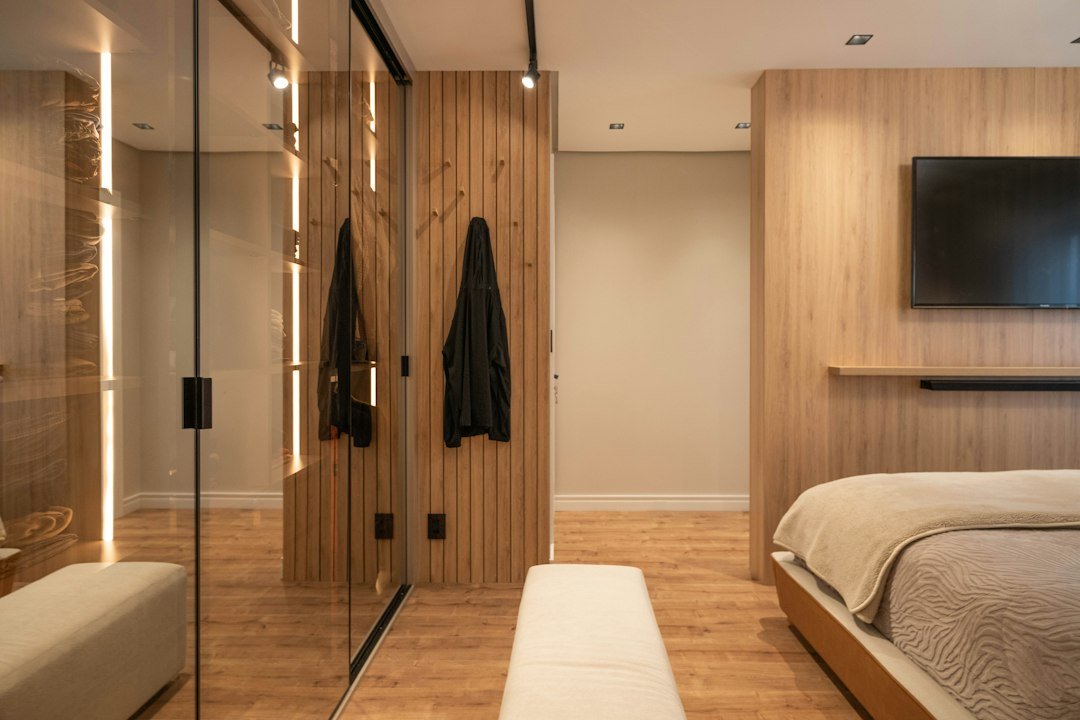
Wardrobe & Storage Design in Gurgaon: Costs, Materials and Planning Guide

Home Office Interior Design in Gurgaon: Smart Ideas for Apartments
West-Facing Flat Interior Design in Gurgaon: Practical Ways to Reduce Heat
Rental Flat Interior Design in Gurgaon: Deposit-Safe Ideas That Work
2BHK Flat Interior Design Ideas in Gurgaon: Layout, Storage & Budget

How Long Does a Full Home Renovation Take in Gurgaon? Realistic Timeline
Turnkey Interior Design Company in Gurgaon: What It Actually Includes

Interior Design Firm vs Freelance Designer in Gurgaon: Pros, Cons & Cost

Best Time of Year to Start Your Home Renovation in Gurgaon

Interior Design Warranty & After-Service in Gurgaon: What to Ask For

Balcony Garden Design in Gurgaon Apartments: Plants, Layout & Weatherproofing

Farmhouse Interior Designer Gurgaon: A Complete Guide to Luxury Farmhouse Interiors

Duplex Interior Designer Gurgaon: A Complete Guide to Planning a Luxury Two-Floor Home