How to Choose Eco-Friendly Furniture Brands in India | homeworkdesigns
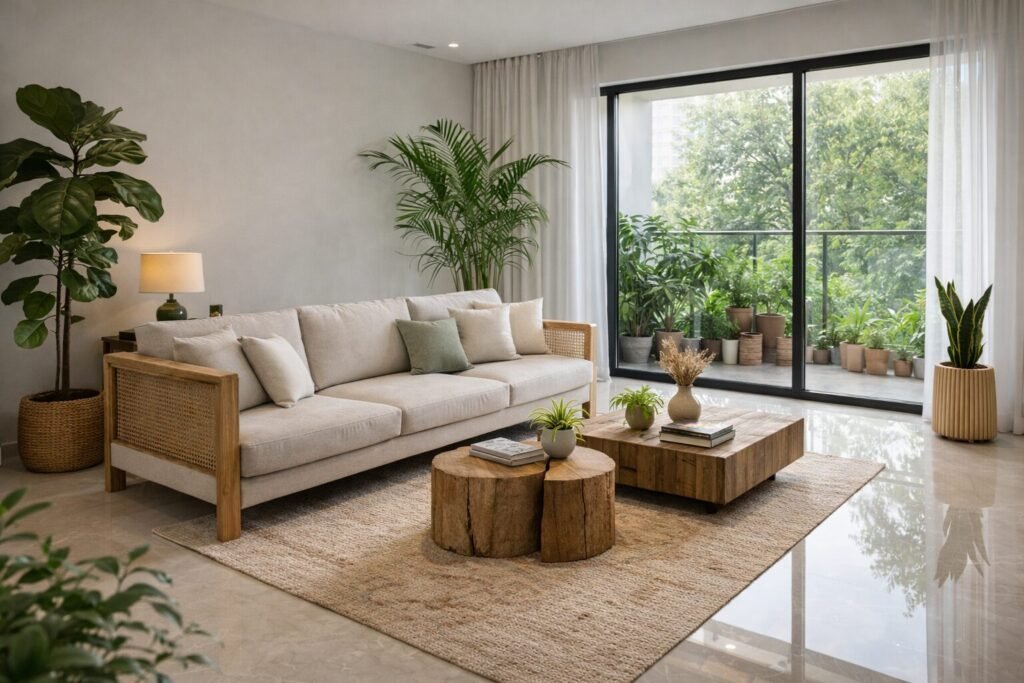
Choosing furniture for your home is no longer just about finding a sofa that fits the corner or a dining table that matches the walls. In 2026, our homes have become sanctuaries where wellness, ethics, and aesthetics intersect. As we become more conscious of our environmental footprint, the question isn’t just “Does it look good?” but “Where did it come from, and what is it doing to my air quality?”
At homeworkdesigns, we believe that a beautiful home should never come at the cost of a beautiful planet. Choosing eco-friendly furniture brands for your home interiors in India is a journey toward creating a space that breathes, lasts, and tells a story of responsibility.
This guide will walk you through everything you need to know about selecting sustainable pieces, overcoming common buyer pain points, and why a professional touch makes all the difference in achieving “Sustainable Luxury.”
Why Eco-Friendly Furniture is the Future of Indian Homes
For decades, the “fast furniture” trend dominated the market—inexpensive, mass-produced pieces made of particle board and synthetic glues. However, Indian homeowners are now facing the consequences: sagging shelves, peeling laminates, and a lingering chemical smell known as “off-gassing.”
The Hidden Impact of Traditional Furniture
Traditional furniture often relies on:
- Formaldehyde-based glues: Which release Volatile Organic Compounds (VOCs) into your living room.
- Deforestation: Sourcing wood from unmanaged forests.
- Short Lifespans: Creating a cycle of waste where furniture ends up in landfills every 5–7 years.
By choosing eco-friendly brands, you aren’t just “buying green”—you are investing in longevity, health, and heritage.
1. Master the Materials: What to Look For
When you begin your search, the material is your first point of inspection. Here are the stars of the sustainable world:
Reclaimed Wood
Reclaimed wood is seasoned, sturdy, and full of character. It is sourced from old colonial bungalows, discarded railway sleepers, or even antique shipping crates.
- The Benefit: It prevents new trees from being felled and brings a rustic, “soulful” vibe to modern Indian apartments.
Bamboo and Cane
Bamboo is nature’s miracle worker. It grows up to three feet in 24 hours, making it incredibly renewable.
- The Benefit: It’s lightweight, naturally resistant to pests, and fits perfectly into the “Japandi” or “Bohemian” styles currently trending in cities like Delhi, Mumbai, and Bangalore.
Recycled Metal and Glass
Industrial chic meets sustainability. Using recycled steel or aluminum reduces energy consumption by up to 95% compared to virgin metal production.
Organic Fabrics
Look for upholstery made from Jute, Hemp, or Organic Cotton. These are biodegradable and free from the toxic dyes that often cause skin irritation or allergies.
2. Deciphering the Labels: Certifications Matter
One of the biggest challenges for Indian buyers is “greenwashing”—when a brand claims to be eco-friendly but lacks the evidence. To ensure you are making a genuine purchase, look for these gold standards:
- FSC (Forest Stewardship Council): This ensures the wood comes from responsibly managed forests that provide environmental, social, and economic benefits.
- GREENGUARD Gold: This certification is crucial for indoor air quality. It guarantees the piece has low chemical emissions, making it safe for homes with children and the elderly.
- OEKO-TEX: Look for this on cushions and curtains to ensure no harmful substances were used during textile production.
At homeworkdesigns, our Interior Design Consulting process includes a rigorous vetting of vendors to ensure every piece we recommend meets these global benchmarks.
3. Addressing the “Sustainable Price Tag” Myth
A common pain point for homeowners is the perceived high cost of eco-friendly furniture. While the initial investment might be 10-15% higher than mass-produced alternatives, the long-term value is incomparable.
| Feature | Fast Furniture | Eco-Friendly Furniture |
| Durability | 3–5 Years | 20+ Years (Heirloom Quality) |
| Maintenance | Difficult to repair | Can be sanded, polished, and renewed |
| Health Impact | High VOC emissions | Low/Zero VOCs; Hypoallergenic |
| Resale Value | Negligible | High (Antique potential) |
Pro Tip: If you’re on a budget, consider our Restyling Services. We can help you upcycle your existing quality pieces, giving them a modern finish without the environmental cost of a new purchase.
4. The Power of Color and Finish
Eco-friendly design isn’t just about the structure; it’s about the skin. Most standard paints and varnishes contain lead and toxins. When selecting a brand, ask about their finishing process.
Our Color Consulting team at homeworkdesigns always prioritizes:
- Water-based lacquers: Which offer a beautiful sheen without the toxic fumes.
- Natural Oils and Waxes: Such as linseed or beeswax, which nourish the wood and are safe enough to touch.
- Low-VOC Paints: Ensuring your walls complement your sustainable furniture without compromising air quality.
5. Integrating Sustainability with Professional Help
Choosing the right pieces can be overwhelming. Do they fit the scale of the room? Does the bamboo chair clash with the marble floor?
This is where a professional studio makes the difference. Beyond just picking furniture, we look at the “holistic home.” For instance, if you have beautiful heritage floors, our Marble Polishing service can restore their natural luster using eco-friendly abrasives, avoiding the need for new, resource-heavy flooring.
By choosing homeworkdesigns, you gain access to a curated network of local artisans and sustainable brands that aren’t always available on mainstream retail sites. We bridge the gap between “green” and “gorgeous.”
Why Choose homeworkdesigns?
We don’t just design rooms; we curate lifestyles. Based in the heart of India’s design revolution, homeworkdesigns stands for Sincerity of Purpose.
Whether you need a full End-to-End Renovation or a simple Restyling, we focus on:
- Transparency: No hidden costs or “greenwashed” promises.
- Customization: Furniture designed specifically for your ergonomics and aesthetic.
- Future-Proofing: Designs that stay relevant for decades, not seasons.
Ready to transform your home into a sustainable sanctuary?
Connect with our experts at homeworkdesigns today!
Frequently Asked Questions (FAQ)
1. Is eco-friendly furniture more expensive in India?
Initially, yes. Sustainable materials like reclaimed teak or solid bamboo cost more to source and craft than engineered wood (MDF). However, because they last 4-5 times longer, they are significantly cheaper over the lifespan of the product.
2. How can I tell if a brand is truly sustainable?
Look for third-party certifications like FSC or GREENGUARD. Additionally, ask the brand about their supply chain. Truly eco-friendly brands are transparent about where their wood is harvested and who makes their furniture.
3. Can I make my existing furniture eco-friendly?
Absolutely! Through Restyling Services, you can strip away toxic old paints, sand down the wood, and apply natural, low-VOC finishes. This is the most sustainable way to “buy” new furniture.
4. Does eco-friendly furniture require more maintenance?
Not necessarily. In fact, materials like solid wood and metal are often easier to maintain because they can be repaired. A scratch on a reclaimed wood table adds character; a scratch on a laminate table often means it’s ruined.
5. Why should I hire an interior designer for this?
A designer from homeworkdesigns understands the technicalities of “Biophilic Design.” We ensure that your sustainable choices don’t just help the planet but also work harmoniously with your home’s lighting, airflow, and existing elements like marble flooring.


Related Posts
Elevate Your Sanctuary: The Ultimate Guide to the Perfect Interior Design Bed | Homeworkdesigns
Finding the Best Interior Designer in Gurgaon: Transforming Your House into a Dream Home
Flat Renovation in Gurgaon 2026: Costs, Trends & Expert Tips
How Much Does Home Renovation Cost in Gurgaon? A Real Budget Breakdown
The Art of Elevated Living: Why Choosing the Right Interior Designers for Builder Floors in Vasant Vihar Changes Everything
Marble Polishing vs. Replacement: What’s Best for Indian Homes? | homeworkdesigns
Interior Design Cost for 2BHK in Gurgaon 2026: The Ultimate Pricing & Lifestyle Guide
Transforming Your Vision into Reality: Why Choosing the Right Interior Designer and Architect Near Me Changes Everything
Interior Designers in Gurgaon: How to Compare Design Services
Top 10 Interior Designers in Gurgaon 2026 | Homework Design Studio
The Art of Living: Why Choosing the Right Interior Designer Transforms Your Life
Top Office Interior Designer in Gurgaon | homeworkdesigns | 2026 Trends
Eco-Friendly Interior Design India: Create Your Sustainable Sanctuary with homeworkdesigns
Elevate Your Business: The Definitive Guide to Choosing a Commercial Interior Designer in India
The Art of Living Close to Home: Why Finding an “Interior Designer Near Me Within 800m” Changes Everything
Hire Interior Designer in India: Transforming Spaces with homeworkdesigns
Affordable Elegance: Why homeworkdesigns Leads the Best Low Budget Interior Designers in Gurgaon
The Art of Living: Why Choosing the Right Interior Design Studio in Gurgaon is Your Best Investment in 2026
The Heart of the Home: A Guide to Designing a New Luxury Kitchen
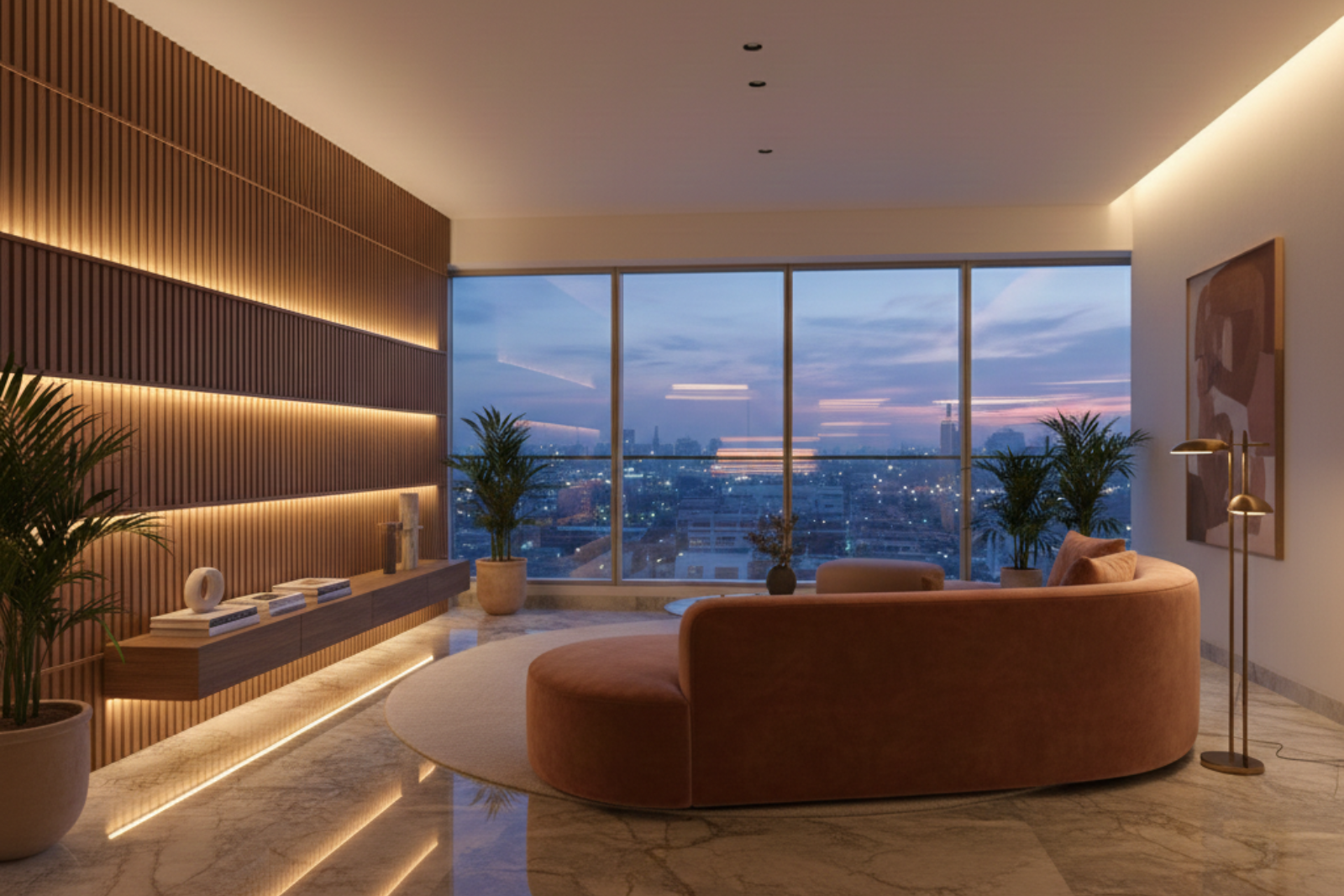
Luxury Home Interior Designers in Gurgaon | Bespoke Home Design
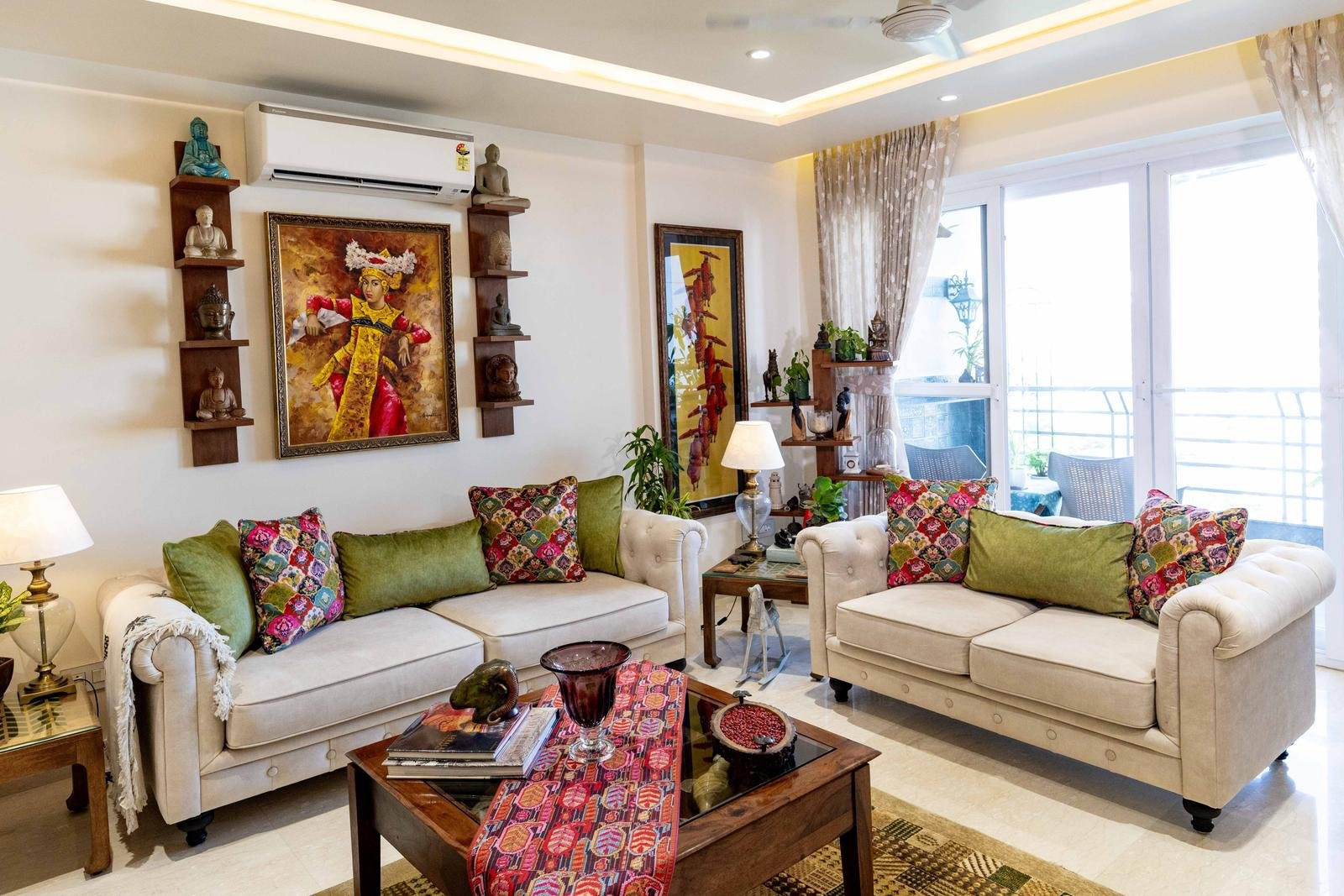
Welcome To Home Work Design Studio: Gurgaon’s Trusted Interior Design & Renovation Experts
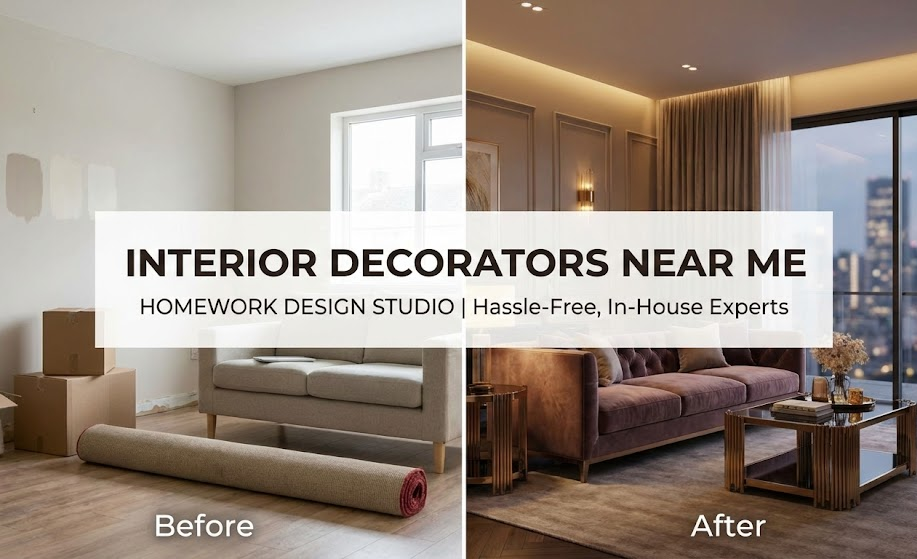
Searching for “Interior Decorators Near Me” in Gurugram? Here’s Why You Need More Than Just Proximity